





Addressing anemia in dialysis patients remains a pressing concern, but with the rise of Erythropoietin Stimulating Agents (ESAs) like Epoetin-alfa, Darbepoetin-alfa, and CERA, managing this issue has taken a positive turn. This article delves into the causes, impacts, and treatments for anemia in dialysis patients, exploring the latest trends that have caught the medical world’s attention. Addressing anemia in dialysis patients remains a pressing concern, but with the rise of Erythropoietin Stimulating Agents (ESAs) like Epoetin-alfa, Darbepoetin-alfa, and CERA, managing this issue has taken a positive turn. This article delves into the causes, impacts, and treatments for anemia in dialysis patients, exploring the latest trends that have caught the medical world’s attention.
Today, healthcare is all about personalized care, and that’s why adjusting ESA doses based on a patient’s specific characteristics is gaining traction. This helps reduce the risks of heart problems associated with higher hemoglobin levels. But ESAs are just one part of the puzzle. This article also highlights the importance of nutrition, fighting inflammation, and optimizing iron levels alongside ESA therapy. These combined efforts promise better outcomes for patients. As the medical landscape evolves, new therapies like hypoxia-inducible factor stabilizers are emerging, offering even more avenues for tackling anemia. By staying updated on these exciting developments, healthcare professionals can make a real difference in enhancing the lives of dialysis patients.
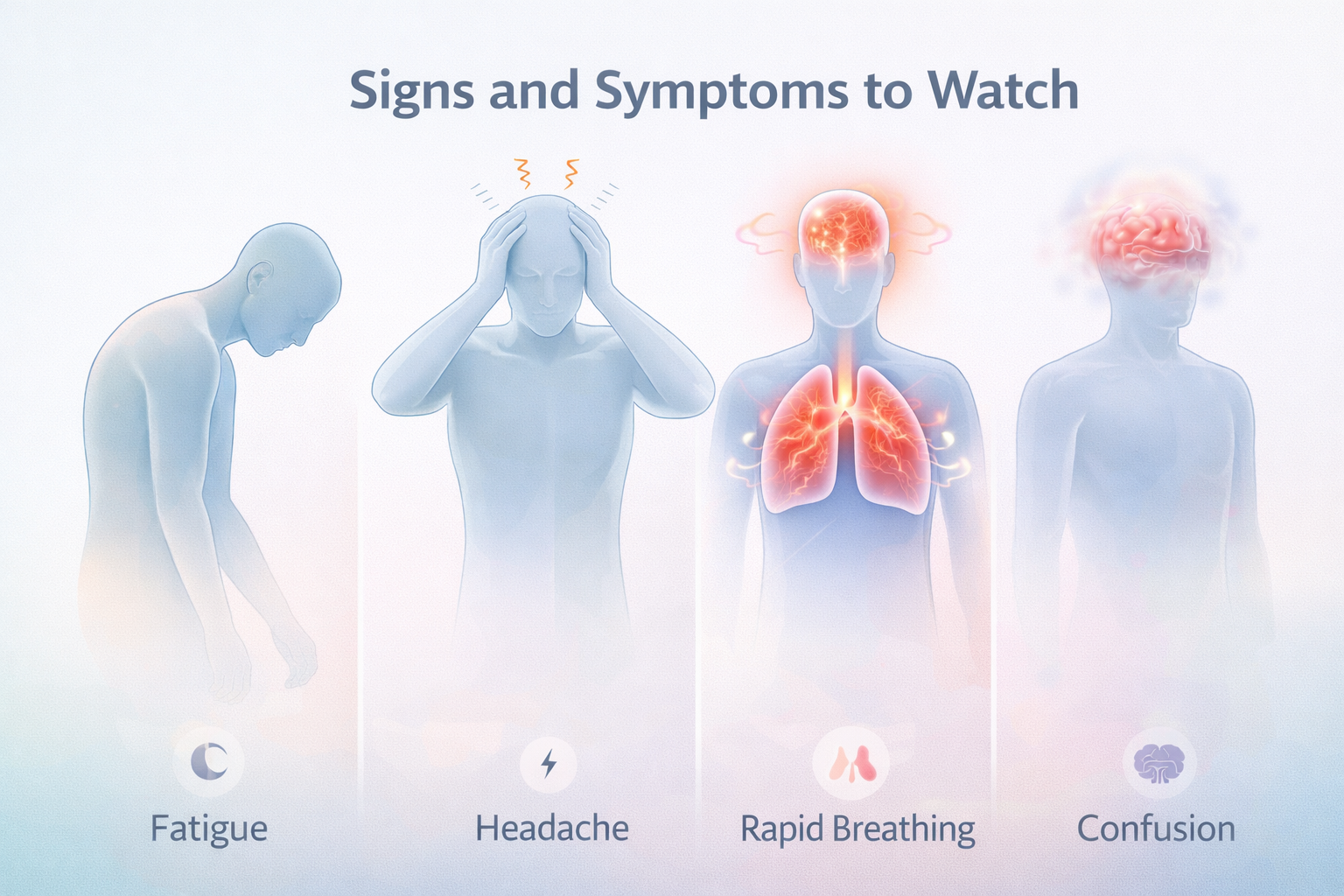
Chronic Kidney Disease (CKD) patients often experience anemia due to insufficient erythropoietin hormone synthesis. Erythropoietin is vital for red blood cell production. The telltale signs of anemia in these patients include exhaustion, breathing difficulties, lightheadedness, and sleep disturbances. Hemodialysis patients with anemia frequently exhibit low hemoglobin levels, particularly when levels fall below 10 g/dL.

Anemia places significant stress on the heart’s functionality. To compensate for reduced oxygen-carrying capacity, the heart increases its output, leading to left ventricular hypertrophy. This often results in palpitations, shortness of breath, and further complications for the patients.

ESA medications like Epoetin-alfa, Darbepoetin-alfa, and CERA have proven effective in treating anemia caused by erythropoietin insufficiency. Initiation of ESA therapy is recommended when hemoglobin levels dip below 10 g/dL. For dialysis patients, maintaining hemoglobin levels within the range of 10 to 11 g/dL is considered optimal.
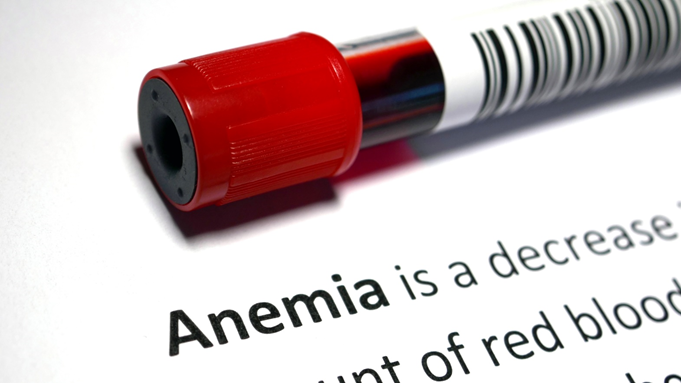
Various factors can diminish the effectiveness of ESA therapy. Iron deficiency, inflammation, infection, vitamin B12 insufficiency, and a shorter red blood cell life span are the primary contributors. Ensuring adequate levels of ferritin and iron may enhance ESA medication’s efficacy. A vitamin B12 level of less than 300 pmol/L indicates insufficiency, and addressing this deficiency may lead to reduced reliance on ESA medication.
Nutritional deficiencies or vitamin shortages can exacerbate anemia. Supplementing with vitamin B12, folate (Vitamin B9), and amino acids can help alleviate these issues. Additionally, proper dialysis is crucial, as inadequate dialysis can worsen anemia. By optimizing dialysis sessions, patients can experience an improvement in their hematocrit levels.
Historically, anemia has posed substantial challenges for dialysis patients. However, the advent of ESA medications has revolutionized anemia management. The focus has shifted from the daunting task of managing anemia itself to maintaining adequate iron levels, ushering in a new era of hope for dialysis patients.
Anemia in dialysis patients is primarily caused by insufficient erythropoietin hormone synthesis, which is crucial for red blood cell production.
Anemia forces the heart to compensate by increasing its output, leading to left ventricular hypertrophy, palpitations, and shortness of breath.
ESA medications like Epoetin-alfa, Darbepoetin-alfa, and CERA are used to treat anemia by addressing erythropoietin insufficiency.
Factors such as iron deficiency, inflammation, infection, and vitamin B12 insufficiency can diminish the effectiveness of ESA therapy.
Nutritional deficiencies can exacerbate anemia. Supplementing with vitamins, amino acids, and optimizing dialysis sessions can enhance hematocrit response.
Author: Dr Deepak Agarwal
Vice President – Clinical Excellence , DCDC Kidney Care