Effective fluid management is the bedrock of care for dialysis patients, offering a myriad of benefits:
Blood Pressure Control: Excess fluid retention can give rise to hypertension, the silent assailant commonly known as high blood pressure. Elevated blood pressure significantly escalates the risk of cardiovascular complications, posing a formidable threat to the well-being of these patients.
Pulmonary Congestion: The insidious accumulation of fluid in the lungs can lead to
pulmonary congestion, resulting in shortness of breath and dangerously
elevating the risk of heart failure, a formidable adversary in the realm of
dialysis patients.
Dialysis Efficacy: Dialysis treatments stand as the cornerstone of ESRD management, but overhydration can severely hamper their effectiveness. Anexcess of fluids in the body makes it challenging to eliminate waste products and excess fluids effectively.
Edema and Swelling: The
retention of excess fluids can manifest in the form of edema, causing
discomfort, mobility issues, and severely diminishing the quality of life for
dialysis patients.
Improved Quality of
Life: Beyond the physical challenges, proper fluid management has a
profound impact on the psychological and emotional well-being of patients. It
helps individuals feel better, stay active, and ultimately enjoy a higher
quality of life.
Tips for Managing
Fluid in Dialysis Patients
Follow a Fluid
Restriction Plan: Dialysis patients are typically provided with guidelines
on limiting their daily fluid intake. The exact amount varies based on
individual needs and circumstances, making it crucial to closely adhere to the
recommendations of healthcare providers.
To track fluid intake effectively, meticulously measure and
record all liquids consumed, including beverages, soups, and foods with high
water content.
Choose Fluids Wisely:
Opt for fluids that provide essential nutrients and electrolytes, such as
water, clear broths, and herbal teas, which are gentle on the system and help
in maintaining a healthy balance.
On the flip side, it’s important to limit or avoid
high-sodium beverages like sodas, sports drinks, and excessive amounts of fruit
juices, which can disrupt fluid equilibrium.
Monitor Weight
Regularly: Incorporate a daily weigh-in routine, preferably at the same
time each day, and meticulously record your weight in a diary. This practice is
instrumental in tracking fluid status.
In the event of rapid weight gain, which may be indicative
of fluid retention, it is imperative to notify your healthcare team promptly.
Pay Attention to
Thirst: To manage thirst gradually, consider sipping water throughout the
day. This approach aids in staying hydrated without overloading the system.
Innovative alternatives like chewing gum or sucking on ice
chips can be employed to alleviate thirst without adding to the overall fluid
intake.
Manage Sodium Intake:
Keeping salt consumption in check is pivotal for warding off fluid
retention. This entails refraining from adding excess salt to meals and diligently
scrutinizing food labels for sodium content. Whenever possible, opt for fresh, unprocessed foods over their
canned or packaged counterparts to reduce sodium intake further.
Understand Your Prescribed Drugs: In the pursuit of fluid balance, healthcare providers may prescribe medications like diuretics. It is paramount to adhere diligently to your doctor’s recommendations concerning the usage of these medications.
Monitor Blood Pressure: Given the close link between fluid balance and blood pressure, regular monitoring of blood pressure is essential. Promptly communicate any significant changes to your healthcare team, as it may necessitate adjustments to your treatment plan.
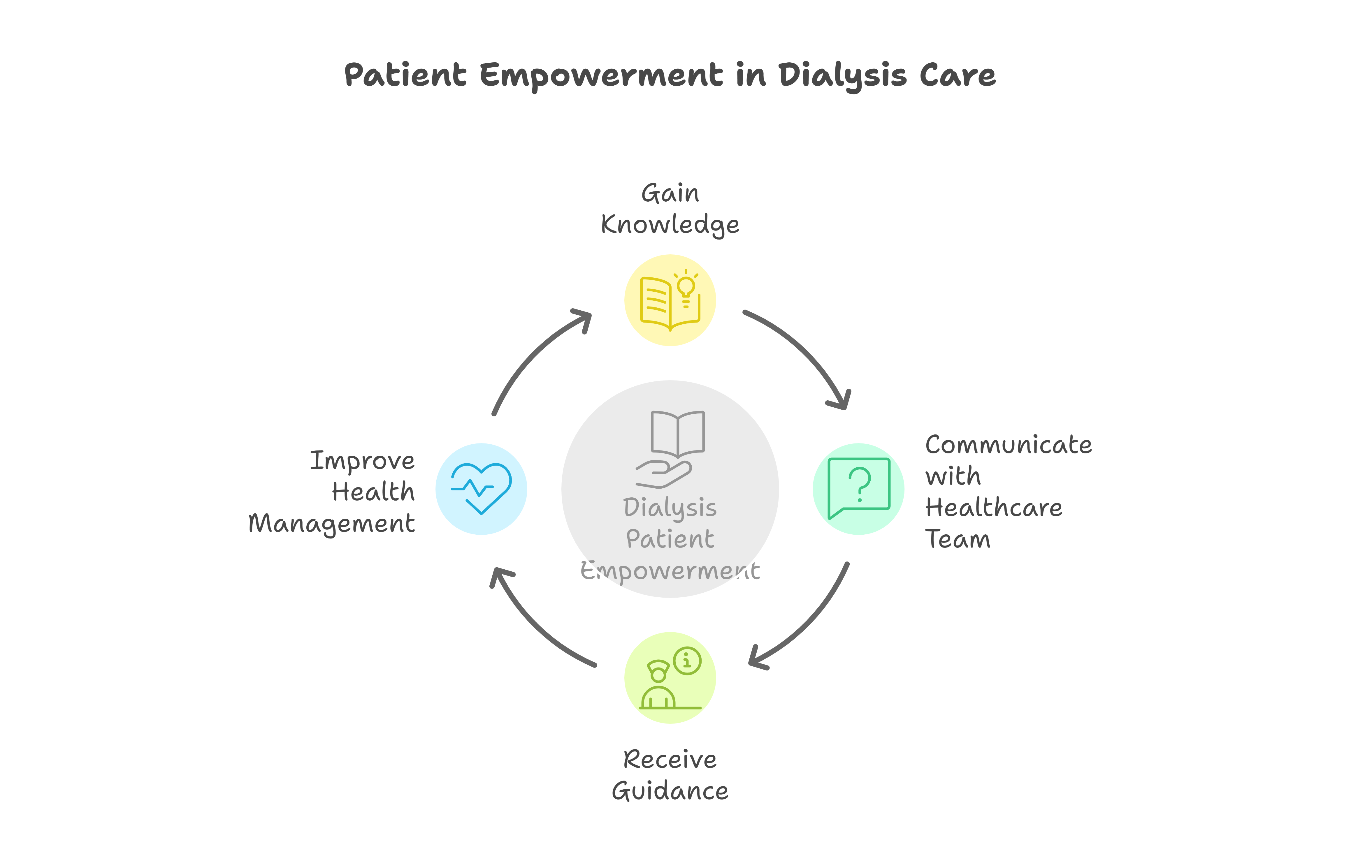
Keep in Touch with Your Medical Team: Maintaining regular and open lines of communication with your healthcare providers is the cornerstone of your journey towards fluid balance. The collaboration of your dietician, dialysis nurse, and nephrologist is invaluable, as their expertise allows for tailored advice that aligns with your unique needs.
Conclusion Managing fluid balance stands as an indispensable pillar of care for dialysis patients, holding the key to their well-being. By diligently adhering to a fluid restriction plan, making judicious choices in selecting healthy beverages, consistently monitoring weight, and maintaining open and frequent communication with medical providers, individuals battling ESRD can effectively regulate their fluid levels. This, in turn, mitigates the risk of complications and elevates the overall quality of life. It is crucial to bear in mind that fluid management is not a one-size-fits-all endeavor. It is a personalized journey, requiring guidance and expertise from healthcare professionals to achieve optimal results. In the quest for improved health and an enhanced quality of life, the journey begins with mastering the art of fluid management in dialysis patients.