Gym Protein Supplements and Kidneys: The Hidden Truth
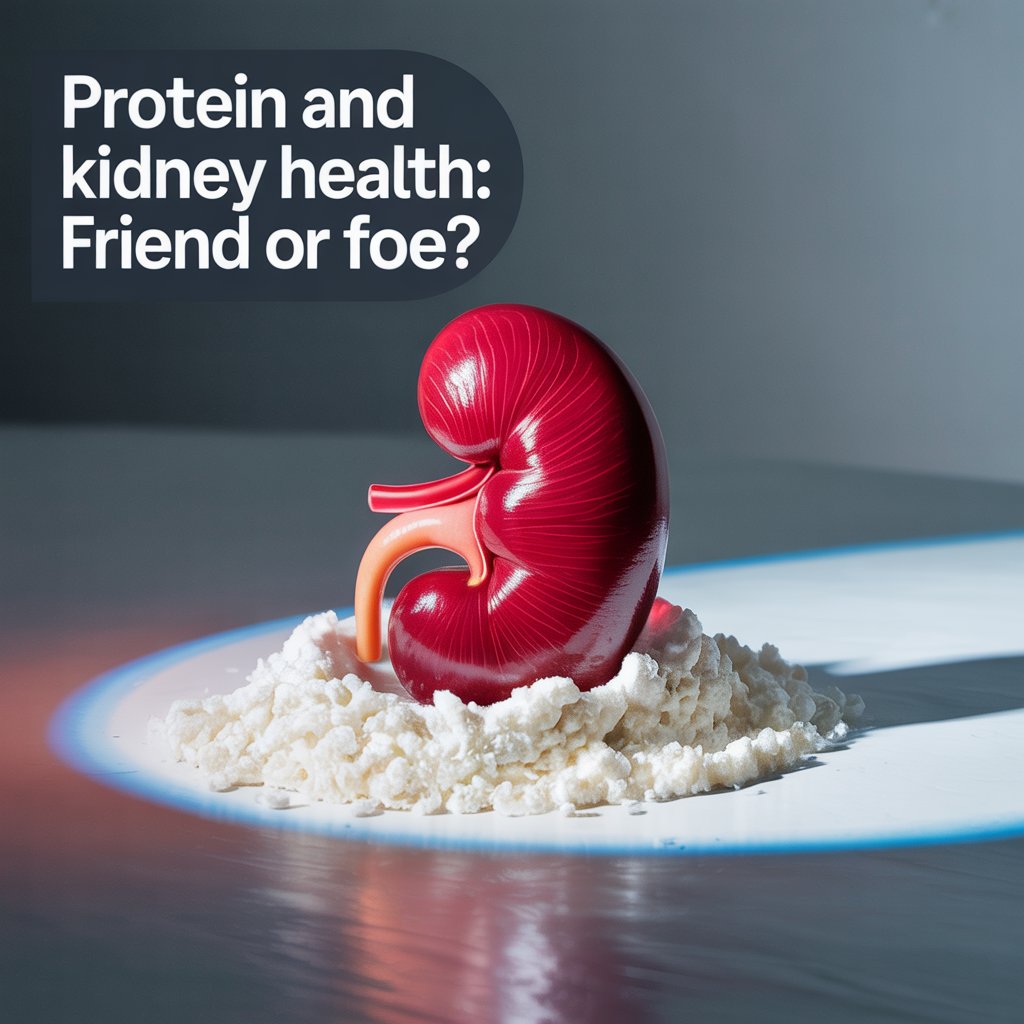
Protein and Kidney Health: Friend or Foe?
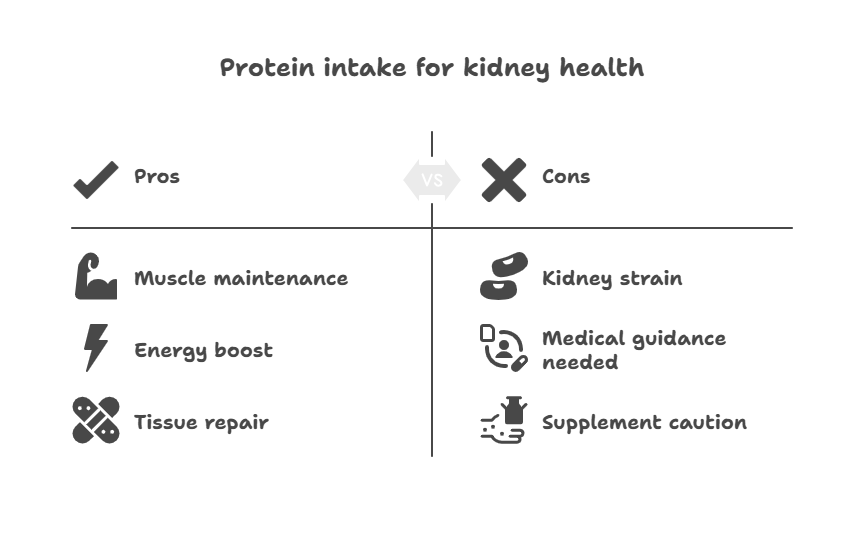
Protein is widely known as the body’s building block. It repairs tissues, builds muscles, and strengthens immunity. But when it comes to kidney health, protein has a double-edged role. For some people, it is life-saving; for others, it can be harmful. Understanding this complex relationship helps in making the right dietary and medical choices.
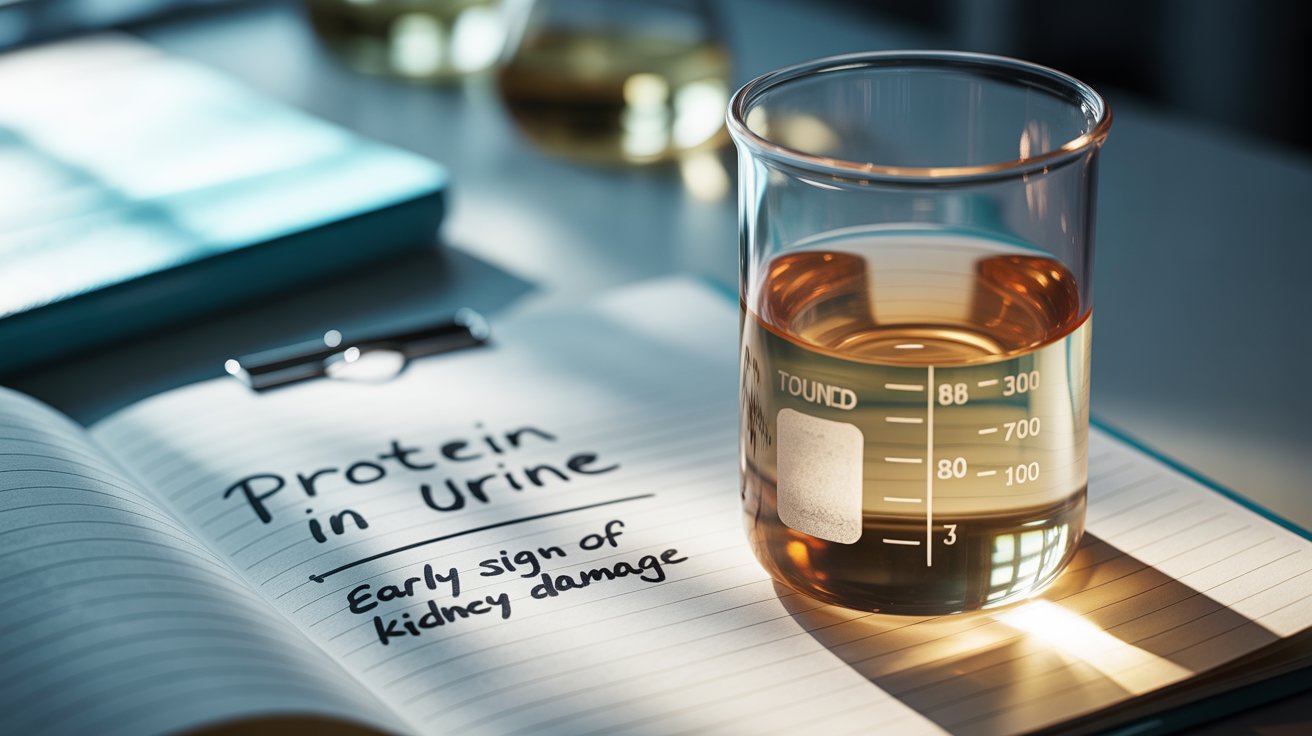
Protein in Urine: An Early Sign of Kidney Damage
One of the first red flags in kidney disease is the presence of protein in urine, a condition called proteinuria. Healthy kidneys filter out waste while keeping useful substances, such as protein, inside the blood. When the kidney filter is damaged, protein leaks out. Detecting proteinuria early through a urine test can help in timely diagnosis and treatment of kidney disease.
Protein as a Diagnostic Tool
Doctors rely on tests such as the urine protein test and the albumin-to-creatinine ratio (ACR) to evaluate kidney function. These tests indicate whether the kidneys are filtering properly and how much damage has occurred. Thus, protein serves not only as a nutrient but also as an important marker for kidney health.
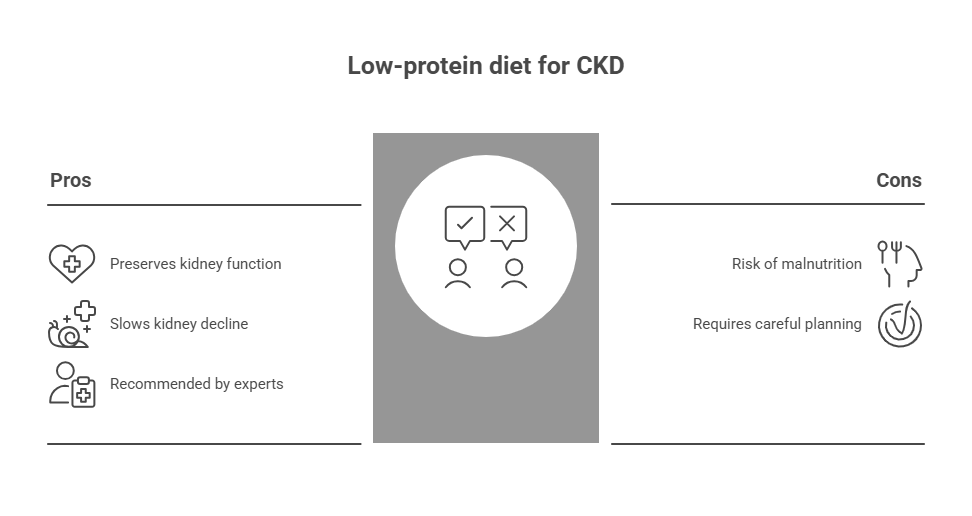
Low-Protein Diet in Chronic Kidney Disease (CKD)
For patients with chronic kidney disease who are not on dialysis, eating too much protein can be harmful. Excess protein puts additional strain on the kidneys, accelerating their decline. That is why nephrologists and dietitians often recommend a controlled, low-protein diet for CKD patients. This helps preserve kidney function for as long as possible.
High-Protein Needs in Dialysis Patients
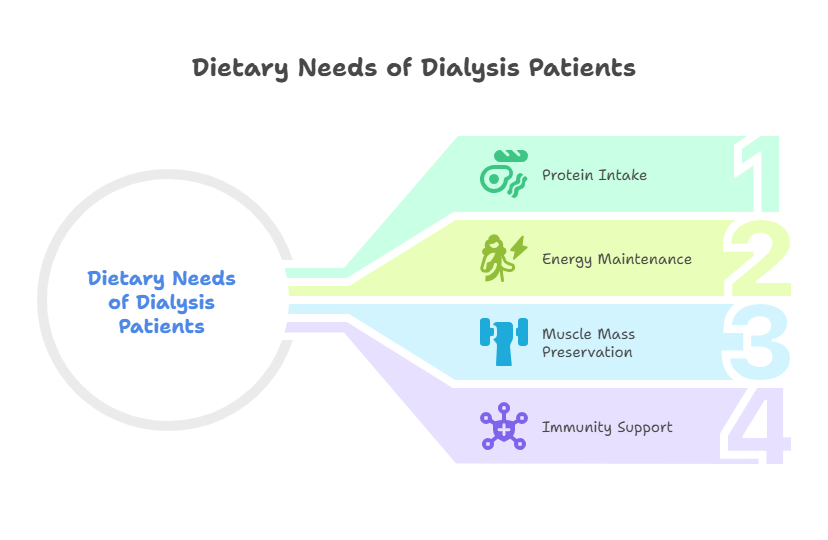
Once a patient begins dialysis, the scenario changes. During each dialysis session, not only toxins but also small amounts of protein are lost from the blood. To maintain energy, muscle mass, and immunity, dialysis patients require higher protein intake compared to healthy individuals. High-quality protein sources such as eggs, chicken, fish, paneer, and pulses become essential in their daily diet.
Striking the Right Balance
The key message is clear: protein can be both friend and foe, depending on the stage of kidney health. For some, restriction is necessary; for others, increased intake is life-saving. In today’s fitness culture, protein shakes and supplements are promoted heavily in gyms. But unlike healthy individuals, people with kidney issues must be extra cautious. Only a doctor or dietitian can guide the right amount of protein based on medical reports and treatment status.
Conclusion
Protein is not the villain, nor is it always the hero—it is about balance. By understanding the connection between protein and kidneys, and by following professional guidance, patients can protect their health while getting the benefits of this essential nutrient.