DCDC Kidney Care

Ways to Support Your Mental Health Between Sessions

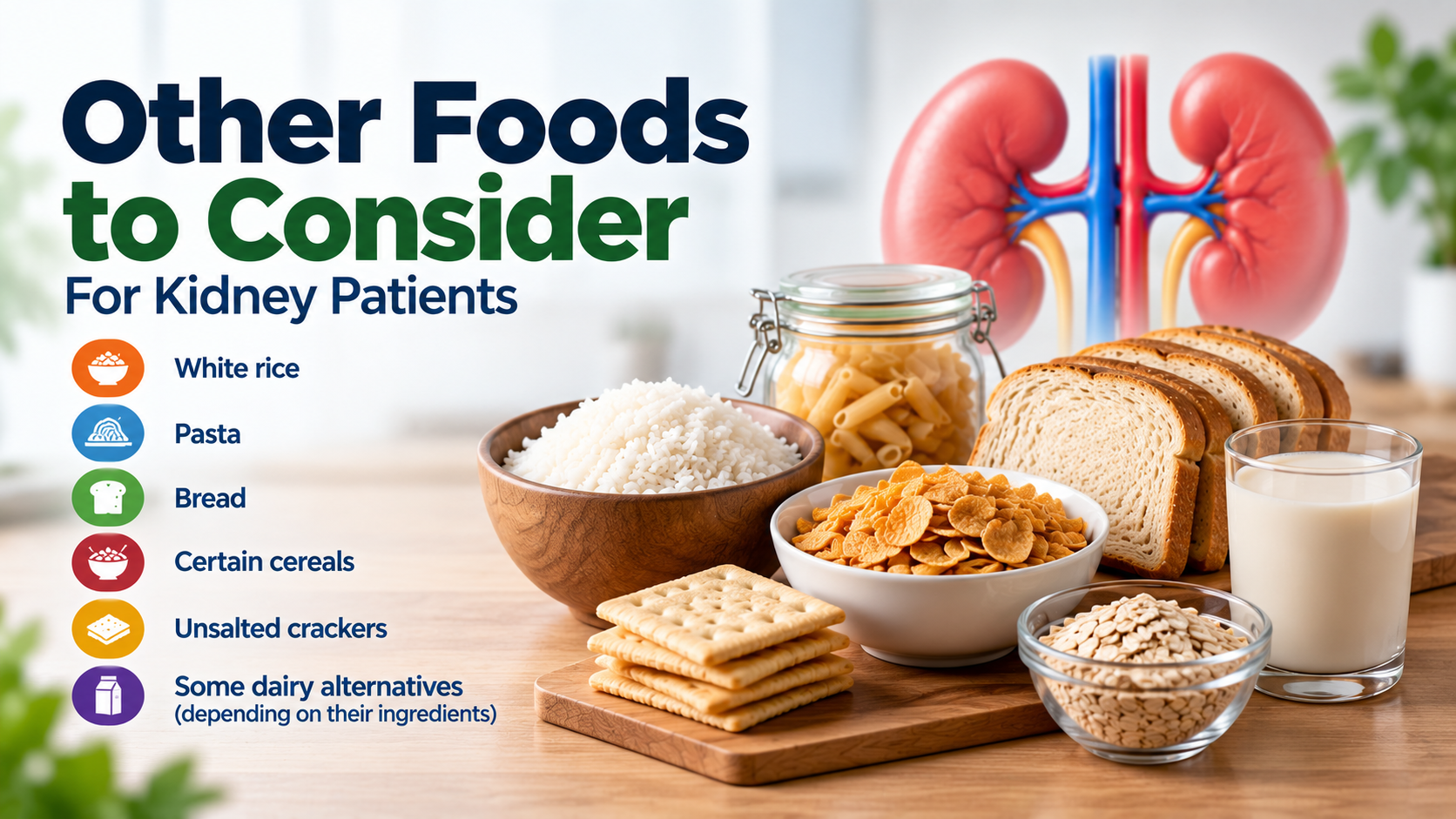
Dining out while on dialysis doesn’t mean you have to give up your favorite restaurants or social gatherings. With a bit of planning and awareness, you can enjoy meals out with friends and family—without compromising your health. Here’s a simple guide to help you dine out with confidence while managing your dialysis diet.

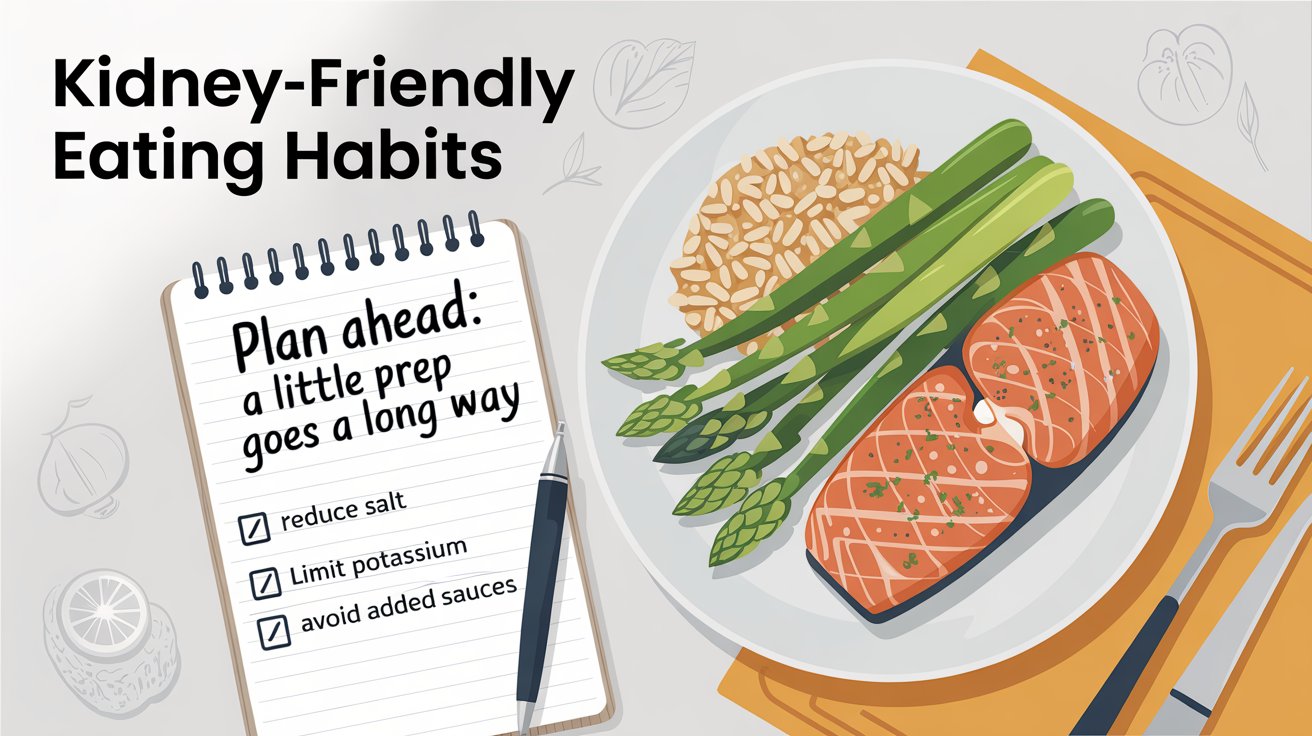
Plan Ahead: A Little Prep Goes a Long Way

Before heading out, follow your renal diet a bit more strictly during the day. Reduce your intake of salt, potassium, phosphorus, and fluids. If possible, choose restaurants that offer fresh, made-to-order meals and where staff are open to customizing dishes. Don’t hesitate to request meals without added salt or sauces.

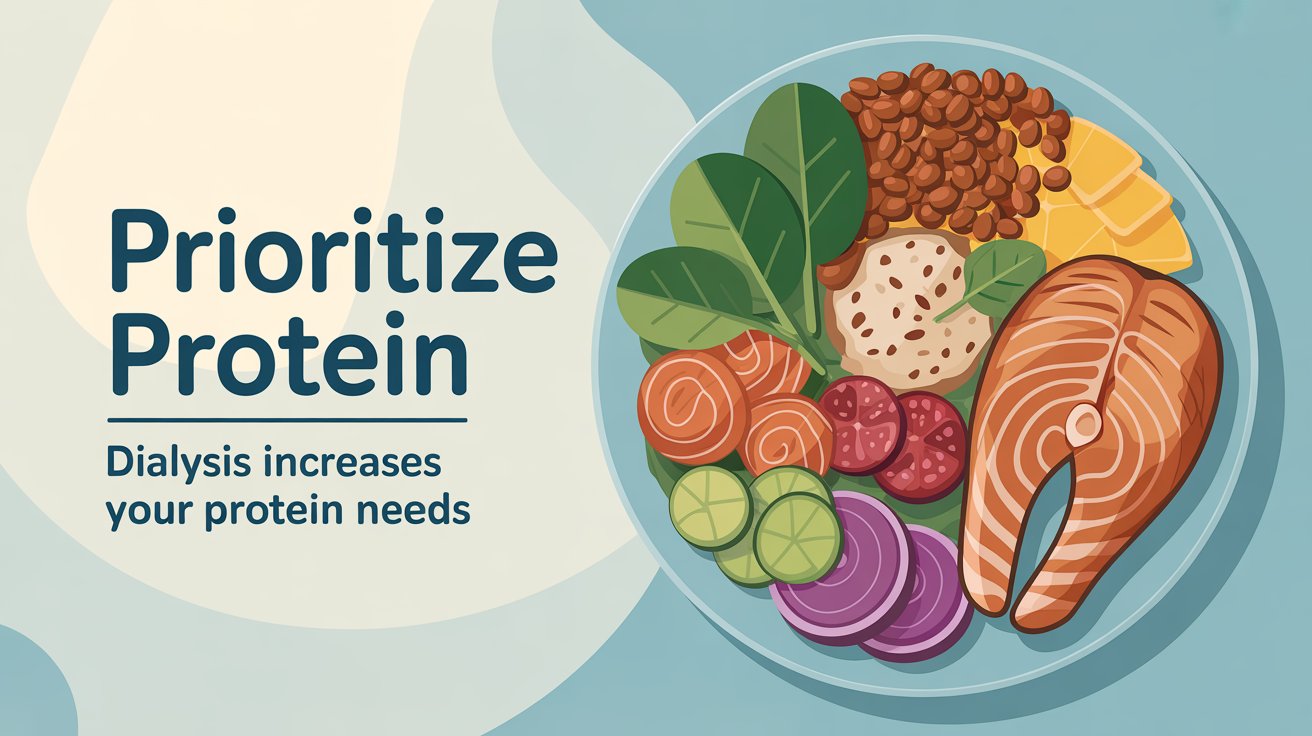
Prioritize Protein

Dialysis increases your protein needs. Both animal and plant-based proteins play a key role in maintaining muscle mass, fighting infections, and keeping your albumin levels healthy—which also helps with fluid balance.

When dining out, choose:

  • Grilled, boiled, or steamed lean meats like chicken, fish, or eggs (skip the fried or spicy versions).
  • Plant-based options such as fresh paneer, tofu, soya chunks, or simple lentil preparations (ask if preservatives have been added to avoid extra sodium or phosphorus).

Be Mindful of Salt, Potassium, Phosphorus, and Fluids

These elements can quickly add up in restaurant food, especially in processed or packaged items.

Sodium (Salt) Tips

  • Ask for dishes made without added salt or MSG.
  • Skip salty sides like papads, pickles, soy sauce, chutneys, and sauces.
  • Opt for steamed veggies like carrots, corn, or green beans instead of fries or salty snacks.

Phosphorus Management

  • Avoid processed cheeses, milk-based sauces, and packaged foods.
  • Choose freshly cooked meals without additives.
  • Always carry your phosphate binders and take them with your meal.

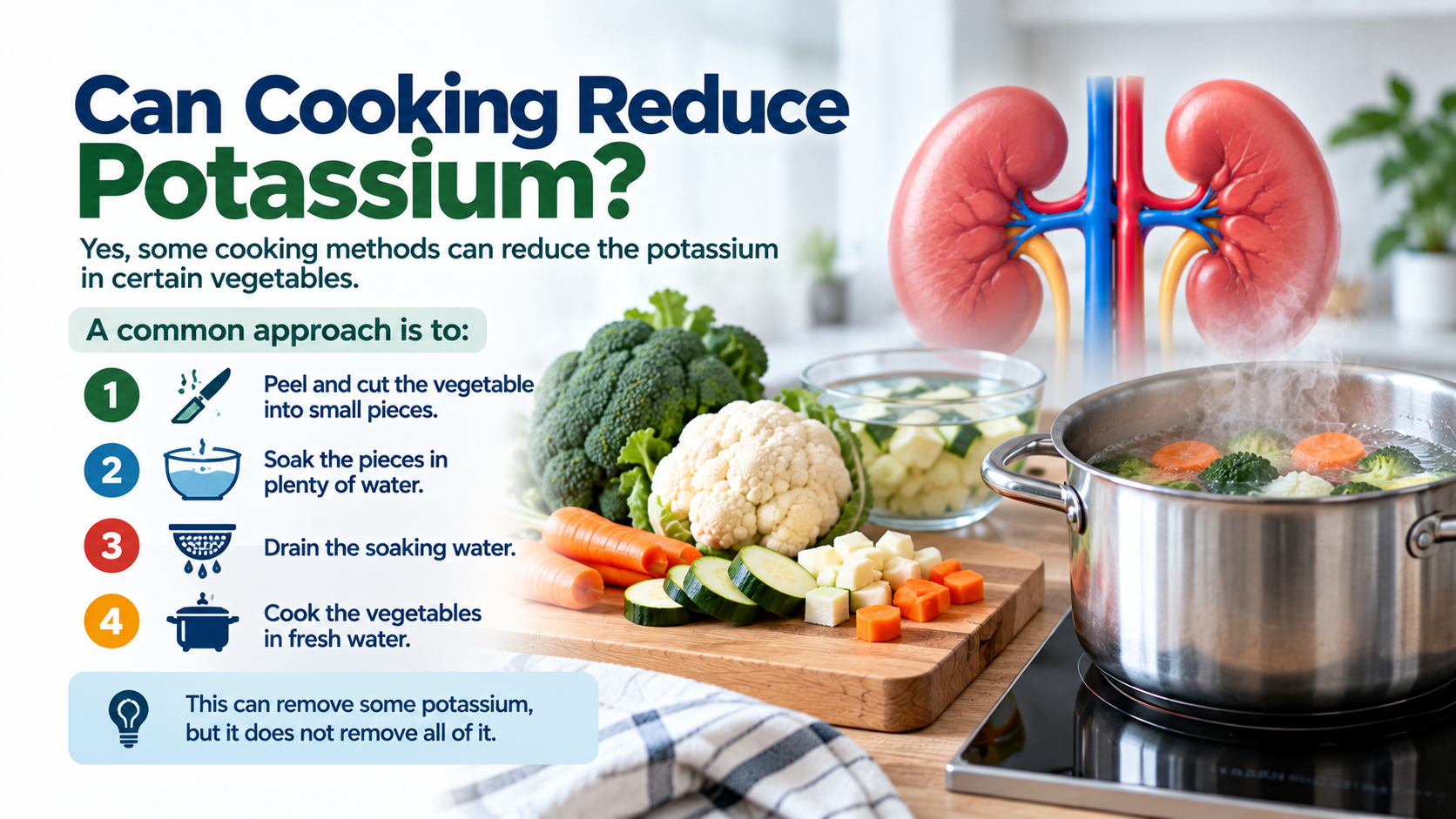
Control Potassium

Too much potassium can cause heart rhythm issues in dialysis patients.

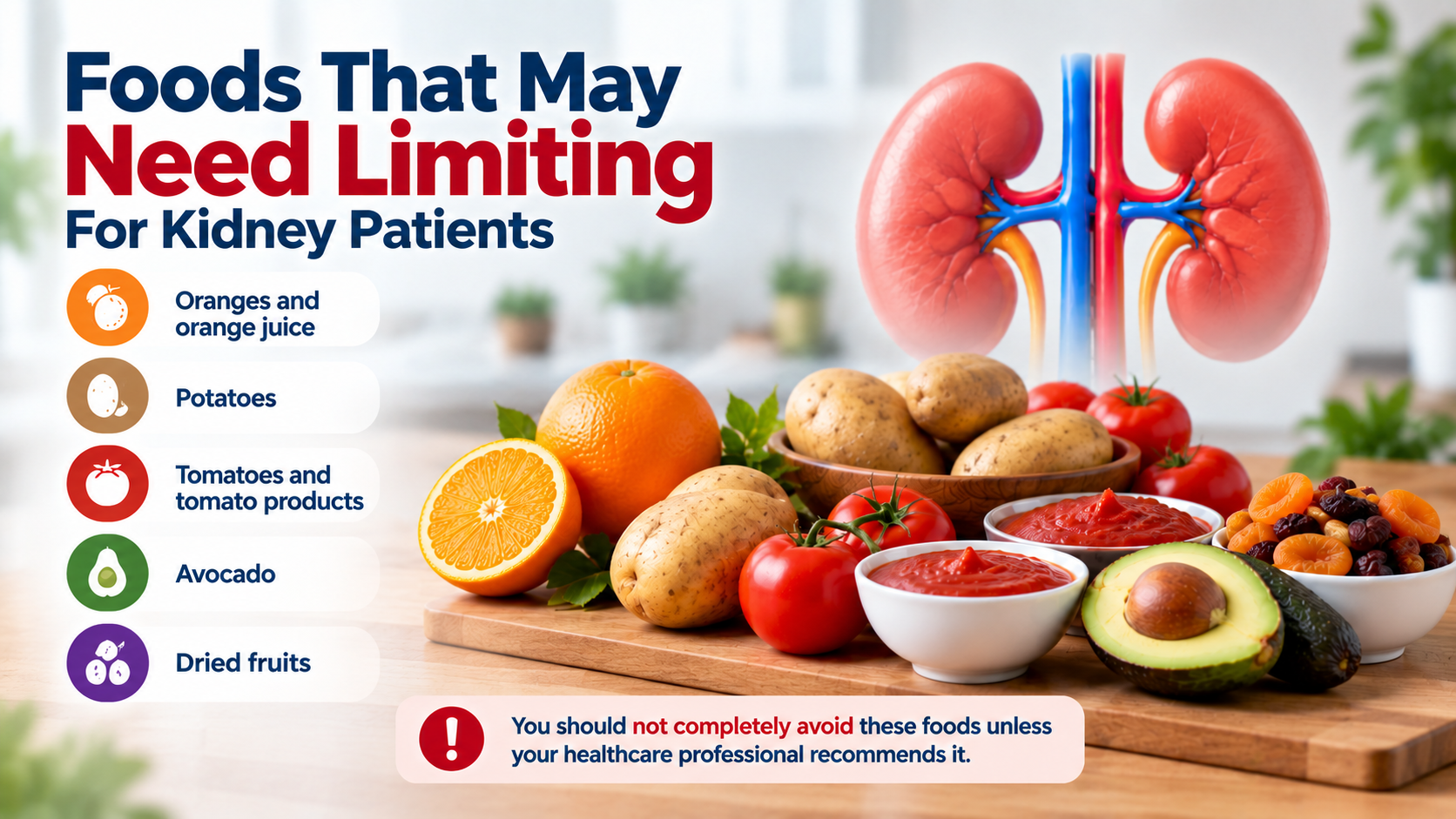
Avoid foods like:

  • Tomato-based sauces, tropical fruits (banana, melon, orange juice)
  • Potatoes (white and sweet), sesame seeds, groundnuts, coconut, cashews
  • Coriander and mint garnishes in gravies

Watch Your Fluids

If you’re on a fluid-restricted plan, consider your full day’s intake before ordering drinks. Even foods like soup, ice cream, and gelatin count as fluids.

Safer drink choices (in moderation):

  • Vanilla milkshake, cold coffee, apple smoothie, or strawberry shake

Stick to Smaller Portions

Portion sizes at restaurants are often larger than necessary. To manage your intake:

  • Avoid ordering combo or “super-sized” meals.
  • Ask for a takeaway box right away and pack half your meal before eating.
  • Focus on enjoying the experience, not just finishing the plate.

Consult Your Dietitian Beforehand

Everyone’s dietary needs vary, especially with dialysis. Talk to your renal dietitian about your plans to dine out. They can help you make safe choices and give tips specific to your treatment and health.


Conclusion

Dining out doesn’t have to be off the table. With a bit of knowledge and preparation, you can enjoy a satisfying meal while staying on track with your health goals. Remember—your well-being is worth the effort.

Caring for Your Kidneys – A Step Towards Better Health

Your kidneys play a vital role in keeping your body healthy by removing toxins, balancing fluids, and maintaining overall well-being. Taking care of your kidney health is essential for a healthy life.

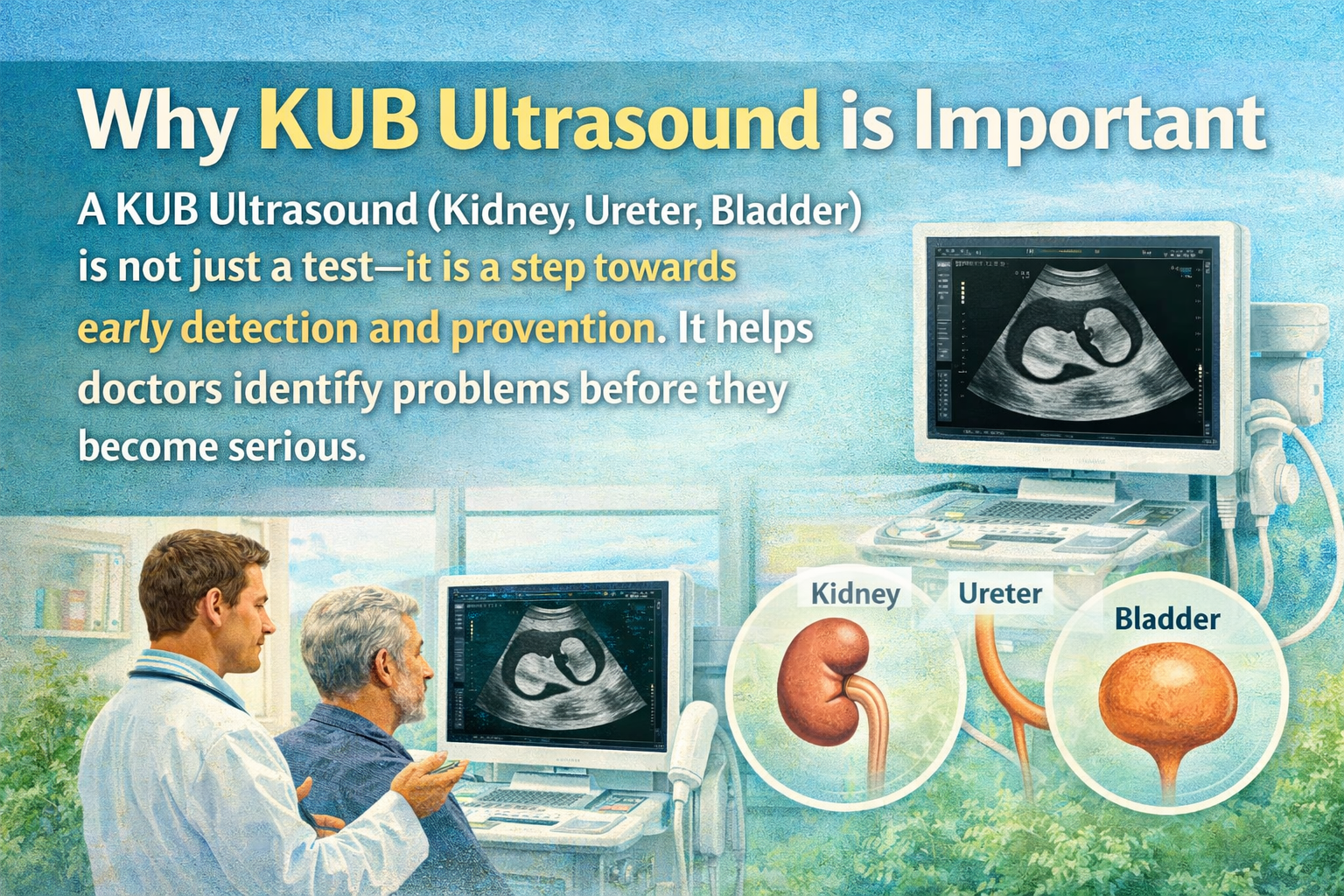
Why KUB Ultrasound is Important

A KUB Ultrasound (Kidney, Ureter, Bladder) is not just a test—it is a step towards early detection and prevention. It helps doctors identify problems before they become serious.

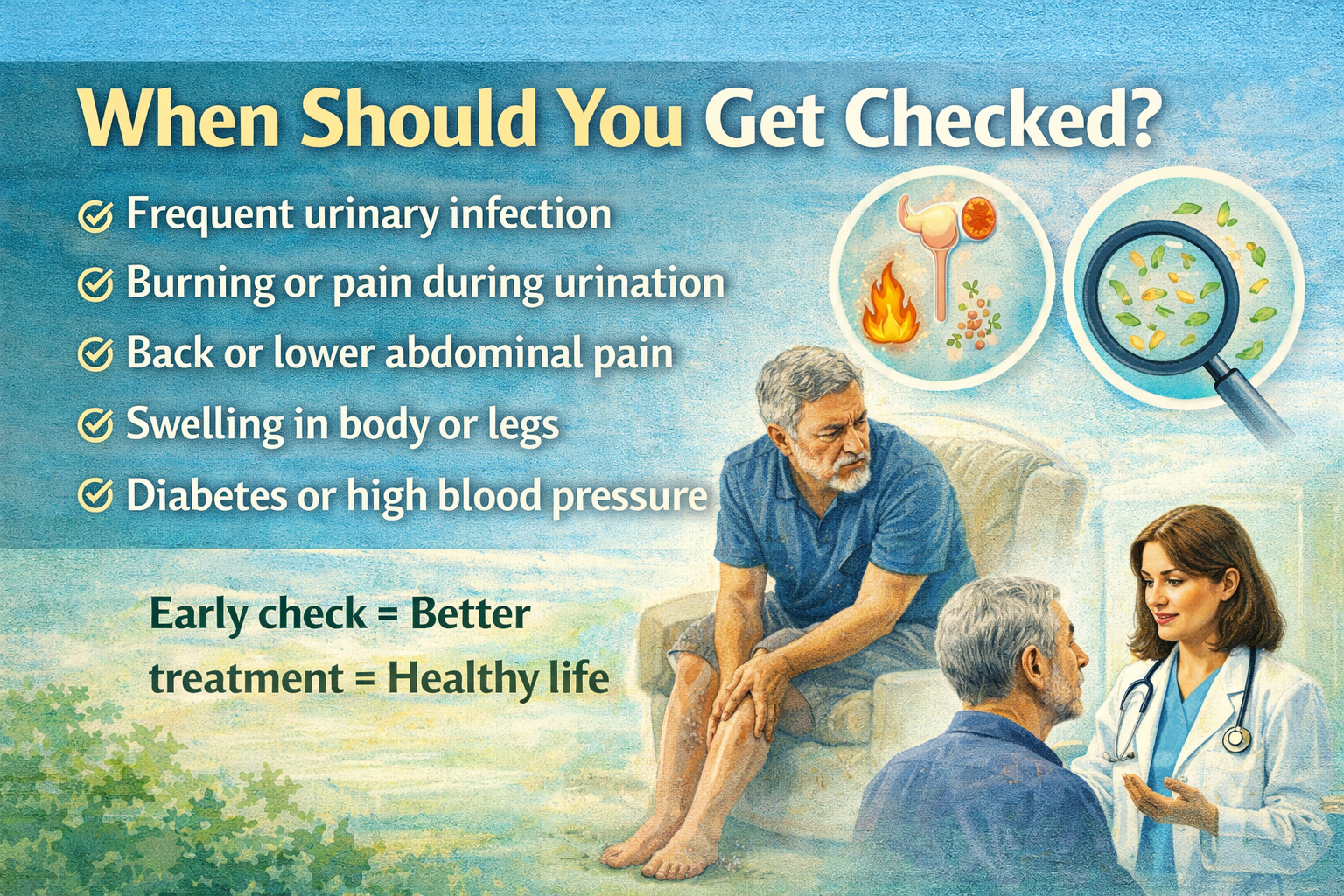
When Should You Get Checked?

  • Frequent urinary infection
  • Burning or pain during urination
  • Back or lower abdominal pain
  • Swelling in body or legs
  • Diabetes or high blood pressure


Early check = Better treatment = Healthy life

How to Keep Your Kidneys Healthy

  • Drink enough water
  • Control blood sugar & blood pressure
  • Avoid unnecessary painkillers
  • Follow a healthy diet
  • Do regular health check-ups

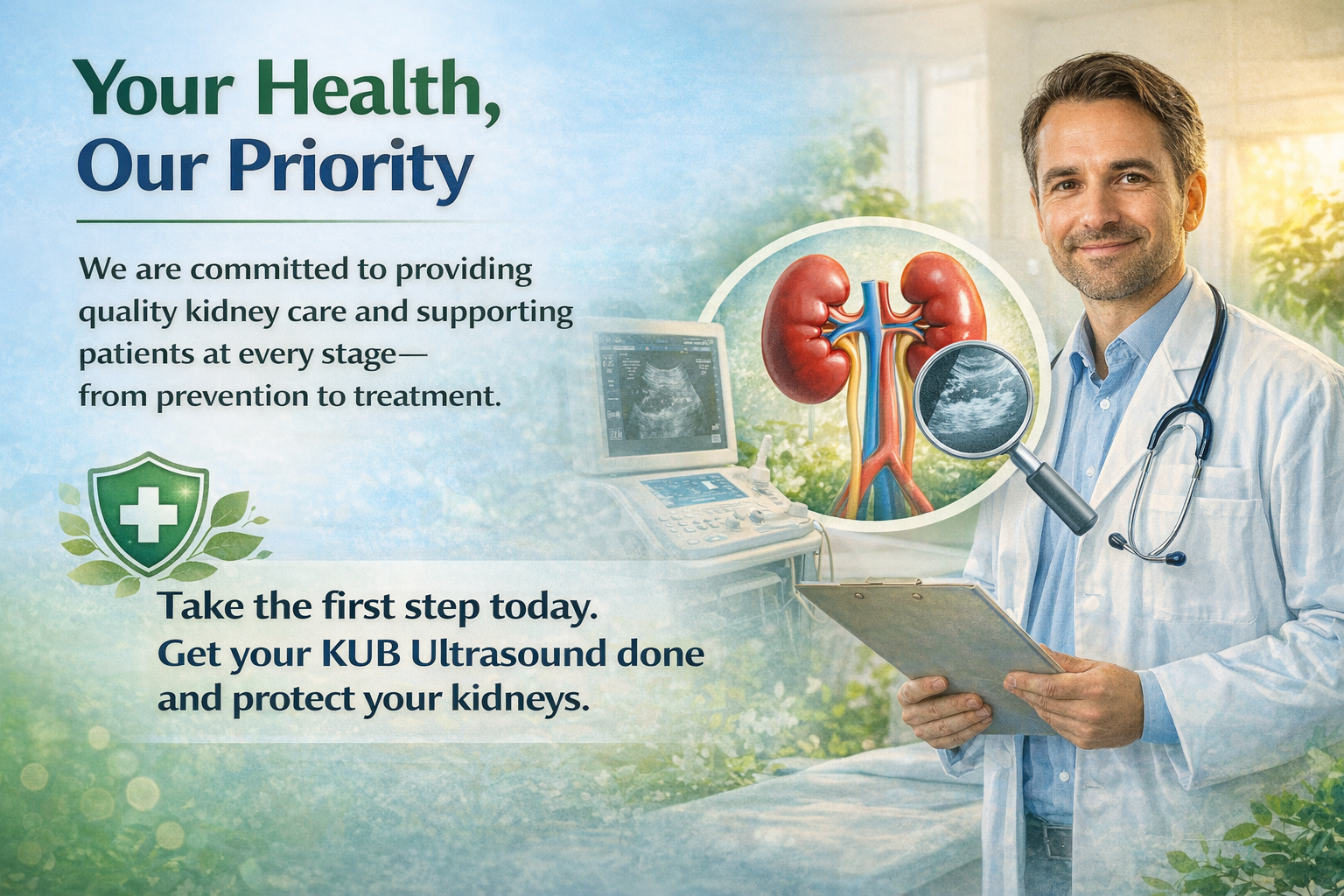
Your Health, Our Priority

We are committed to providing quality kidney care and supporting patients at every stage—from prevention to treatment.


Take the first step today. Get your KUB Ultrasound done and protect your kidneys.

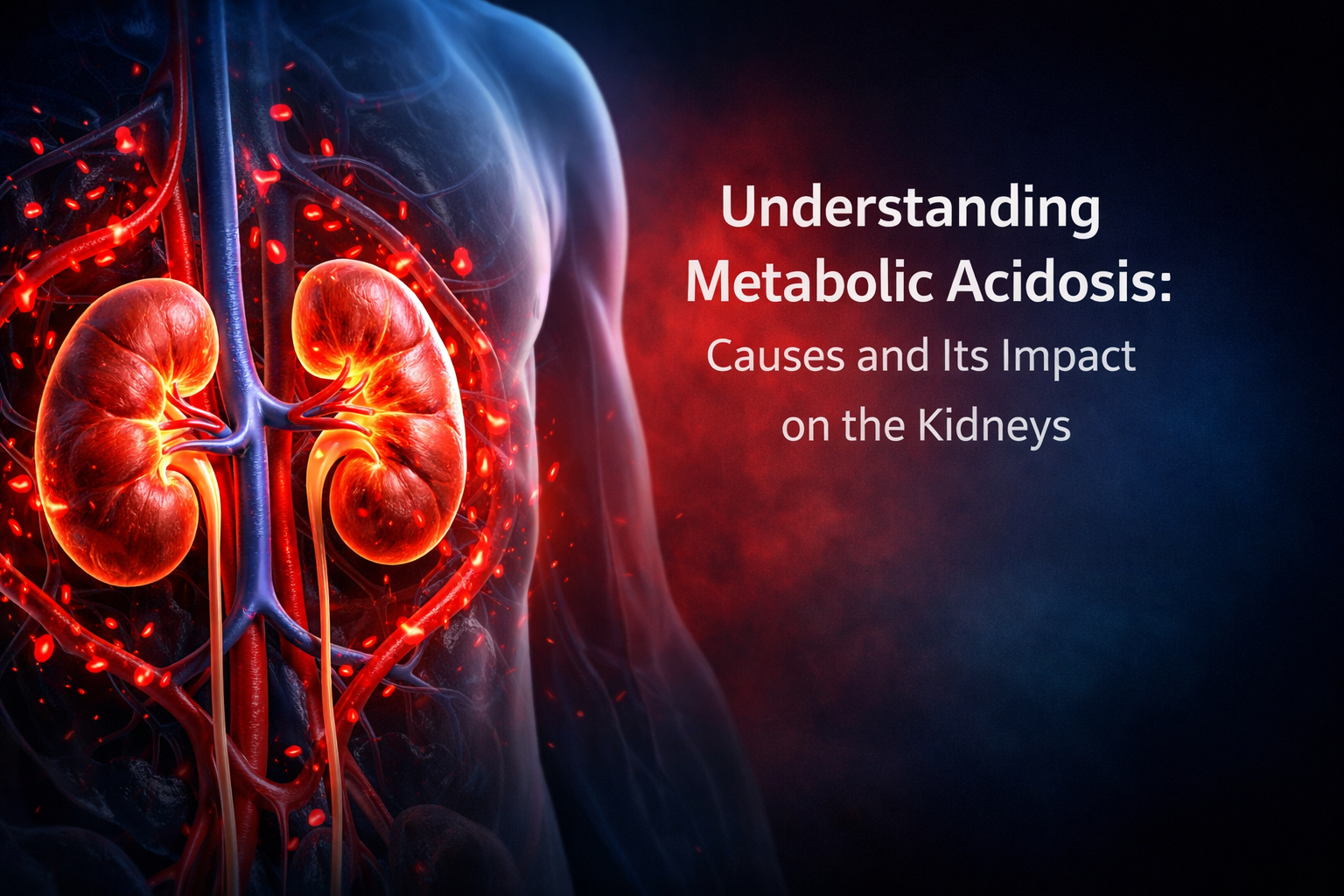
Understanding Metabolic Acidosis: Causes and Its Impact on the Kidneys

Understanding Metabolic Acidosis

Our body is like a well-balanced system where everything needs to stay in harmony—including the levels of acid and alkaline (base) in our blood. When this balance gets disturbed and too much acid builds up, it leads to a condition called metabolic acidosis. Simply put, it means your body is either making too much acid or struggling to remove it properly.

Understanding Metabolic Acidosis

What Causes Metabolic Acidosis?

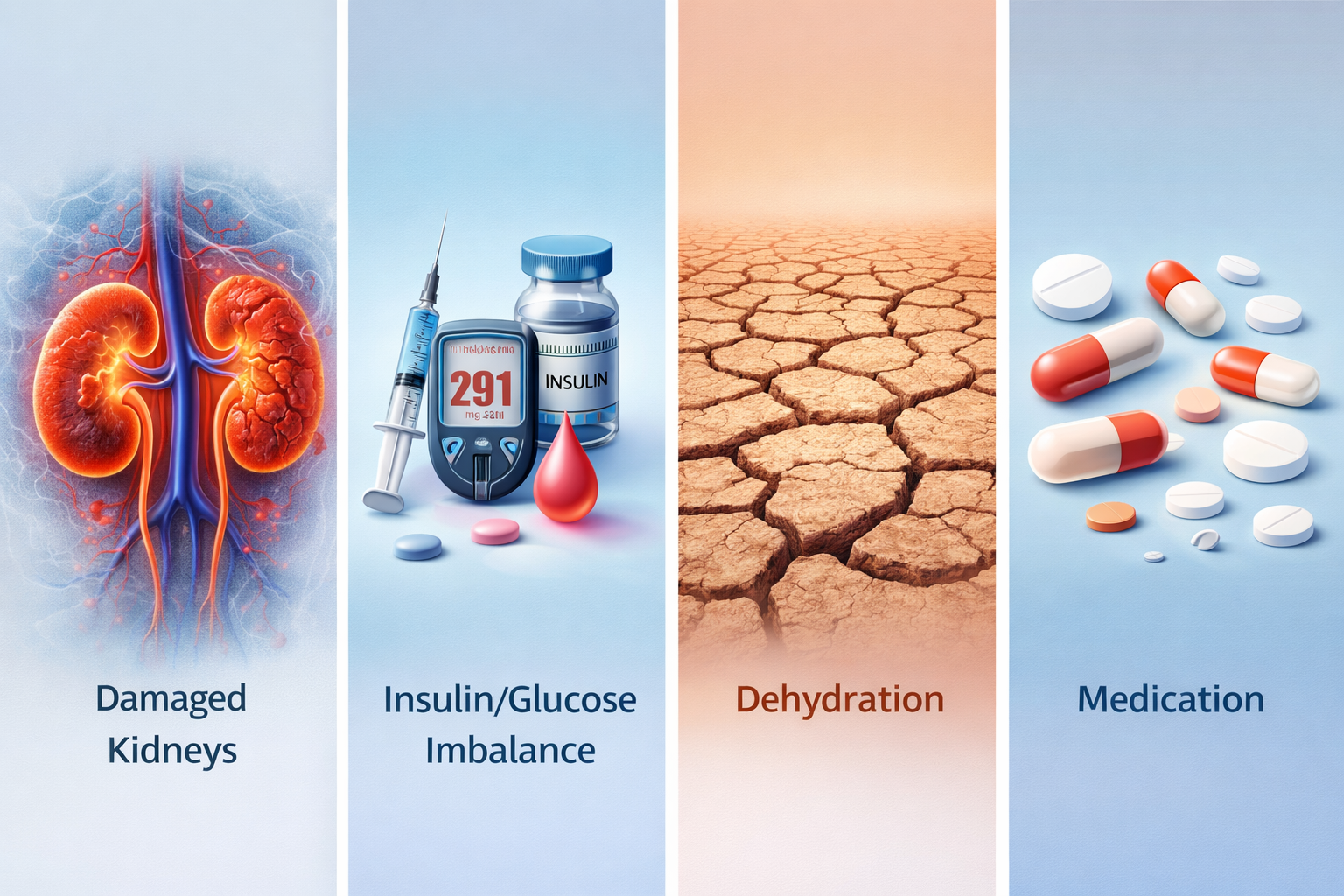
There isn’t just one reason behind metabolic acidosis—it can happen due to several underlying issues. One of the most common causes is related to kidney health. In conditions like Chronic Kidney Disease, the kidneys lose their ability to filter out excess acid effectively. As a result, acid starts building up in the bloodstream.

Uncontrolled diabetes is another major cause. When blood sugar levels are not managed well, the body begins to break down fat for energy, producing ketones that increase acidity. This condition is known as diabetic ketoacidosis.

Other everyday situations like severe dehydration or long-lasting diarrhea can also play a role. These conditions reduce the body’s bicarbonate levels, which normally help keep acid in check. Certain medications, alcohol overuse, and low oxygen levels in the body can also contribute to this imbalance.

How Does It Affect the Kidneys?

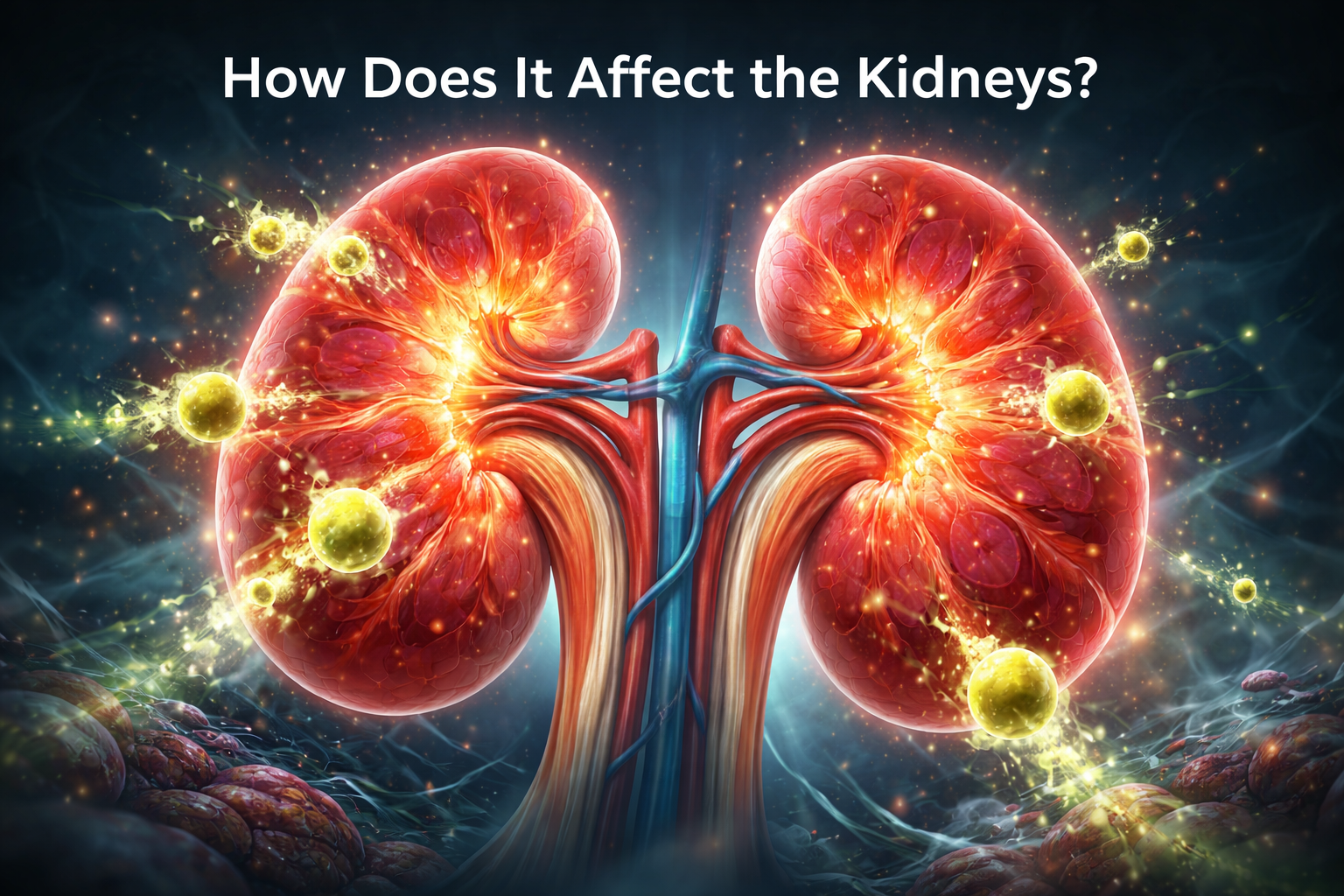
Your kidneys are the body’s natural filters. They don’t just remove waste—they also help maintain the right pH balance in your blood. When metabolic acidosis develops, the kidneys are forced to work extra hard to correct the imbalance.

Over time, this added pressure can weaken kidney function. For someone who already has kidney issues, metabolic acidosis can make things worse and speed up the damage. It becomes a cycle—the weaker the kidneys, the harder it is to remove acid, and the more the condition progresses.

It doesn’t stop there. High acid levels can also affect other parts of the body. The body may start pulling minerals like calcium from the bones to neutralize the acid, which can lead to weaker bones over time. Muscle loss and general weakness are also common effects.

Signs You Shouldn’t Ignore

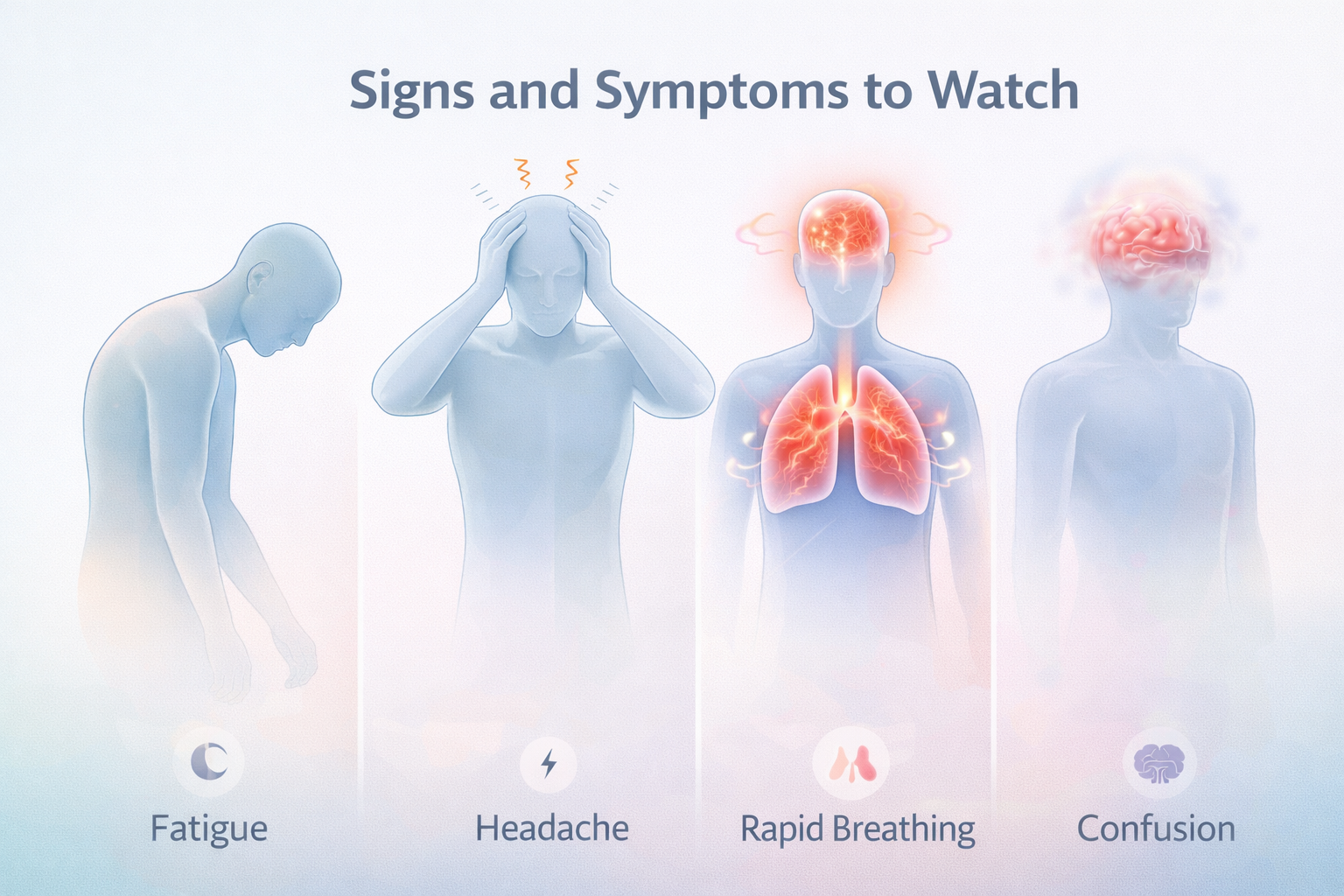
In the early stages, metabolic acidosis might not show obvious symptoms. But as it worsens, you may start noticing:

  • Feeling unusually tired or weak
  • Fast or deep breathing
  • Trouble focusing or confusion
  • Headaches
  • Loss of appetite

These signs may seem minor at first, but they shouldn’t be ignored—especially if you already have kidney concerns.

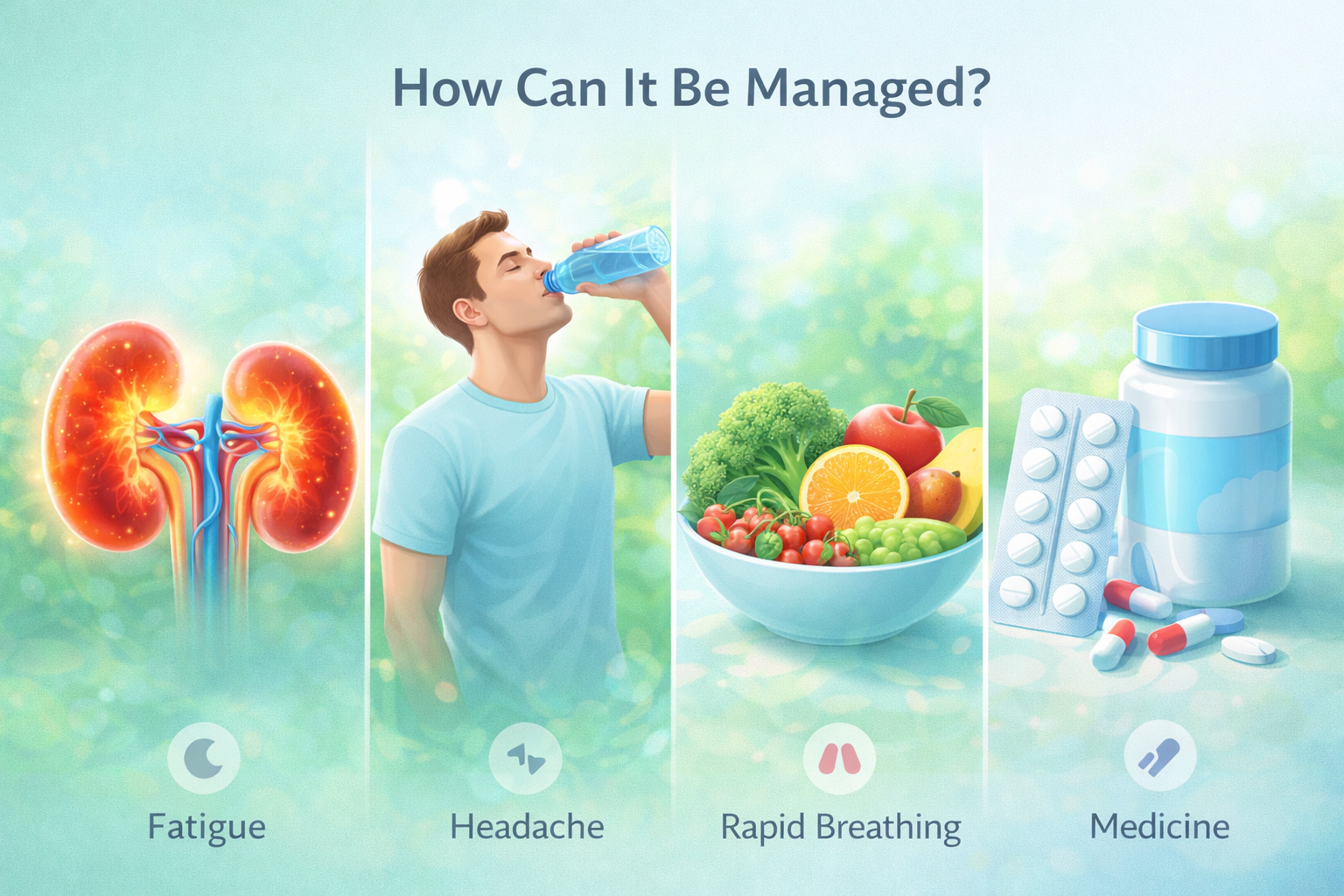
How Can You Manage It?

The good part is that metabolic acidosis can be managed with the right approach. Treatment mainly focuses on addressing the root cause. For example, if it’s related to kidney problems, doctors may suggest bicarbonate supplements to help reduce acid levels.

Simple lifestyle changes can also make a big difference. Drinking enough water, eating a balanced diet, and keeping conditions like diabetes under control are key steps. Regular health check-ups are especially important if you’re at risk.

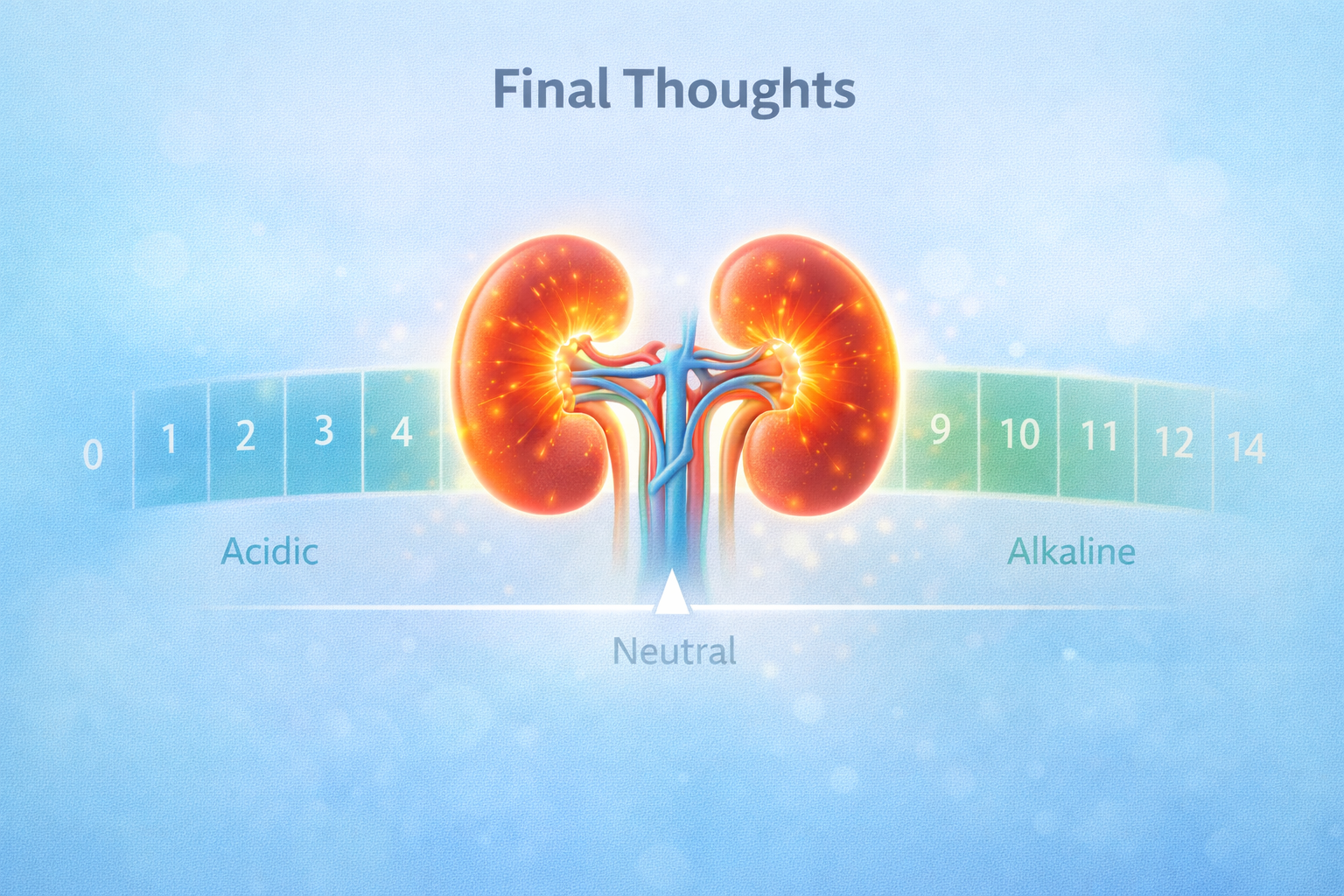
Final Thoughts

Metabolic acidosis may sound like a complicated medical term, but at its core, it’s about imbalance in the body. If left unchecked, it can quietly affect your kidneys and overall health. The good news is that with awareness, early detection, and proper care, it can be managed effectively. Taking small steps today can go a long way in protecting your kidney health tomorrow.

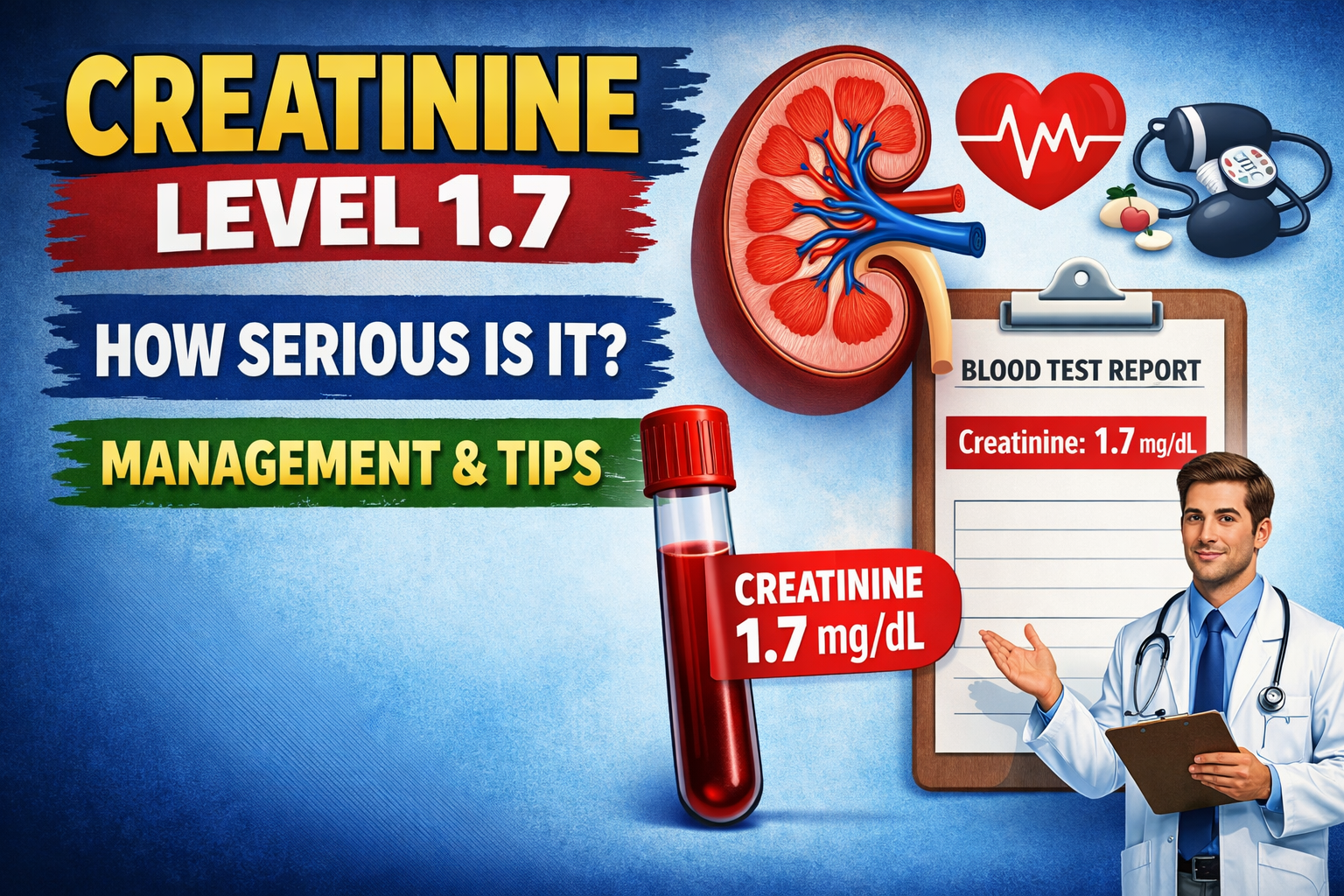
How Serious Is a Creatinine Level of 1.7, and What Steps Can Be Taken to Manage It?

When you receive a lab report showing a creatinine level of 1.7 mg/dL, it’s natural to feel concerned. But how serious is it really? The answer depends on your overall health, age, gender, and medical history.

Creatinine is a waste product formed from normal muscle activity. Your kidneys filter it out of the blood and remove it through urine. When creatinine levels rise, it can indicate that your kidneys are not filtering properly. For many adults, the normal range is roughly 0.6 to 1.3 mg/dL, though this can vary slightly between labs. A level of 1.7 is mildly elevated and may suggest reduced kidney function, especially if it remains consistently high.

However, one test result alone does not confirm kidney disease. Doctors usually check eGFR (estimated Glomerular Filtration Rate) along with creatinine to understand how well the kidneys are working. Temporary factors like dehydration, intense exercise, certain medications, or a high-protein diet can also cause a short-term increase.

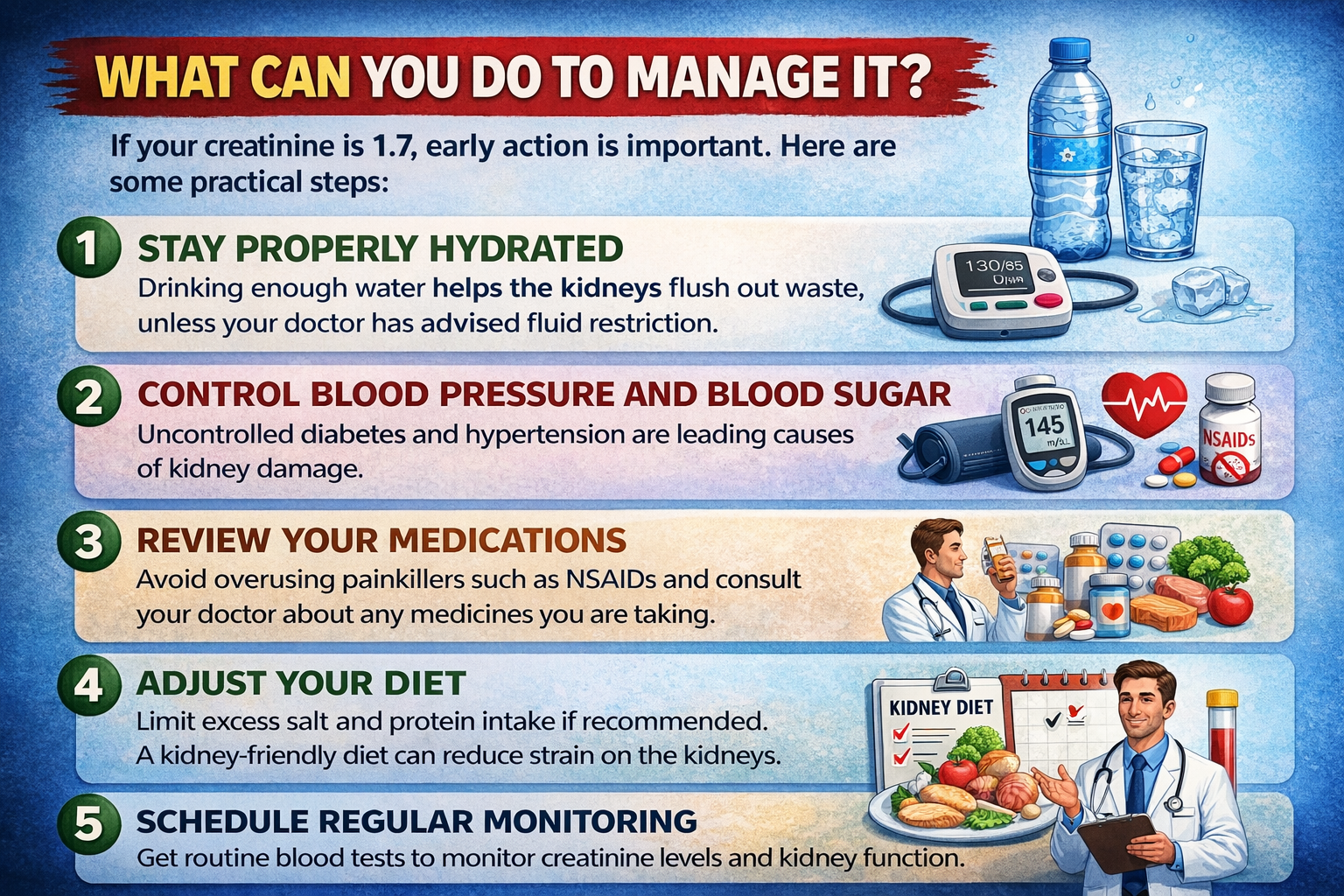
What Can You Do to Manage It?

If your creatinine is 1.7, early action is important. Here are some practical steps:

  1. Stay Properly Hydrated

Drinking enough water helps the kidneys flush out waste, unless your doctor has advised fluid restriction.

  1. Control Blood Pressure and Blood Sugar

Uncontrolled diabetes and hypertension are leading causes of kidney damage.

  1. Review Your Medications

Avoid overusing painkillers such as NSAIDs and consult your doctor about any medicines you are taking.

  1. Adjust Your Diet

Limit excess salt and protein intake if recommended. A kidney-friendly diet can reduce strain on the kidneys.

  1. Schedule Regular Monitoring

Repeat blood tests help track whether the level is stable, improving, or worsening.

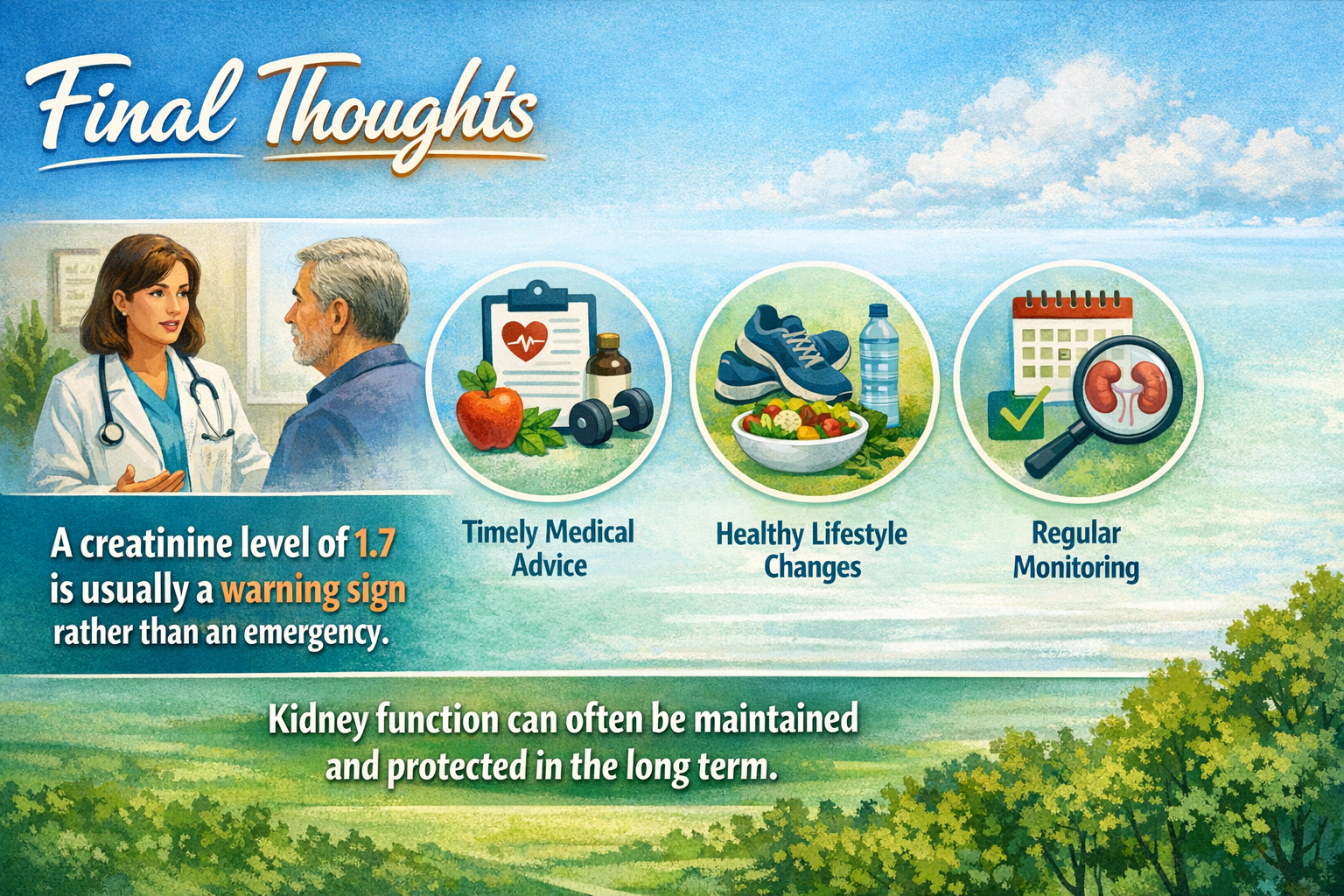
Final Thoughts

A creatinine level of 1.7 is usually a warning sign rather than an emergency. With timely medical advice, healthy lifestyle changes, and regular monitoring, kidney function can often be maintained and protected in the long term.

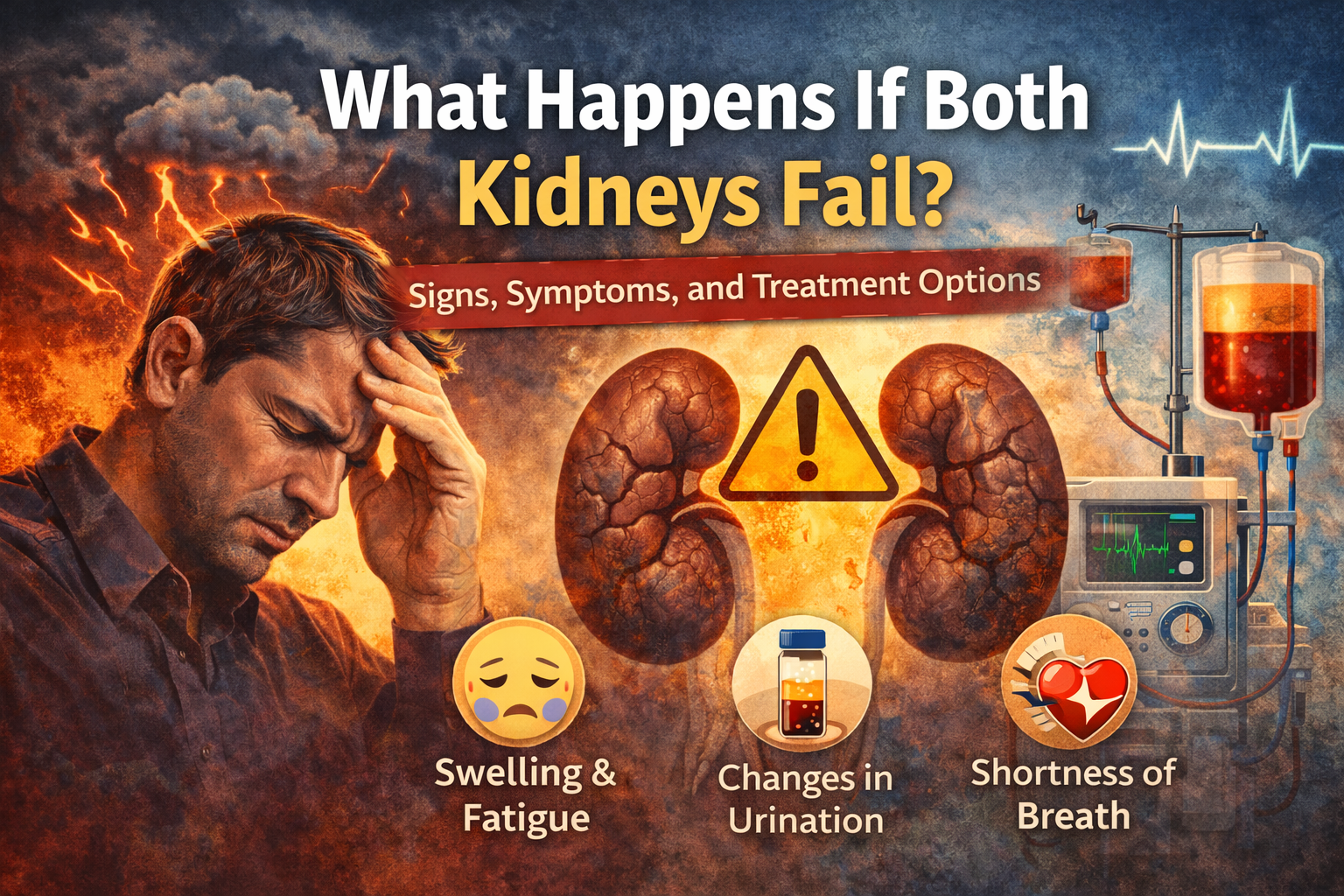
What Happens If Both Kidneys Fail? Signs, Symptoms, and Treatment Options

Your kidneys play a vital role in keeping your body healthy. These two bean-shaped organs filter waste, remove excess fluids, balance electrolytes, control blood pressure, and help produce red blood cells. When both kidneys fail, the body can no longer effectively remove toxins and maintain internal balance. This condition is known as kidney failure or end-stage kidney disease (ESKD), and it requires immediate medical attention.

What Happens When Both Kidneys Fail?

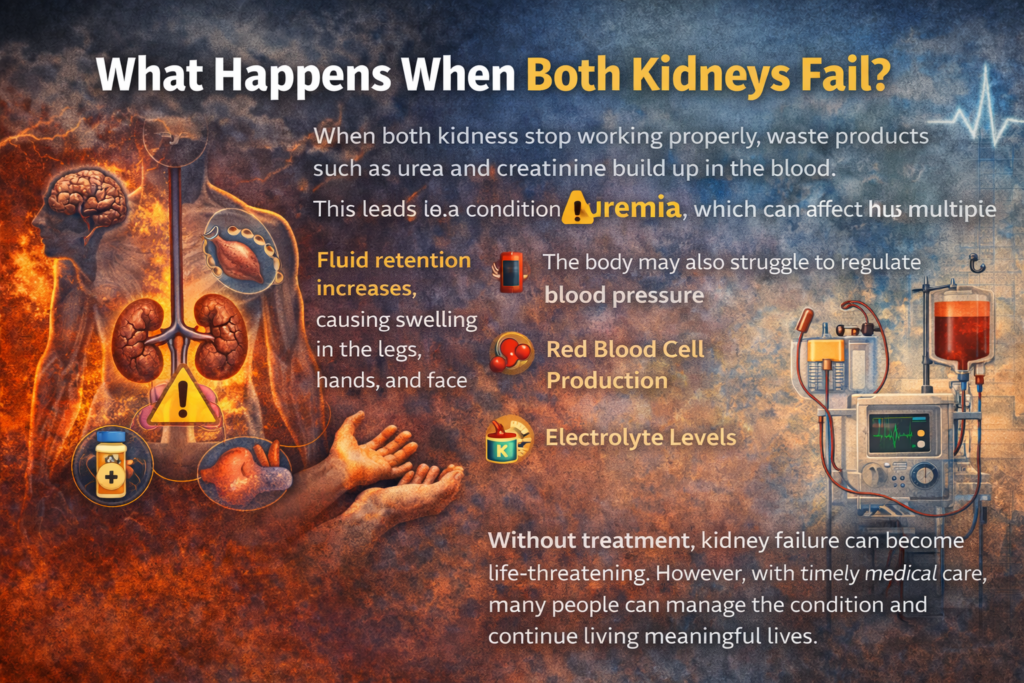
When both kidneys stop working properly, waste products such as urea and creatinine build up in the blood. This leads to a condition called uremia, which can affect multiple organs. Fluid retention increases, causing swelling in the legs, hands, and face. The body may also struggle to regulate blood pressure, red blood cell production, and electrolyte levels like potassium and sodium.

Without treatment, kidney failure can become life-threatening. However, with timely medical care, many people can manage the condition and continue living meaningful lives.

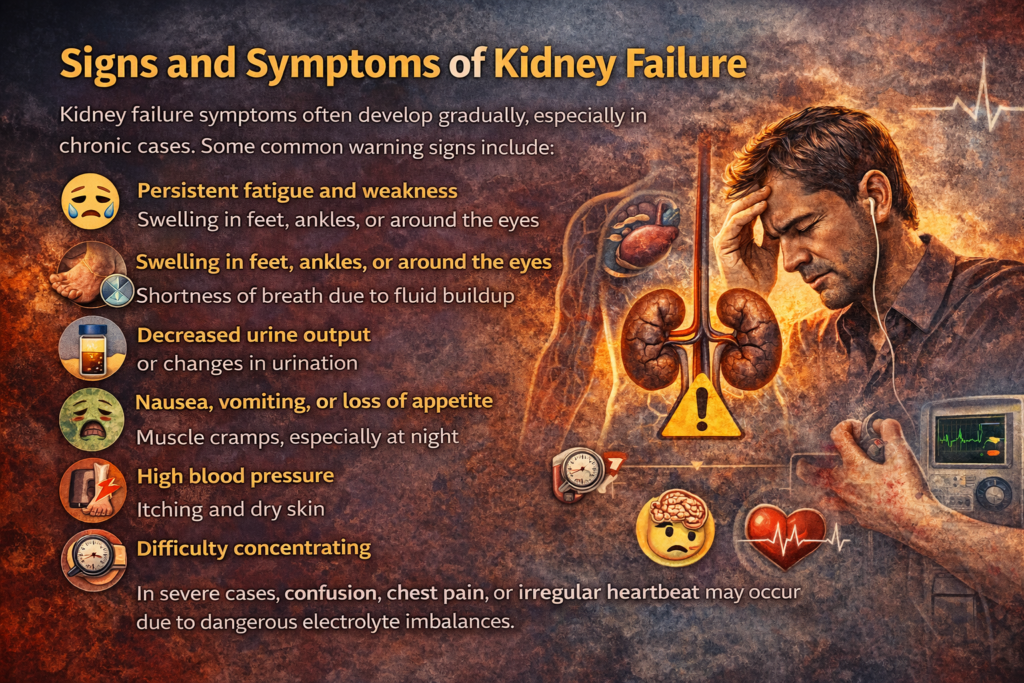
Signs and Symptoms of Kidney Failure

    • Kidney failure symptoms often develop gradually, especially in chronic cases. Some common warning signs include:

      • Persistent fatigue and weakness
      • Swelling in feet, ankles, or around the eyes
      • Shortness of breath due to fluid buildup
      • Decreased urine output or changes in urination
      • Nausea, vomiting, or loss of appetite
      • Muscle cramps, especially at night
      • High blood pressure
      • Itching and dry skin
      • Difficulty concentrating

      In severe cases, confusion, chest pain, or irregular heartbeat may occur due to dangerous electrolyte imbalances.

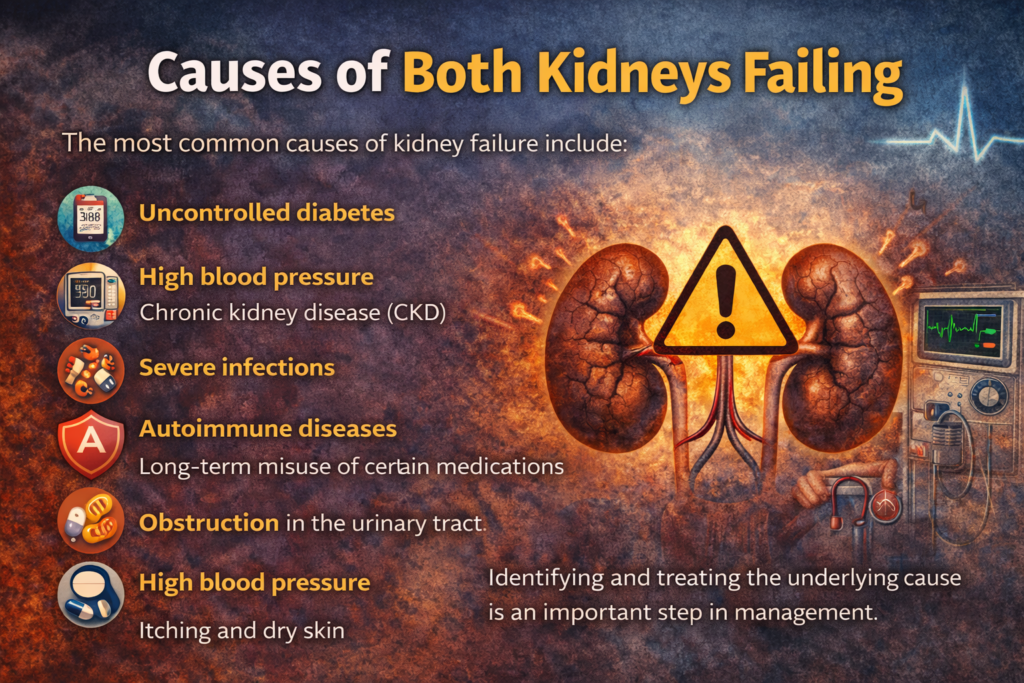
Causes of Both Kidneys Failing

  • The most common causes of kidney failure include:

    • Uncontrolled diabetes
    • High blood pressure
    • Chronic kidney disease (CKD)
    • Severe infections
    • Autoimmune diseases
    • Long-term misuse of certain medications
    • Obstruction in the urinary tract

Identifying and treating the underlying cause is an important step in management.

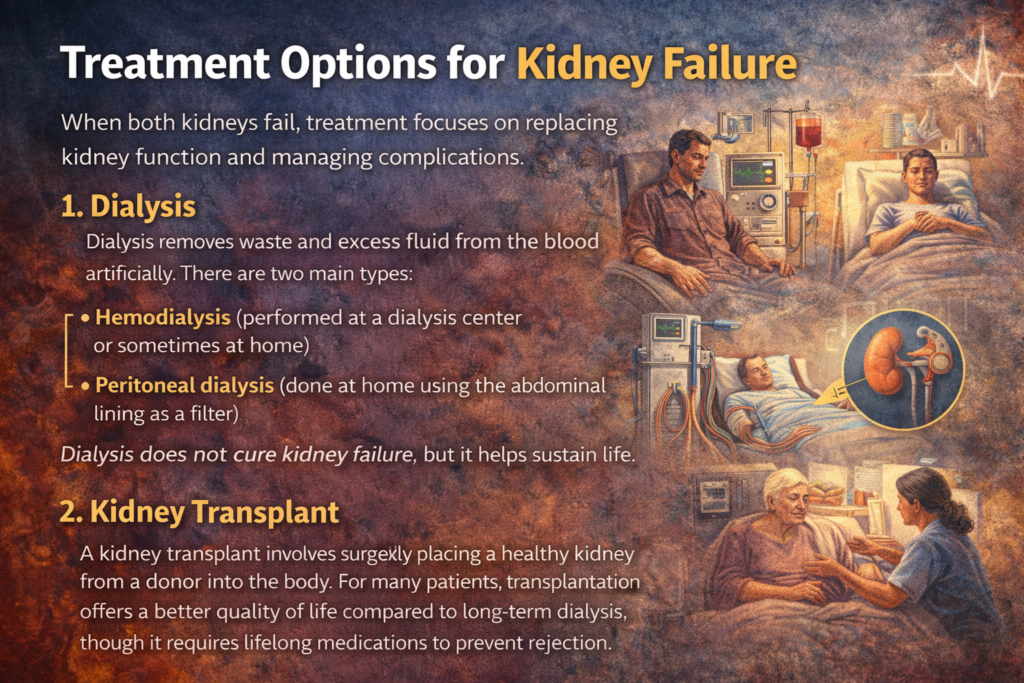
Treatment Options for Kidney Failure

  • When both kidneys fail, treatment focuses on replacing kidney function and managing complications.

    1. Dialysis

    Dialysis removes waste and excess fluid from the blood artificially. There are two main types:

    • Hemodialysis (performed at a dialysis center or sometimes at home)
    • Peritoneal dialysis (done at home using the abdominal lining as a filter)

    Dialysis does not cure kidney failure, but it helps sustain life.

    1. Kidney Transplant

    A kidney transplant involves surgically placing a healthy kidney from a donor into the body. For many patients, transplantation offers a better quality of life compared to long-term dialysis, though it requires lifelong medications to prevent rejection.

    1. Supportive Care

    In some cases, especially in elderly or critically ill patients, supportive or palliative care may be chosen to focus on comfort rather than aggressive treatment.


Final Thoughts

Both kidneys failing is a serious medical condition, but early detection and proper treatment can significantly improve outcomes. Regular health checkups, blood pressure control, diabetes management, and healthy lifestyle habits can help reduce the risk. If you notice any warning signs, consult a healthcare professional promptly—early action can save lives.

Can You Live a Healthy Life with One Kidney?

Yes, you absolutely can live a healthy and normal life with just one kidney. Many people are born with one kidney, donate a kidney to a loved one, or lose a kidney due to illness or injury—and still go on to live full, active lives.

Your kidneys are powerful organs. Even one healthy kidney can do the work needed to filter waste, remove extra fluids, balance minerals, and regulate blood pressure. In fact, when a person has only one kidney, it often adapts and works harder to compensate for the missing one.

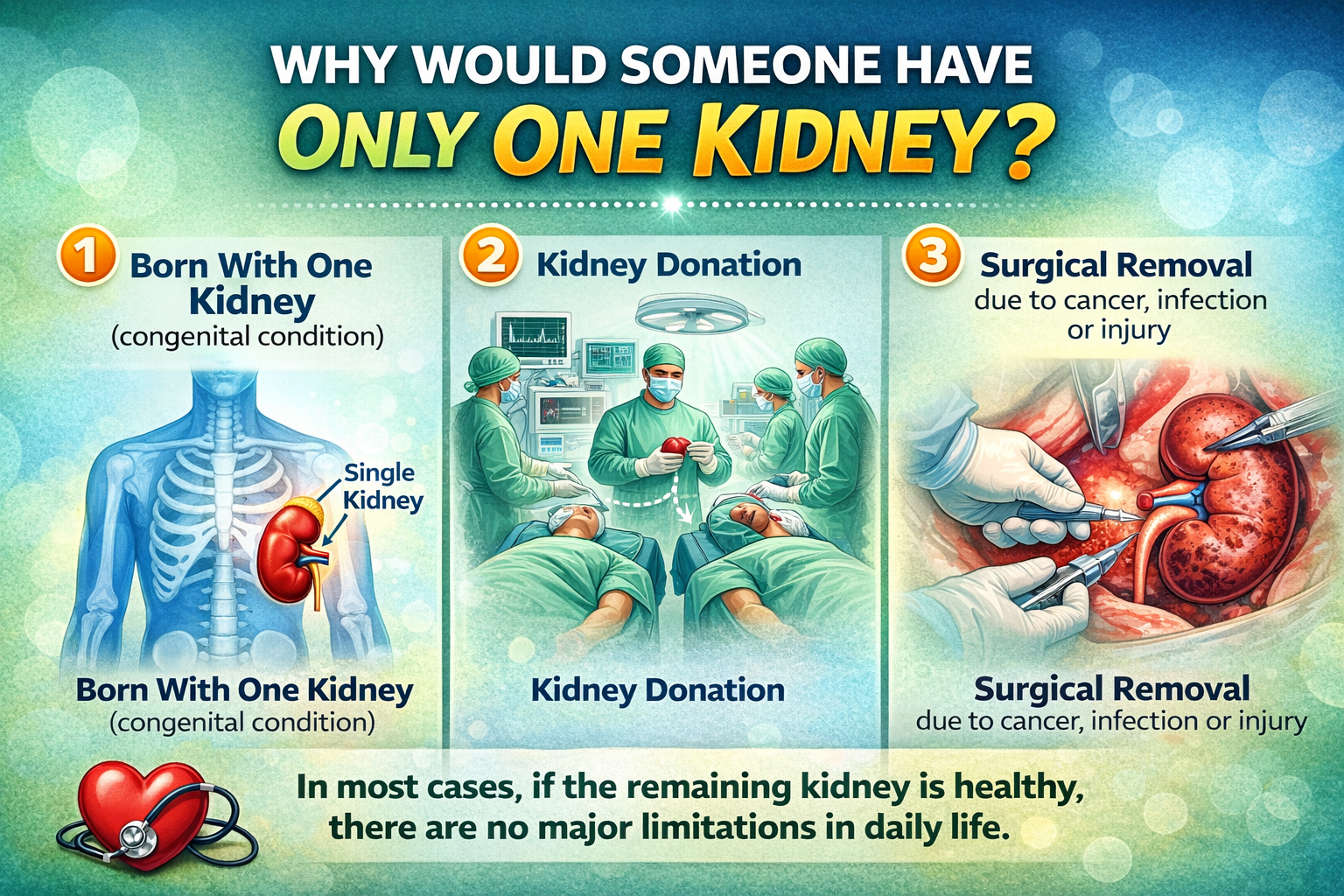
Why Would Someone Have Only One Kidney?

There are several reasons:

  • Born with one kidney (congenital condition)
  • Kidney donation
  • Surgical removal due to cancer, infection, or injury

In most cases, if the remaining kidney is healthy, there are no major limitations in daily life.

Can You Live Normally with One Kidney?

For most people, the answer is yes. You can:

  • Work a regular job
  • Exercise and stay active
  • Travel
  • Have children
  • Follow a normal routine

However, protecting your kidney becomes very important. Since you only have one, keeping it healthy is essential.

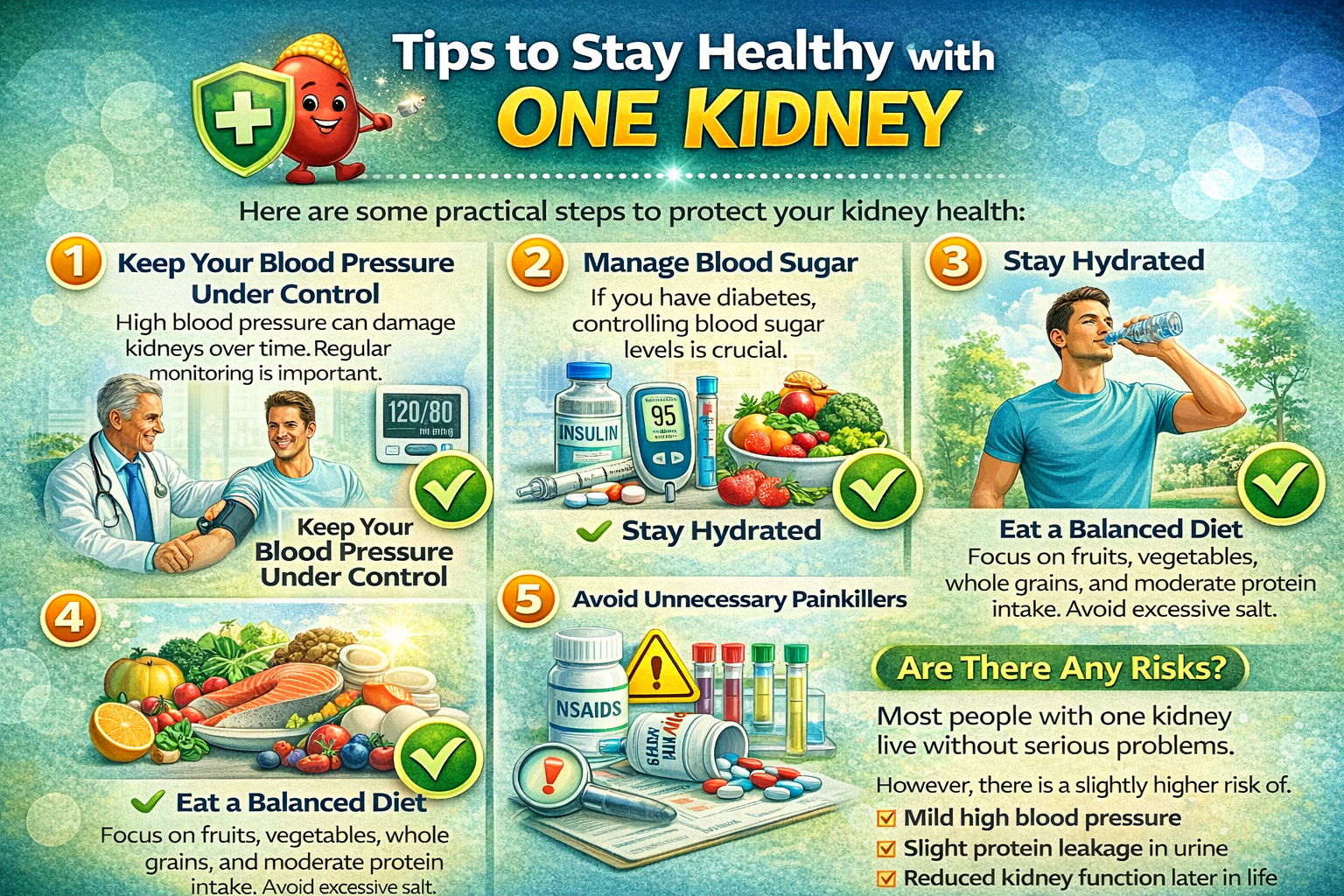
Tips to Stay Healthy with One Kidney

Here are some practical steps to protect your kidney health:

  1. Keep Your Blood Pressure Under Control

High blood pressure can damage kidneys over time. Regular monitoring is important.

  1. Manage Blood Sugar

If you have diabetes, controlling blood sugar levels is crucial.

  1. Stay Hydrated

Drinking enough water helps your kidney filter waste properly.

  1. Eat a Balanced Diet

Focus on fruits, vegetables, whole grains, and moderate protein intake. Avoid excessive salt.

  1. Avoid Unnecessary Painkillers

Overuse of certain medications like NSAIDs can strain the kidney.

  1. Regular Health Checkups

Routine blood and urine tests help ensure your kidney is functioning well..

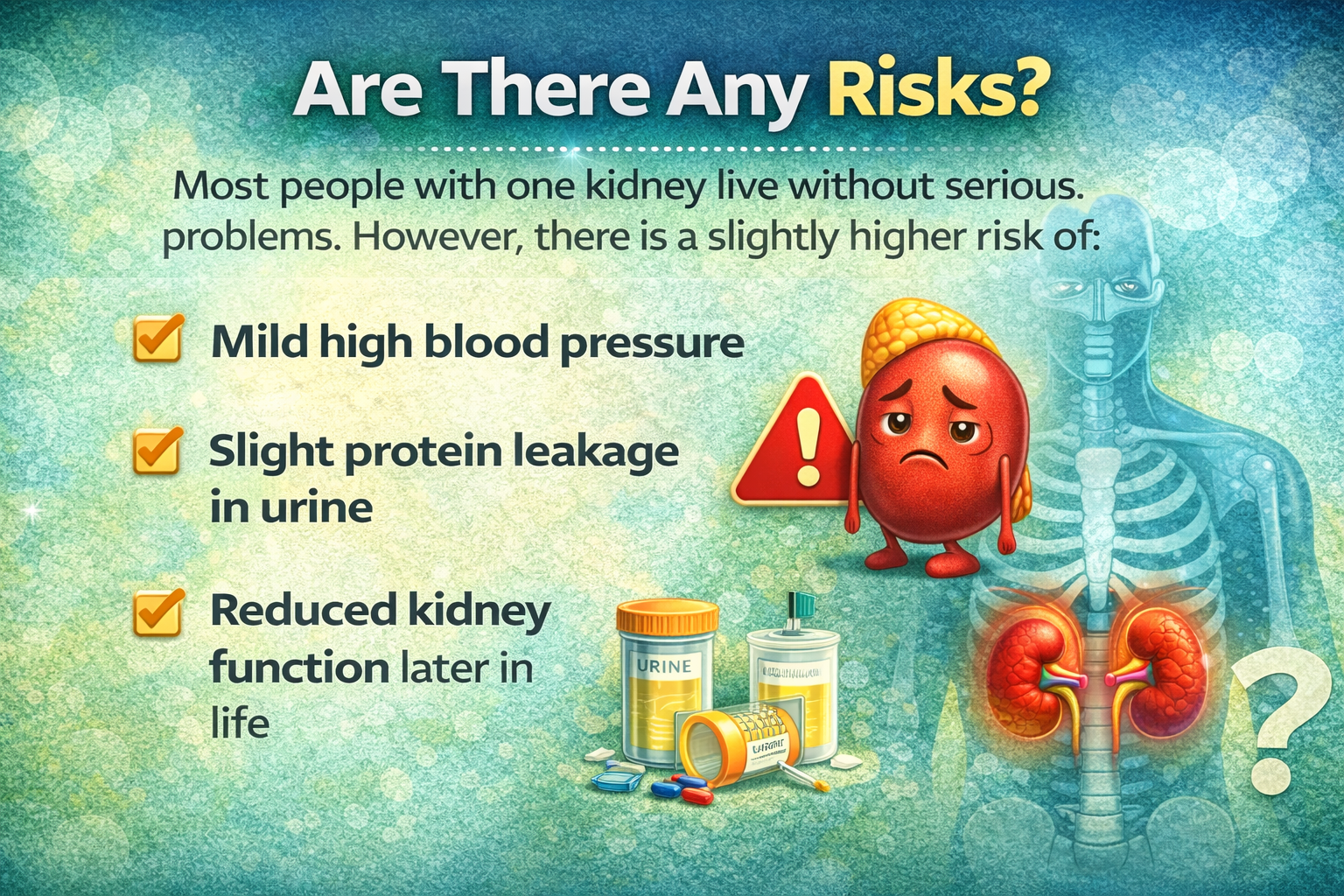
Are There Any Risks?

Most people with one kidney live without serious problems. However, there is a slightly higher risk of:

  • Mild high blood pressure
  • Slight protein leakage in urine
  • Reduced kidney function later in life

This is why long-term monitoring is recommended.

Final Thoughts

Living with one kidney is not a limitation—it’s a responsibility. With healthy habits and regular medical checkups, you can live a long, active, and fulfilling life. The key is awareness and prevention.

Frequently Asked Questions (FAQs)

  1. Can I exercise if I have one kidney?

Yes. Regular exercise is encouraged. However, for contact sports, consult your doctor about protective measures.

  1. Do I need a special diet?

Not always. Most people can eat normally but should avoid excessive salt and very high-protein diets.

  1. Can I drink alcohol?

Moderate alcohol may be acceptable, but it’s best to consult your doctor based on your health condition.

  1. Can women with one kidney have a healthy pregnancy?

Yes, many women with one healthy kidney have successful pregnancies. Regular monitoring is important.

  1. How often should I get kidney tests done?

Usually once a year, but your doctor may suggest more frequent tests depending on your health.


Stress and Dialysis: How Your Mind Affects Your Body

Living with dialysis is not just a physical journey — it’s an emotional one too. While most people focus on lab reports, creatinine levels, and treatment schedules, mental health often gets less attention. But the truth is simple: your mind and body are deeply connected. Stress can directly and indirectly affect how you feel during and after dialysis.

Understanding the Mind-Body Connection

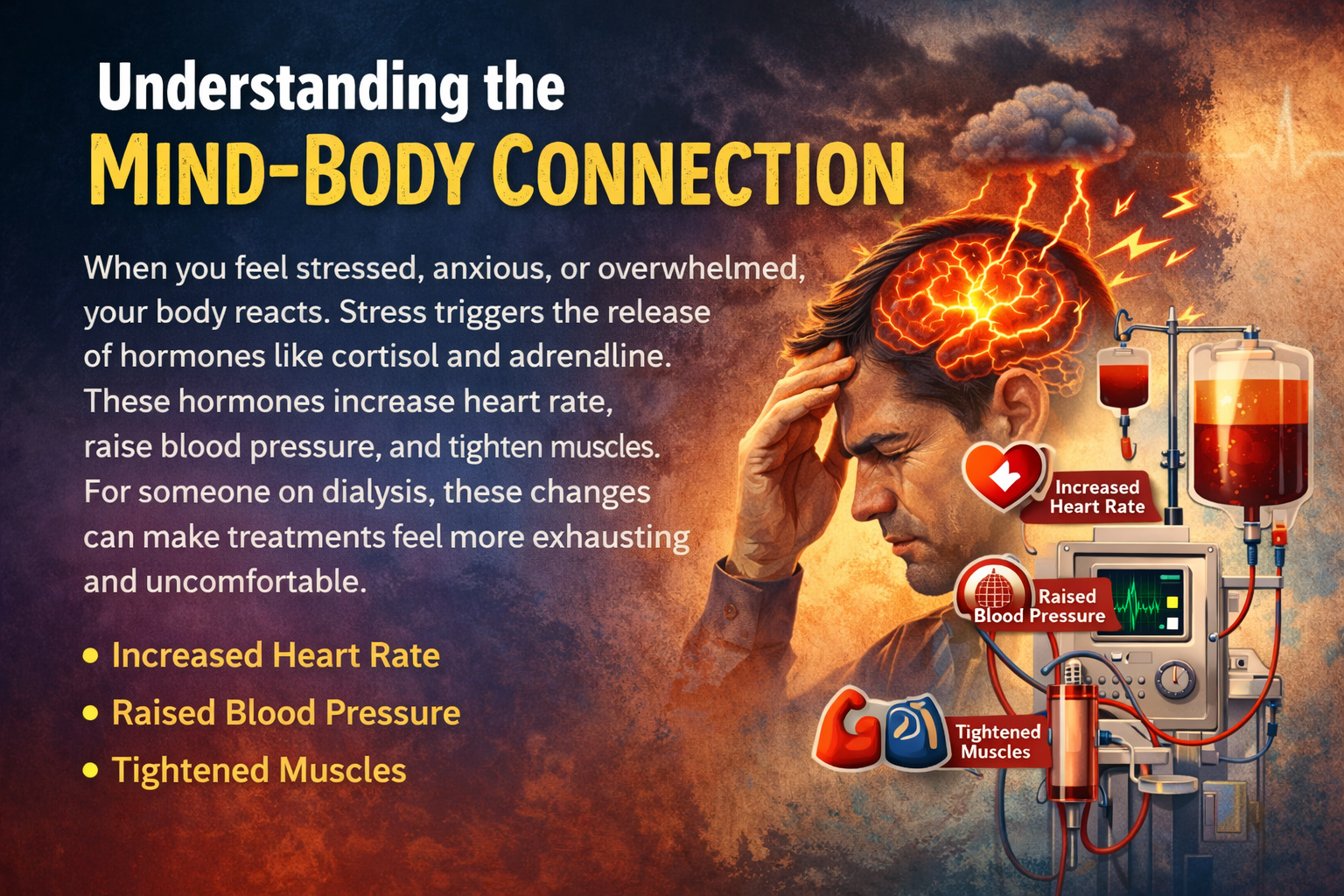
When you feel stressed, anxious, or overwhelmed, your body reacts. Stress triggers the release of hormones like cortisol and adrenaline. These hormones increase heart rate, raise blood pressure, and tighten muscles. For someone on dialysis, these changes can make treatments feel more exhausting and uncomfortable.

Dialysis already places physical demands on the body. Adding emotional stress can worsen fatigue, disturb sleep, reduce appetite, and even affect blood pressure control during sessions.

How Stress Can Affect Dialysis Patients

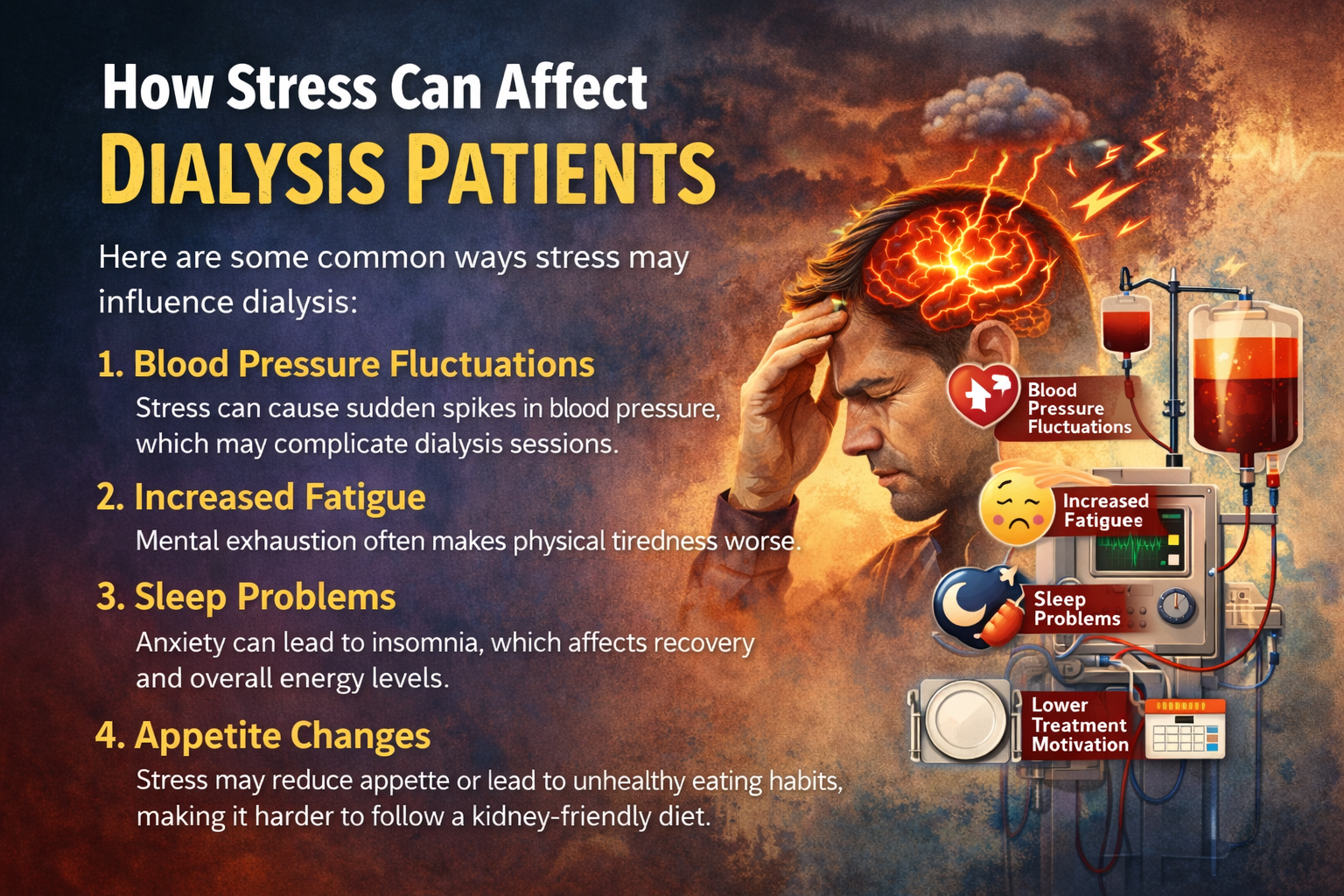
Here are some common ways stress may influence dialysis:

  1. Blood Pressure Fluctuations

Stress can cause sudden spikes in blood pressure, which may complicate dialysis sessions.

  1. Increased Fatigue

Mental exhaustion often makes physical tiredness worse.

  1. Sleep Problems

Anxiety can lead to insomnia, which affects recovery and overall energy levels.

  1. Appetite Changes

Stress may reduce appetite or lead to unhealthy eating habits, making it harder to follow a kidney-friendly diet.

  1. Lower Treatment Motivation

Feeling emotionally drained can make it difficult to stay consistent with medications, diet, or dialysis schedules.

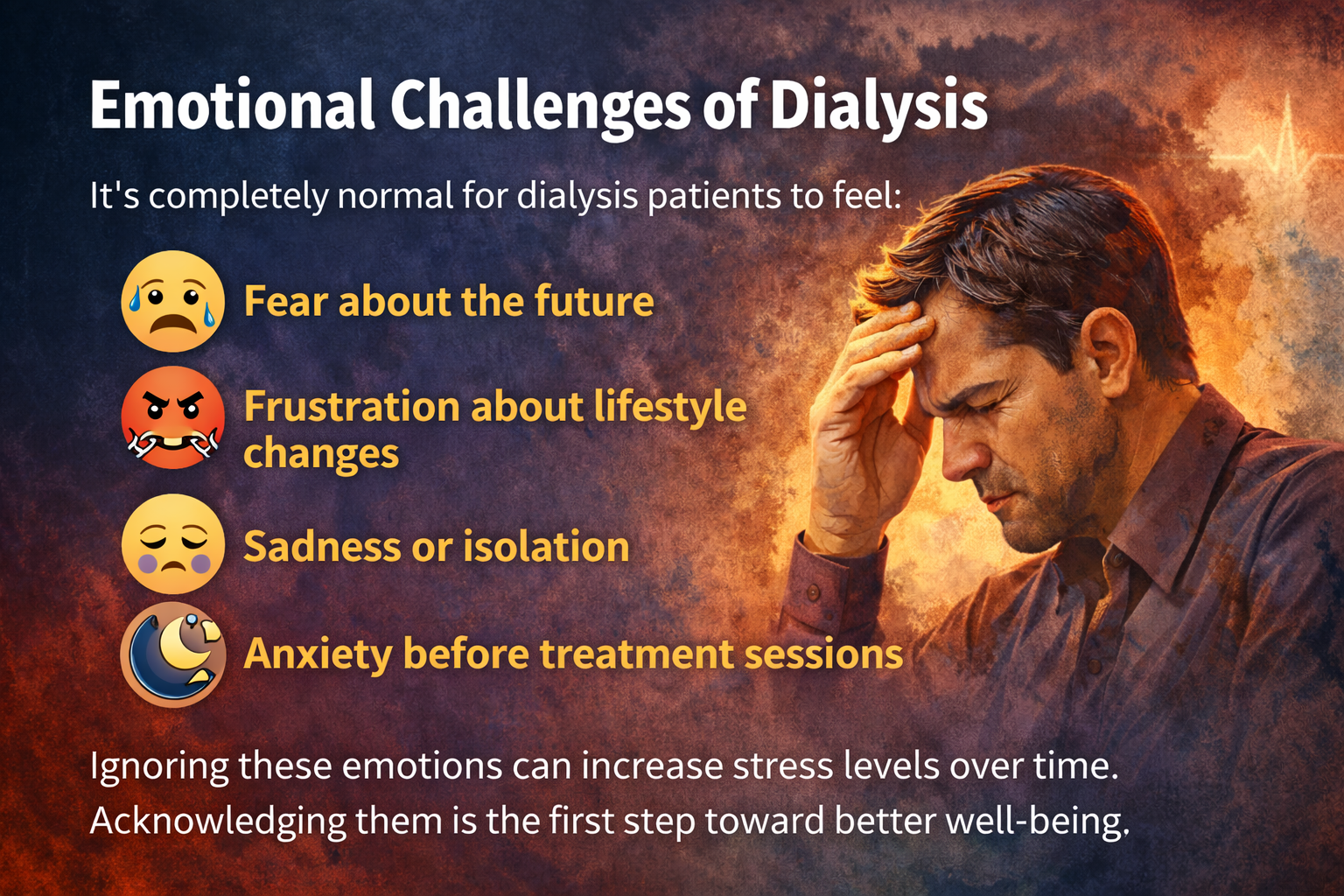
Emotional Challenges of Dialysis

It’s completely normal for dialysis patients to feel:

  • Fear about the future
  • Frustration about lifestyle changes
  • Sadness or isolation
  • Anxiety before treatment sessions

Ignoring these emotions can increase stress levels over time. Acknowledging them is the first step toward better well-being.

Managing Stress During Dialysis

The good news is that stress can be managed. Small steps can make a big difference:

  • Practice deep breathing or meditation
  • Listen to calming music during sessions
  • Stay connected with family and friends
  • Join a dialysis support group
  • Talk openly with your healthcare team
  • Maintain light physical activity if allowed

Sometimes, speaking with a counselor or mental health professional can also be very helpful.

Conclusion

Dialysis treats your kidneys, but caring for your mental health supports your whole body. Managing stress doesn’t just improve your mood — it can help stabilize blood pressure, improve sleep, and enhance your overall quality of life. Remember, taking care of your mind is not optional; it’s part of your treatment.

Frequently Asked Questions (FAQs)

Can stress really affect my dialysis results?

Yes. Stress can influence blood pressure, sleep, appetite, and overall energy, which may impact your treatment experience.

Is feeling anxious before dialysis normal?

Absolutely. Many patients feel nervous. Talking about your fears can help reduce anxiety.

Can stress cause complications during dialysis

Severe stress may contribute to blood pressure changes or discomfort during sessions.

What is the best way to relax during dialysis?

Deep breathing, guided meditation, music, or watching something light can help you stay calm.

How to Change my Photo from Admin Dashboard?

Far far away, behind the word mountains, far from the countries Vokalia and Consonantia, there live the blind texts. Separated they live in Bookmarksgrove right at the coast

Should I talk to my doctor about stress?

Yes. Mental health is an important part of kidney care. Your healthcare team can guide you toward proper support. Your body listens to your mind. When you care for both, dialysis becomes more manageable and life feels more balanced.

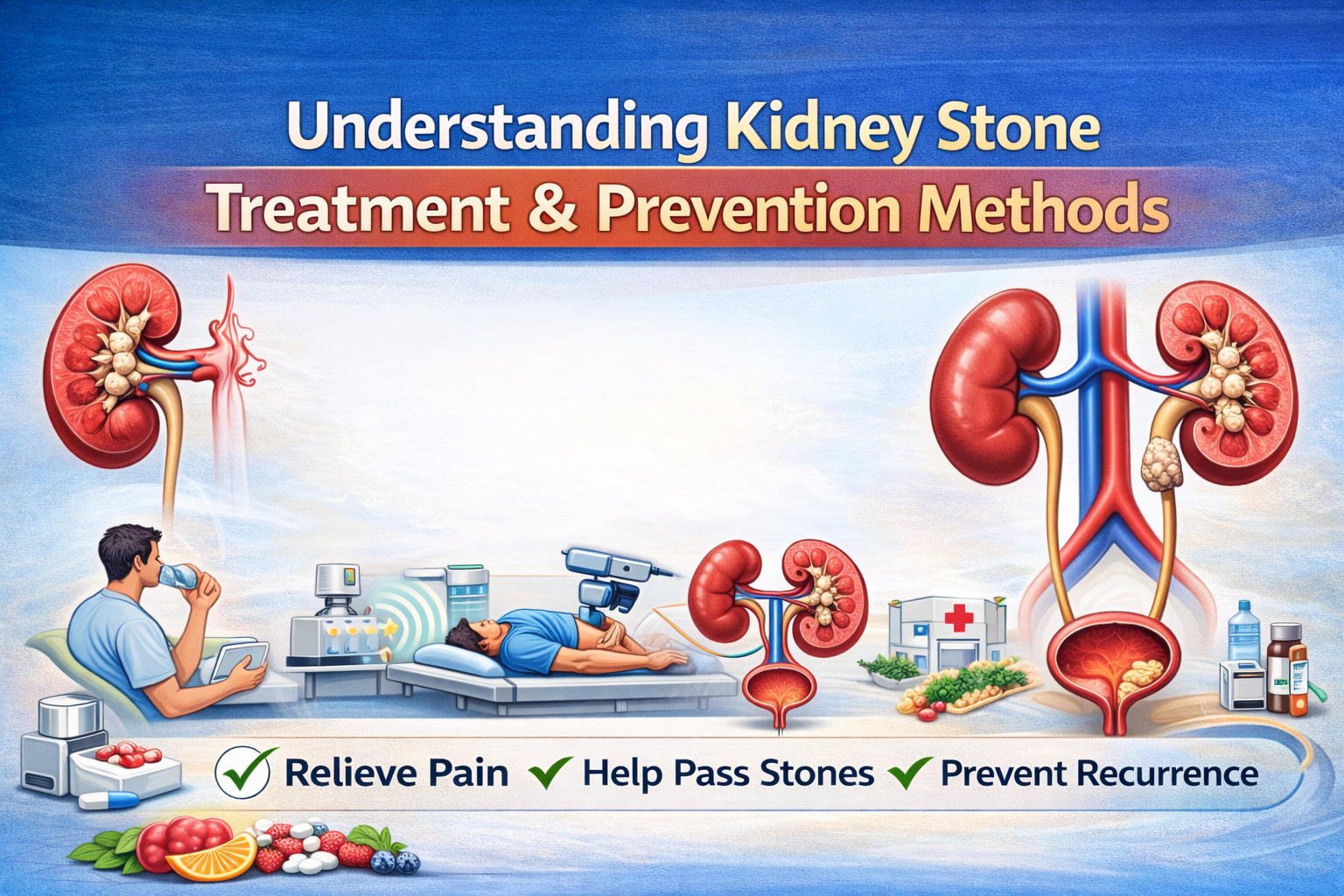
Understanding Kidney Stone Treatment Options and Prevention Methods

Kidney stones are a common health problem that can affect people of any age. They form when minerals and salts in the urine stick together and become hard deposits inside the kidneys. The symptoms, treatment, and chances of getting stones again depend on the size, type, and location of the stone, as well as your overall health. Understanding treatment options and prevention methods helps keep your kidneys healthy in the long run.

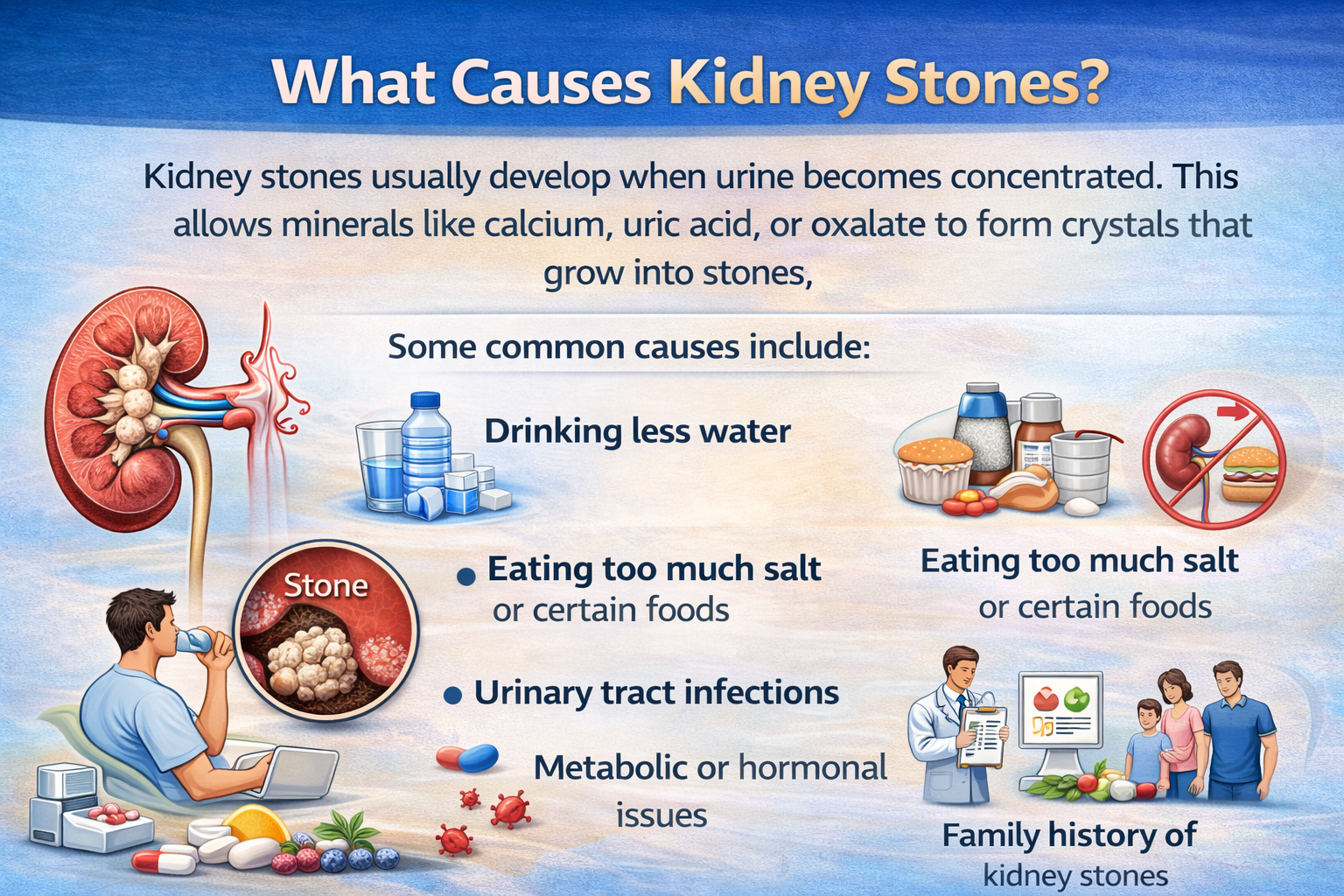
What Causes Kidney Stones?

Kidney stones usually develop when urine becomes concentrated. This allows minerals like calcium, uric acid, or oxalate to form crystals that grow into stones.

Some common causes include:

  • Drinking less water
  • Eating too much salt or certain foods
  • Urinary tract infections
  • Metabolic or hormonal issues
  • Family history of kidney stones


Some people get stones only once, while others may experience them repeatedly. Dehydration, high calcium in urine, or certain health conditions can increase the risk. Stones can stay silent for years, but when they move, they often cause severe pain.

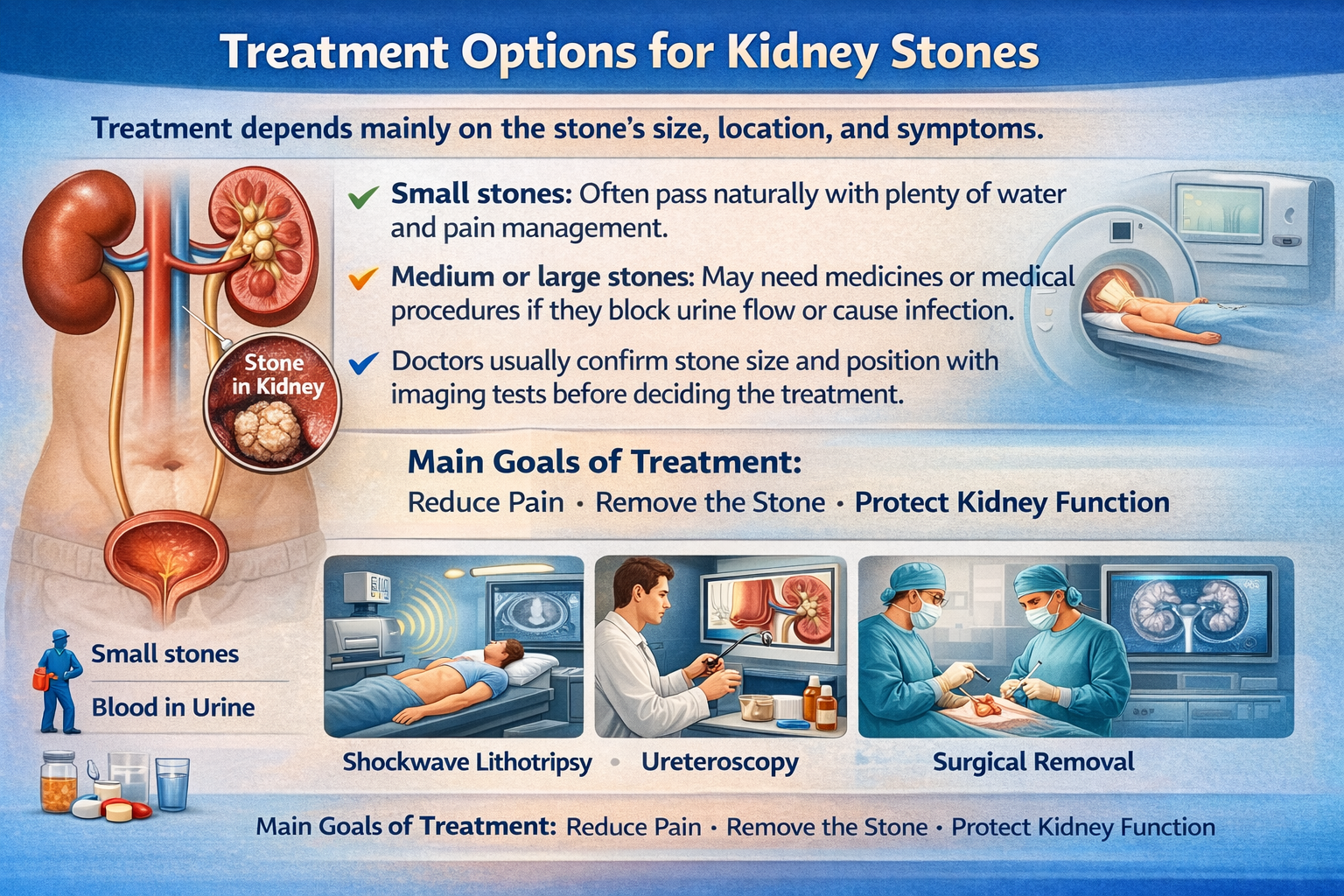
Treatment Options for Kidney Stones

Treatment depends mainly on the stone’s size, location, and symptoms.

  • Small stones: Often pass naturally with plenty of water and pain management.
  • Medium or large stones: May need medicines or medical procedures if they block urine flow or cause infection.
  • Doctors usually confirm stone size and position with imaging tests before deciding the treatment.

The main goals of treatment are simple — reduce pain, remove the stone, and protect kidney function.

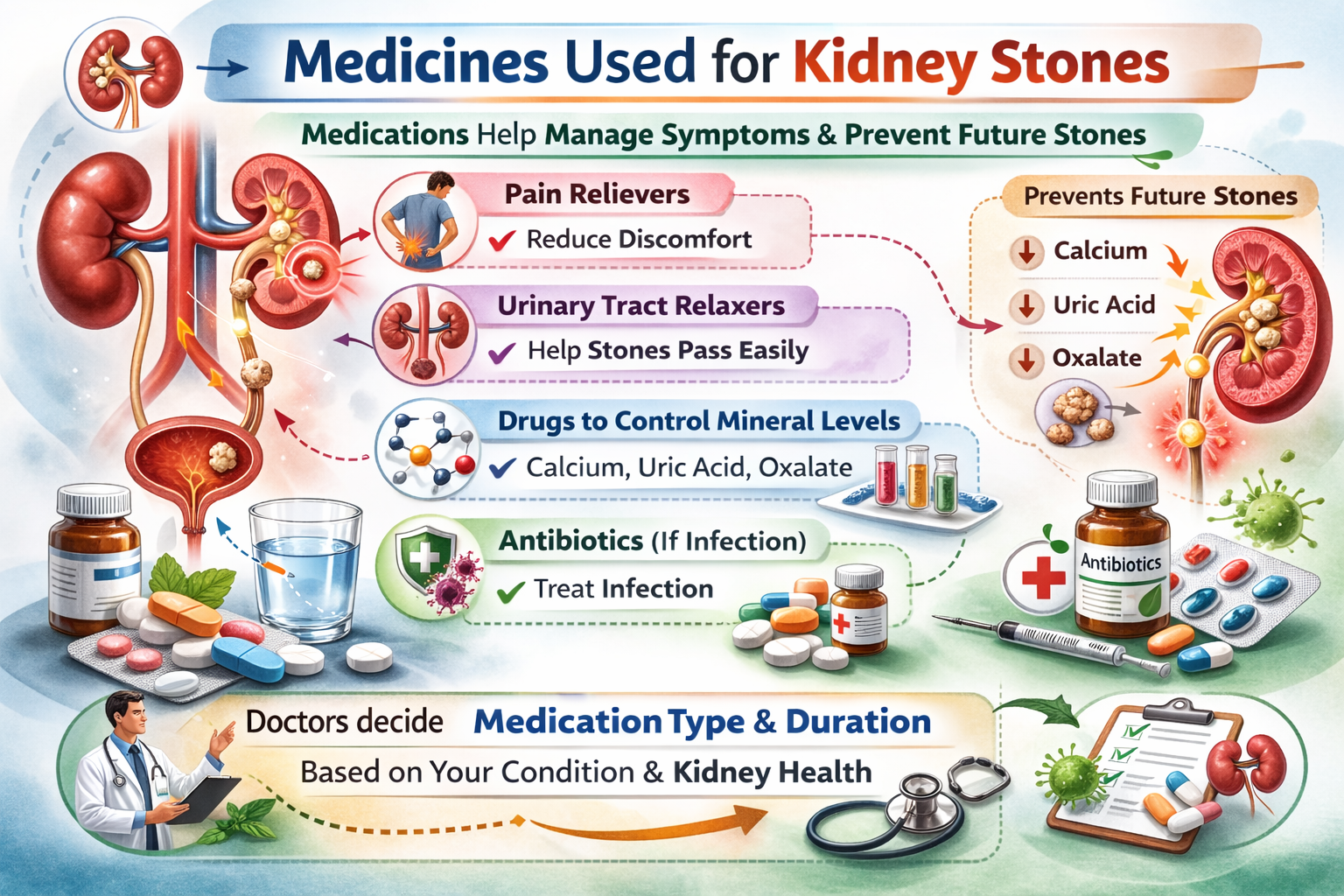
Medicines Used for Kidney Stones

Medications are often used to help manage symptoms and prevent future stones:

  • Pain relievers to reduce discomfort
  • Medicines that relax the urinary tract to help stones pass easily
  • Drugs that control calcium, uric acid, or oxalate levels
  • Antibiotics if infection is present


Doctors decide the medication type and duration based on your condition and kidney health.

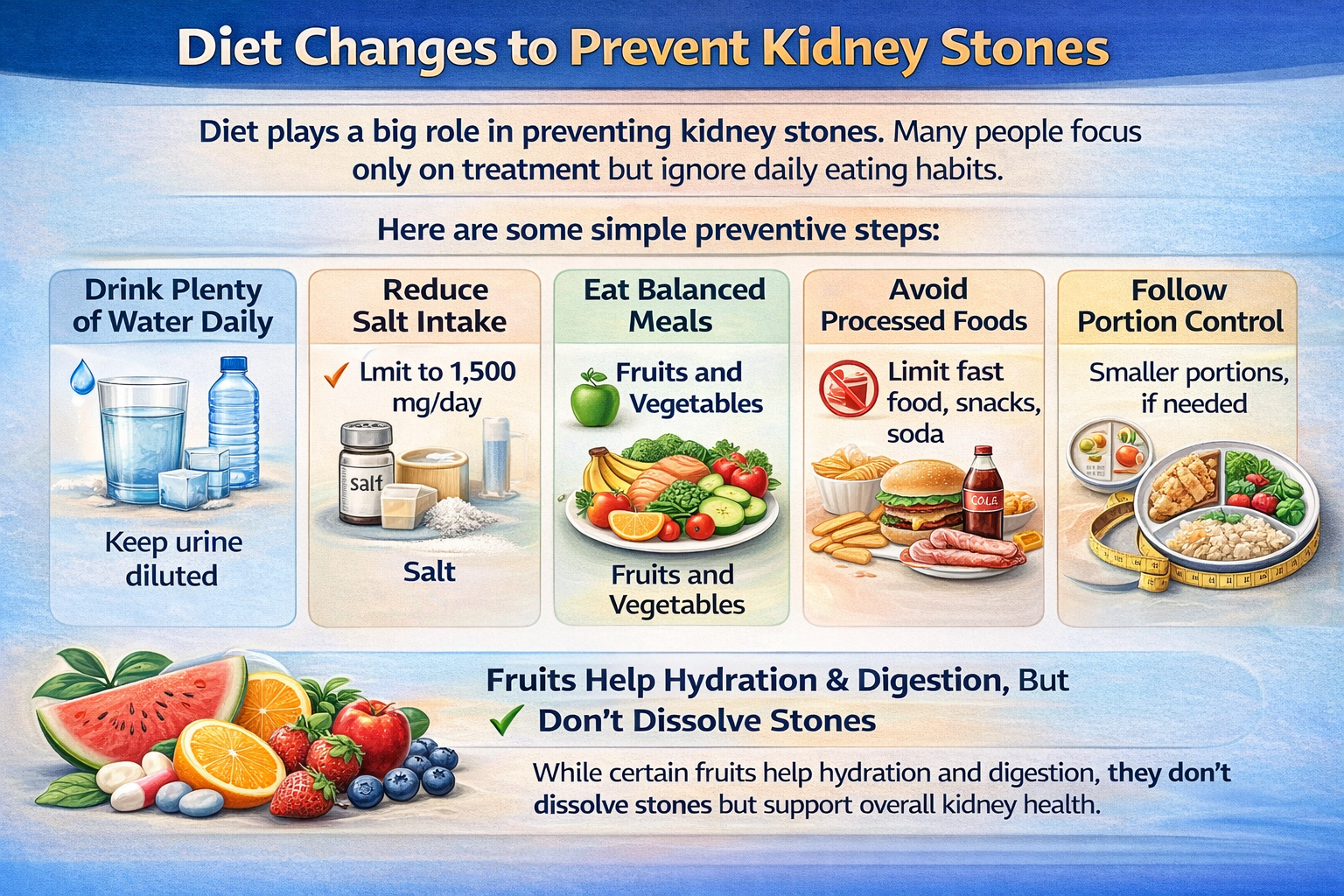
Diet Changes to Prevent Kidney Stones

Diet plays a big role in preventing kidney stones. Many people focus only on treatment but ignore daily eating habits.

Here are some simple preventive steps:

  • Drink plenty of water daily
  • Reduce salt intake
  • Eat balanced meals with fruits and vegetables
  • Avoid excessive processed foods
  • Follow portion control if you have kidney issues

While certain fruits help hydration and digestion, they don’t dissolve stones but support overall kidney health.

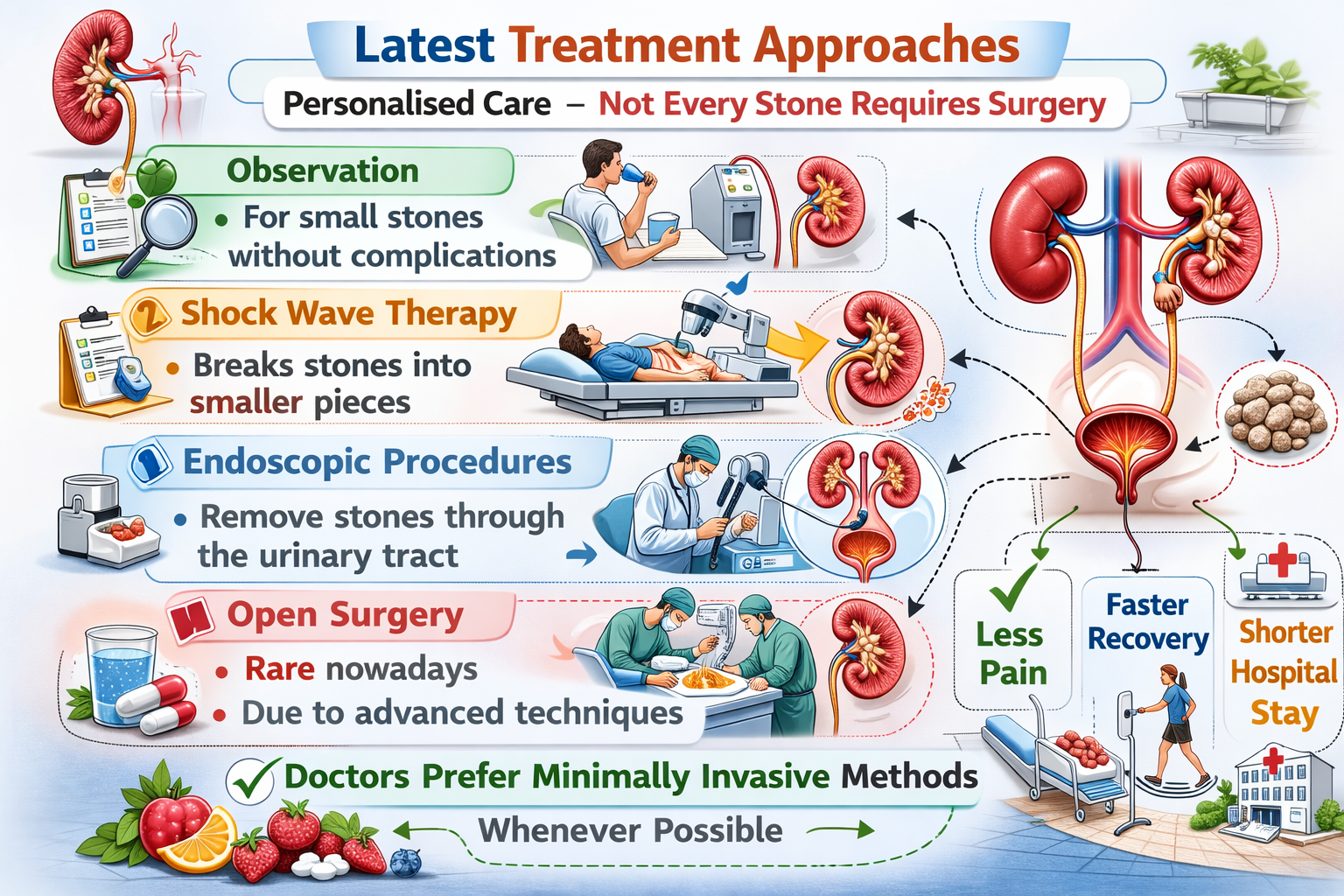
Latest Treatment Approaches

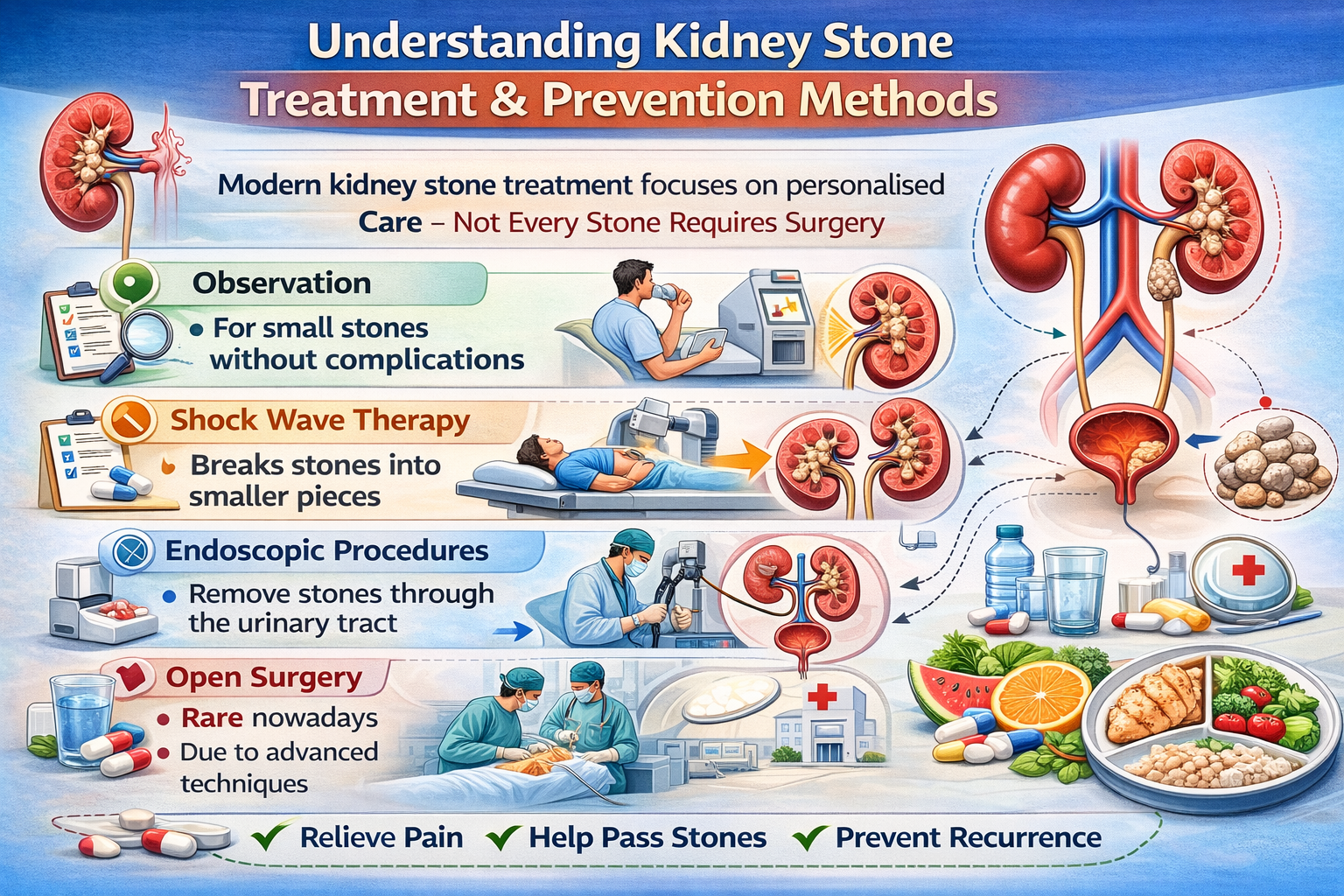
Modern kidney stone treatment focuses on personalised care. Not every stone requires surgery.

Common approaches include:

  • Observation: For small stones without complications
  • Shock wave therapy: Breaks stones into smaller pieces
  • Endoscopic procedures: Remove stones through the urinary tract
  • Open surgery: Rare nowadays due to advanced techniques

Doctors usually choose minimally invasive methods whenever possible.


Conclusion

Kidney stones can cause severe pain, but effective treatments are available. From medicines to advanced procedures, treatment focuses on relief and protecting kidney health. Prevention mainly depends on simple daily habits like staying hydrated, eating a balanced diet, and regular medical check-ups.

People who frequently get stones or have kidney problems should consult a kidney specialist for proper evaluation and long-term prevention. Expert guidance helps identify the stone type, risk factors, and the best prevention plan.

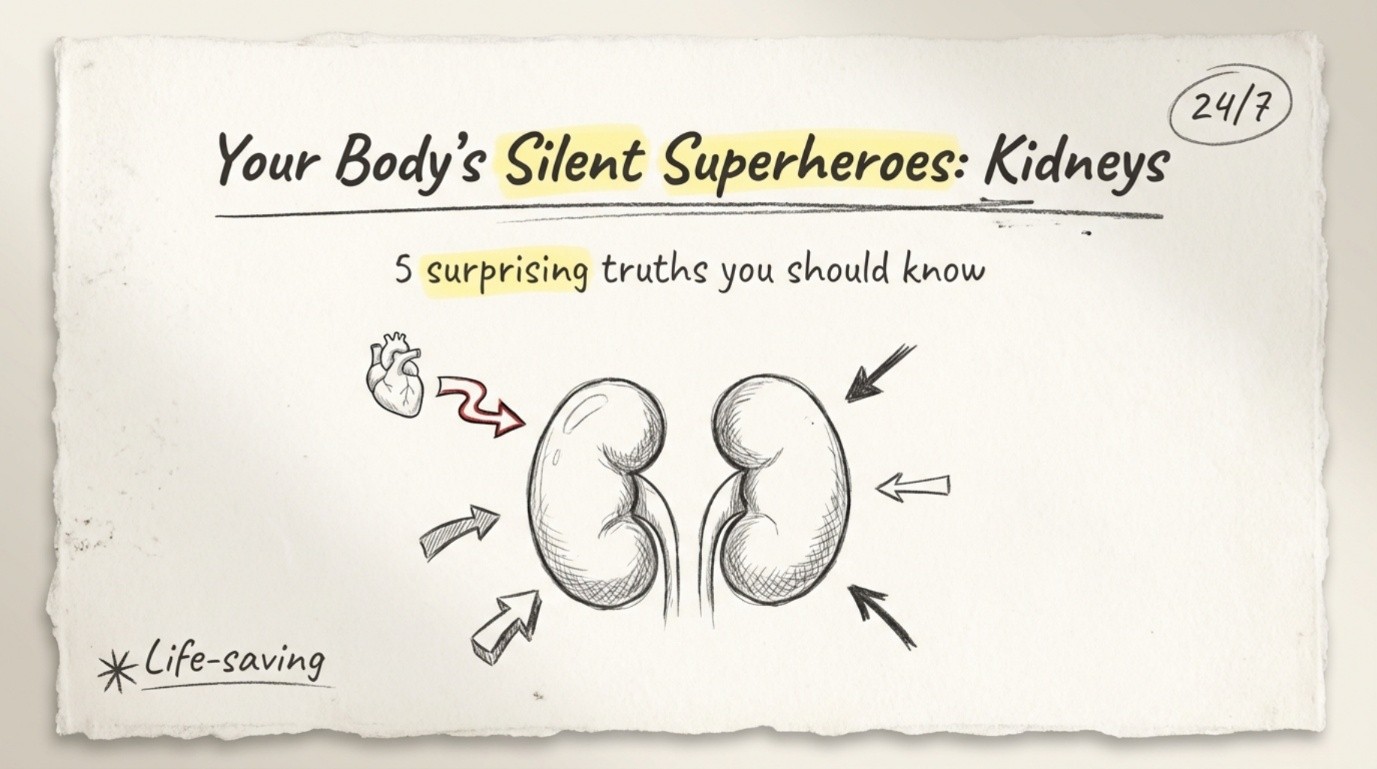
Your Body’s Silent Superheroes: 5 Surprising Truths About Your Kidneys

Deep within your abdomen, working tirelessly 24/7, are two of your body’s most vital but often overlooked organs: your kidneys. We rarely give them a second thought, yet these amazing organs play a major role in keeping us clean and healthy, flushing out toxins and maintaining a delicate internal balance.

But these bean-shaped powerhouses hold some surprising secrets, and common misconceptions often surround their care. In an era marked by a dramatic and alarming increase in kidney disease, largely driven by rising rates of diabetes and hypertension, understanding these truths has never been more urgent. What if a serious kidney disease could have no symptoms at all?

This article will reveal five of the most impactful and counter-intuitive facts about your kidneys. Drawing from the comprehensive guide “Save Your Kidney,” we’ll uncover the truth behind their incredible power, their hidden vulnerabilities, and what you need to know to protect them.

1. Your kidneys filter a staggering amount of blood every single day.

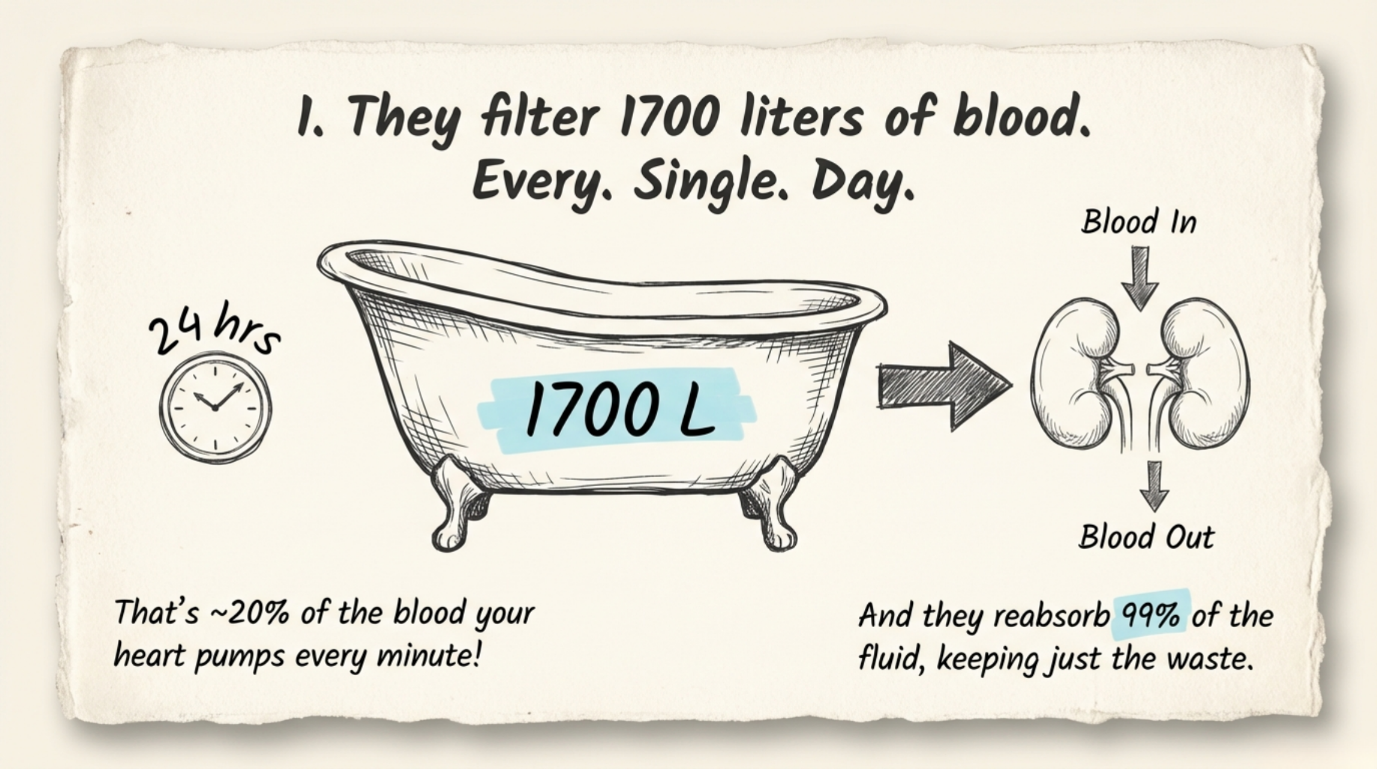
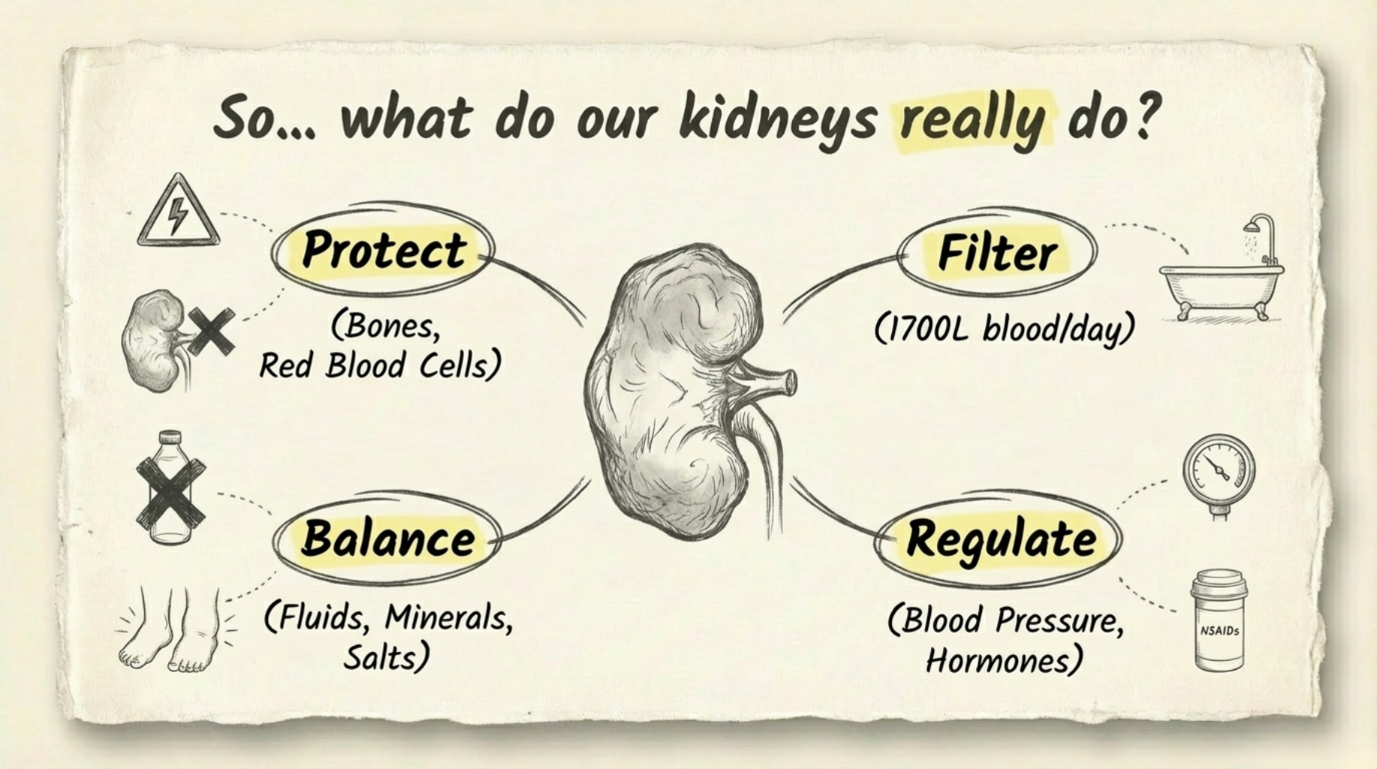
It’s difficult to overstate the sheer volume of work your kidneys perform. Every single day, they purify approximately 1700 liters of blood—enough to fill a dozen bathtubs. From this, they initially form about 180 liters of urine, but with incredible intelligence, they reabsorb over 99% of this fluid, retaining essential substances and excreting only the waste and excess water.

Did you know that every minute 1200 ml of blood enters in both kidneys for purification, which is 20% of the total blood pumped by the heart? So in one day 1700 liters of blood is purified!

This constant, high-volume process highlights the incredible efficiency of your body’s natural purification system, which works silently around the clock to keep your blood clean.

2. They’re multi-tasking managers, not just waste removers.

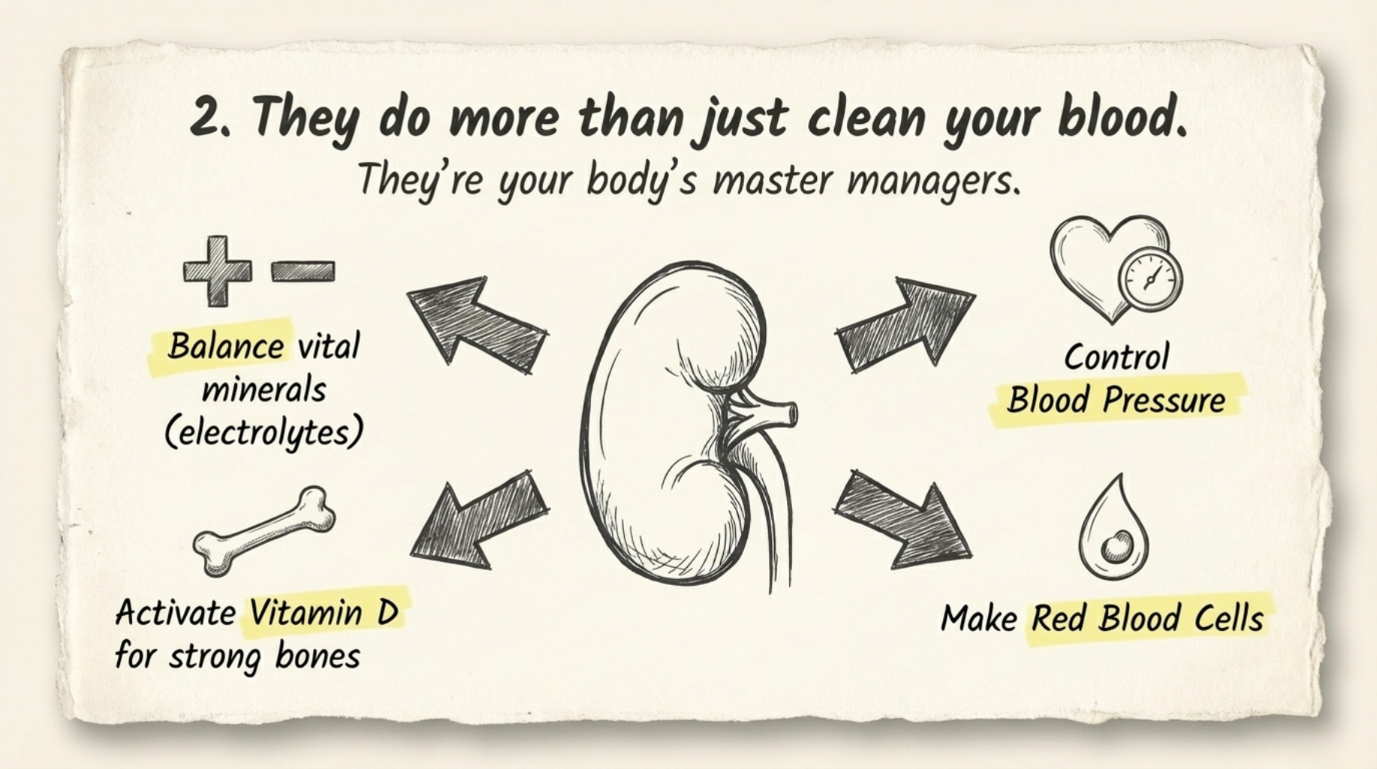
While filtering waste is their most famous job, it’s far from their only one. Your kidneys are masters of multitasking, performing several other functions that are absolutely critical for your overall health.

  • Regulating blood pressure: They produce several hormones that play a vital role in controlling your blood pressure.
  • Stimulating red blood cell production: They produce a hormone called erythropoietin, which is essential for creating red blood cells and preventing anemia.
  • Activating vitamin D: Kidneys convert vitamin D into its active form, which is necessary for absorbing calcium and maintaining healthy bones and teeth.
  • Balancing body chemistry: They meticulously regulate minerals like sodium and potassium, which are crucial for nerve function and can have serious effects on the rhythm of the heart.

Though its primary function is to remove toxins from the body, it is not the only function. The kidney also plays a crucial role in regulating blood pressure, volume of fluid and electrolytes in the body.

3. You can feel perfectly fine while having chronic kidney disease.

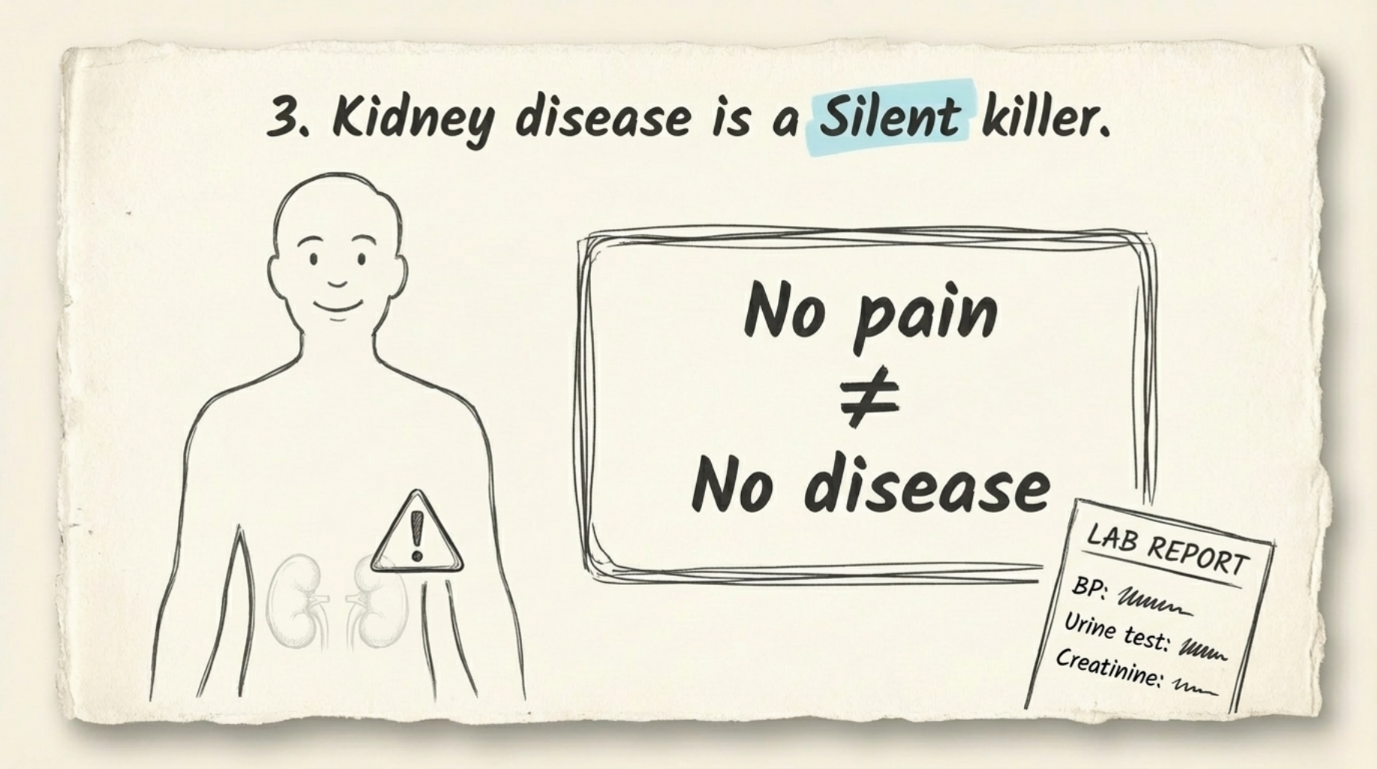
One of the most dangerous aspects of chronic kidney disease (CKD) is that it is often completely asymptomatic in its early stages. You can lose a significant amount of kidney function without experiencing a single symptom, feeling perfectly healthy as the damage progresses silently.

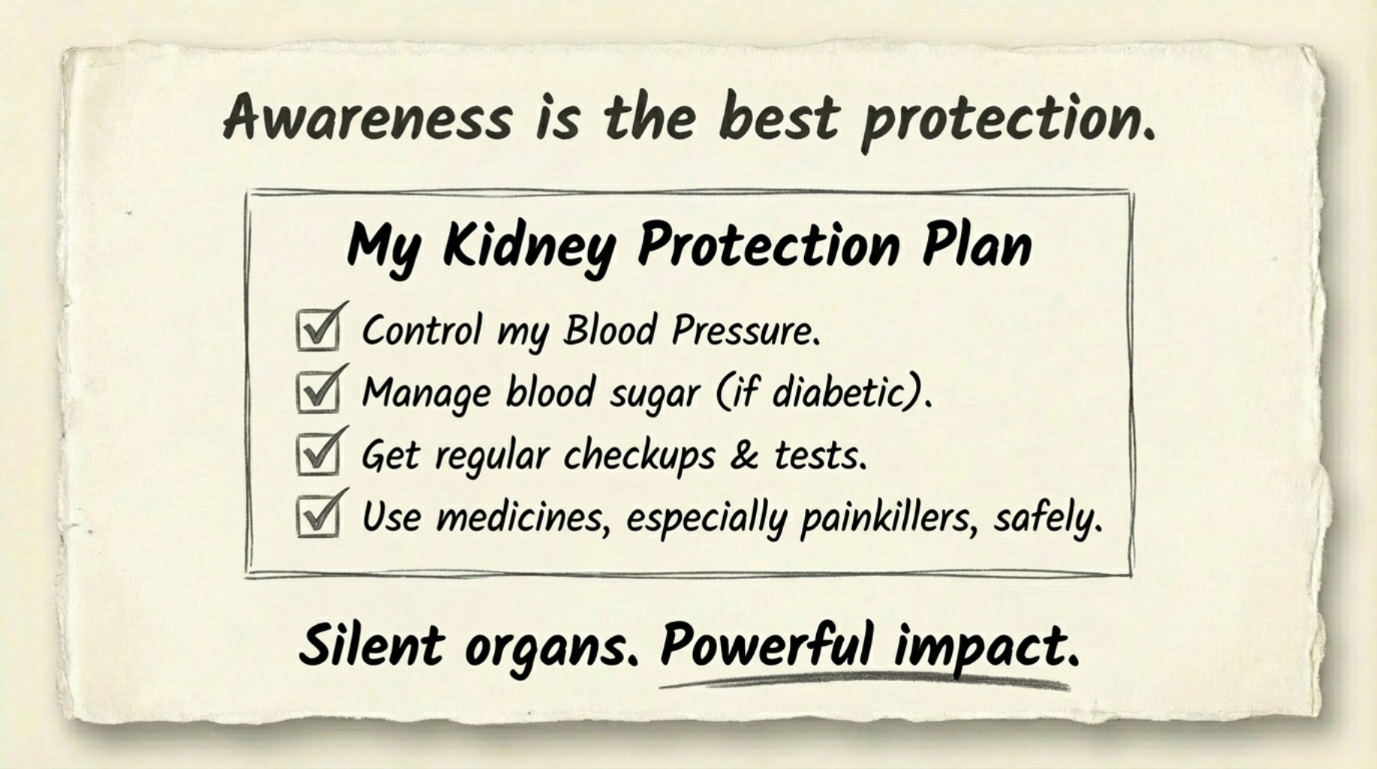
This “silent” nature is why awareness is so critical. Because you can’t rely on how you feel, simple screening tests—like a blood pressure check, a urine test for protein (albumin), and a blood test for creatinine—are the only way to detect the disease early enough to slow its progression.

Most of the patients are asymptomatic (showing no symptoms) in early stages of chronic kidney disease. Abnormal values in laboratory tests are the only clue of its presence at this stage.

This fact underscores the importance of regular check-ups, especially for individuals with major risk factors like diabetes and high blood pressure, which are the two leading causes of CKD.

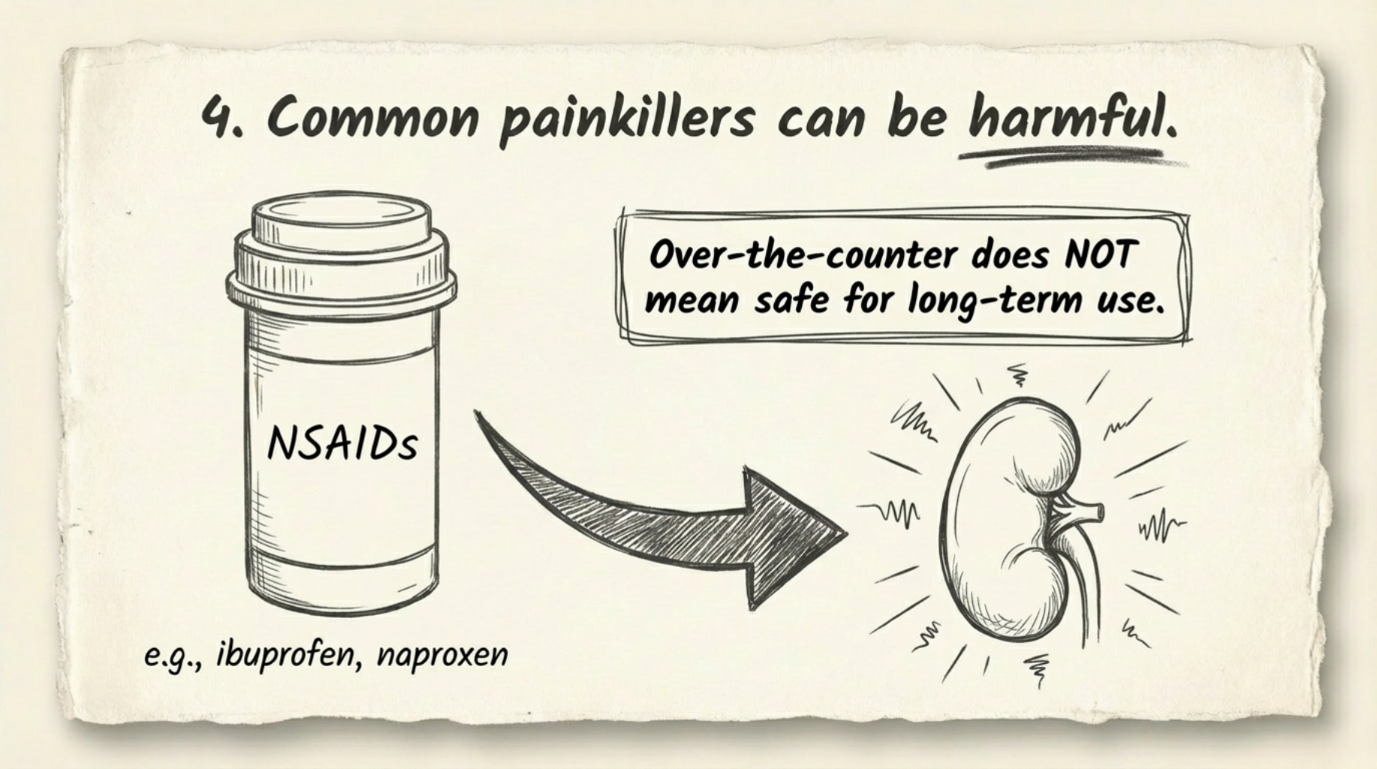
4. Over-the-counter painkillers can be a hidden danger.

4. Over-the-counter painkillers can be a hidden danger.

That bottle of painkillers in your medicine cabinet could pose a significant risk to your kidneys if not used carefully. Overusing common, over-the-counter drugs known as non-steroidal anti-inflammatory drugs (NSAIDs)—such as ibuprofen—can cause serious kidney damage. The key danger lies in the misconception that “over-the-counter” means “harmless,” leading to unsupervised, long-term use that can be devastating to kidney health.

In fact, these drugs are the second most common cause of drug-induced kidney damage. The risk is even higher for the elderly, individuals with pre-existing kidney problems, or anyone who takes them for long periods without a doctor’s supervision.

Don’t overuse over-the-counter painkillers on a regular basis. Common drugs such as NSAIDs like ibuprofen are known to cause kidney damage and kidney failure.

5. The advice to "drink lots of water" is not a universal rule for kidney patients.

We often hear that drinking plenty of water is one of the best things we can do for our kidneys. While this is true for preventing kidney stones or urinary tract infections in people with normal kidney function, it is a dangerous myth for many patients with established kidney disease. For patients whose kidneys can no longer effectively remove excess fluid—a condition often marked by reduced urine output and swelling, known as edema—water restriction is necessary. In these cases, drinking too much water can lead to dangerous fluid overload, causing severe swelling and shortness of breath.

We often hear that drinking plenty of water is one of the best things we can do for our kidneys. While this is true for preventing kidney stones or urinary tract infections in people with normal kidney function, it is a dangerous myth for many patients with established kidney disease.

For patients whose kidneys can no longer effectively remove excess fluid—a condition often marked by reduced urine output and swelling, known as edema—water restriction is necessary. In these cases, drinking too much water can lead to dangerous fluid overload, causing severe swelling and shortness of breath.

No. Reduced urine output leading to swelling is an important feature of many kidney diseases. So water restriction is necessary to maintain water balance in such patients with kidney disease.

Our kidneys are far more complex, powerful, and vulnerable than we often assume. They are not just simple filters but sophisticated managers of our body’s entire internal environment. Understanding these surprising truths—from their silent disease progression to the myths surrounding their care—is the first step toward protecting them.

Awareness is the best defense against a silent killer. Now that you know how much your kidneys do for you, what one small change can you make to help protect them for the future? In an era of rising diabetes and hypertension, that awareness is more critical than ever.


Author

Dr Deepak Agarwal

The Artificial Kidney Story: From Wartime Innovation to a Life-Saving Breakthrough

A Complete Guide for Patients & Families

When someone is diagnosed with End-Stage Kidney Disease (ESKD), one of the biggest decisions is choosing the right type of dialysis. This choice affects your medical treatment, lifestyle, independence, comfort, and long-term health.

This guide simplifies all dialysis options—Hemodialysis, Peritoneal Dialysis, Home Hemodialysis, and Nocturnal Dialysis—so you can make an informed decision with your nephrologist.

Hemodialysis (HD)

a medical personnel working on a patient

What It Is

Hemodialysis filters your blood using a dialysis machine and a dialyzer (“artificial kidney”).

Where It Happens

  • Dialysis centers
  • Hospitals
  • Home (for selected patients)

How Often

  • Typically 3 times a week,
  • 4–5 hours per session

Who Should Choose HD

  • ✔ Patients who want close medical supervision
  • ✔ Those uncomfortable managing dialysis at home
  • ✔ Patients with abdominal issues preventing PD
  • ✔ Anyone needing rapid correction of electrolytes or fluid overload

Benefits

  • Performed by trained technicians & nurses
  • Regular medical monitoring
  • Suitable for elderly or high-risk patients
  • Effective toxin and fluid removal

Limitations

  • Requires travel to a center
  • Fixed schedule
  • Possible post-dialysis fatigue

Cost & Accessibility in India

Hemodialysis is the most affordable and widely available dialysis modality in India.

  • Government hospitals / PMNDP: Free
  • Ayushman Bharat (PM-JAY): Coverage in empanelled hospitals
  • State schemes:
    • Delhi, Rajasthan (BSBY), Tamil Nadu (CMCHIS), Karnataka (Arogya Bhagya), others
  • Private hospitals: ₹1,200 – ₹3,000 per session
  • Corporate hospitals: ₹3,500 – ₹6,000 per session

Over 90% of Indian dialysis patients choose HD due to strong government support.

Peritoneal Dialysis (PD)

What It Is

PD uses the lining of your abdomen (peritoneum) as a natural filter.

Types

  • CAPD (Continuous Ambulatory Peritoneal Dialysis)
    Manual exchanges 3–4 times/day
  • APD (Automated Peritoneal Dialysis)
    Done at night using a machine while you sleep

Who Should Choose PD

  • ✔ Patients wanting flexibility & independence
  • ✔ Those living far from dialysis centers
  • ✔ Working professionals
  • ✔ Children & teenagers
  • ✔ Patients with good abdominal health and ability to maintain hygiene

Benefits

  • Can be done at home, office, or while travelling
  • No needles
  • More stable BP & fluid control
  • Greater independence and privacy

Limitations

  • Requires strict hygiene
  • Risk of peritonitis
  • Not suitable for patients with multiple abdominal surgeries or hernias

Cost & Accessibility in India

PD is convenient but more expensive due to consumables.

  • PD bags (daily): ₹1,000 – ₹2,000
  • Monthly cost: ₹25,000 – ₹45,000
  • Catheter insertion: ₹15,000 – ₹35,000
  • APD machine: ₹3–7 lakh

Government support is limited for PD.
Consumable costs often fall on patients.

➡ PD is chosen mainly by those who want flexibility or cannot travel regularly.

Home Hemodialysis (HHD)

What It Is

A home-based setup using a compact dialysis machine after proper training.

Who Should Choose HHD

  • ✔ Young or working patients
  • ✔ Those who want daily/shorter dialysis
  • ✔ Remote area residents
  • ✔ Patients comfortable with self-cannulation

Benefits

  • More frequent dialysis → better BP control
  • Flexible timing
  • Better sleep, appetite & energy
  • Reduced hospital visits

Limitations

  • Requires training
  • Requires space for machine & RO unit
  • Family involvement needed

Cost & Accessibility in India

Home HD is the most expensive modality.

  • Machine: ₹5–10 lakh
  • RO unit: ₹60,000 – ₹1,20,000
  • Per session cost: ₹3,500 – ₹8,000
  • Monthly expense: Depends on frequency

Government schemes do not cover Home HD, so it remains a premium option.

  1. Nocturnal Dialysis (Centre-Based or Home)

What It Is

Long-duration dialysis performed overnight for 6–8 hours, either at a center or at home.

Who Should Choose It

  • ✔ Patients needing gentler, slower dialysis
  • ✔ Those who want daytime free
  • ✔ Patients experiencing cramps, low BP, or fatigue during daytime HD

Benefits

  • Longer duration → better toxin removal
  • Improved sleep & BP control
  • Less dietary and fluid restrictions
  • More daytime energy

Limitations

  • Not available in many centers
  • Requires monitoring
  • Home-based option requires extensive training

Cost & Accessibility in India

  • Centre-based nocturnal HD: ₹2,500 – ₹5,000 per session
  • Home nocturnal HD: Machine + RO + ₹3,500 – ₹8,000 per session

Availability is limited to select private centers.

Which Dialysis Type Is Best for You?

Medical Factors

  • Heart condition
  • Blood pressure stability
  • Diabetes control
  • Abdominal health
  • Vascular access

Lifestyle Factors

  • Work schedule
  • Travel needs
  • Distance from dialysis center
  • Family support

Personal Preferences

  • Comfort with needles
  • Desire for independence
  • Need for privacy

Comparison at a Glance

Feature

Hemodialysis (HD)

Peritoneal Dialysis (PD)

Home Hemodialysis (HHD)

Location

Center / Home

Home / Travel

Home

Frequency

3/week

Daily

Daily or 5–6/week

Flexibility

Low

Very High

High

Needles

Yes

No

Yes

Best For

Most patients

Motivated, hygiene-conscious patients

Trained, younger patients

Nocturnal dialysis resembles HD/HHD but with extended time.

Final Thoughts

There is no single “best” dialysis type.
The ideal option depends on your medical condition, lifestyle, and comfort level.

In India:

  • Hemodialysis = Most accessible & affordable due to PMNDP, Ayushman Bharat & state schemes
  • Peritoneal Dialysis = Best for flexibility & remote patients
  • Home HD & Nocturnal HD = Best quality of life for those who can access or afford it

Always discuss with your nephrologist, dialysis technician, and family before deciding.


Dialysis Support at DCDC Kidney Care

Thousands of patients receive personalised guidance at DCDC Kidney Care to select the most suitable dialysis modality—ensuring:

  • Safety
  • Dignity
  • Comfort
  • Better quality of life