DCDC Kidney Care

Gym Protein Supplements and Kidneys: The Hidden Truth

Protein and Kidney Health: Friend or Foe?

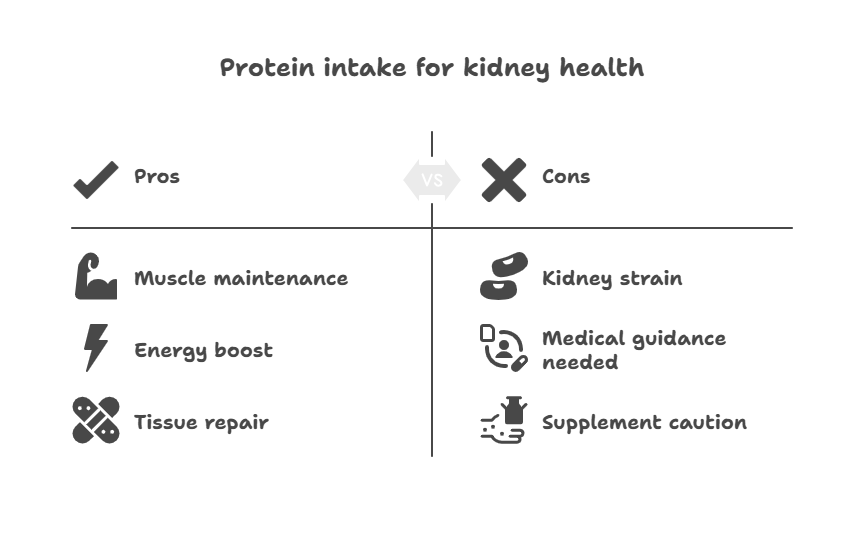
Protein is widely known as the body’s building block. It repairs tissues, builds muscles, and strengthens immunity. But when it comes to kidney health, protein has a double-edged role. For some people, it is life-saving; for others, it can be harmful. Understanding this complex relationship helps in making the right dietary and medical choices.

Protein in Urine: An Early Sign of Kidney Damage

One of the first red flags in kidney disease is the presence of protein in urine, a condition called proteinuria. Healthy kidneys filter out waste while keeping useful substances, such as protein, inside the blood. When the kidney filter is damaged, protein leaks out. Detecting proteinuria early through a urine test can help in timely diagnosis and treatment of kidney disease.

Protein as a Diagnostic Tool

Doctors rely on tests such as the urine protein test and the albumin-to-creatinine ratio (ACR) to evaluate kidney function. These tests indicate whether the kidneys are filtering properly and how much damage has occurred. Thus, protein serves not only as a nutrient but also as an important marker for kidney health.

Low-Protein Diet in Chronic Kidney Disease (CKD)

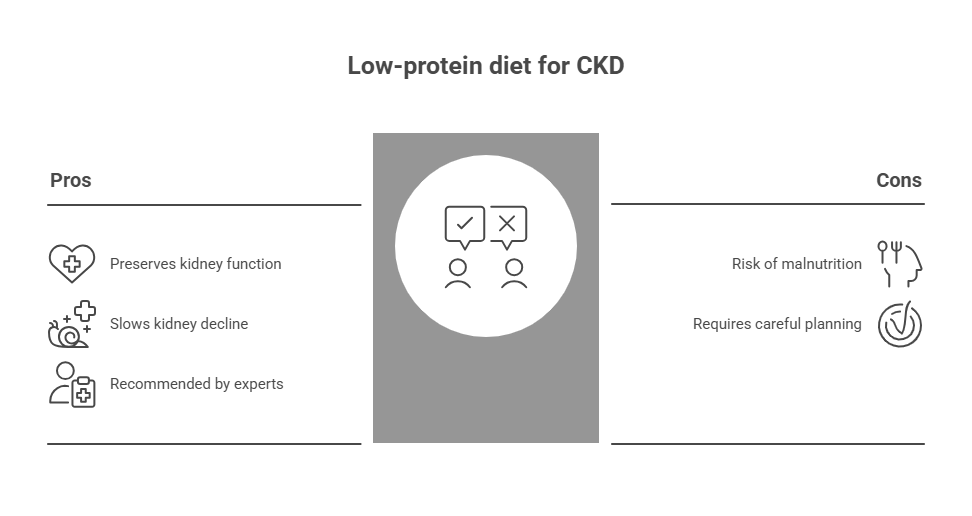
For patients with chronic kidney disease who are not on dialysis, eating too much protein can be harmful. Excess protein puts additional strain on the kidneys, accelerating their decline. That is why nephrologists and dietitians often recommend a controlled, low-protein diet for CKD patients. This helps preserve kidney function for as long as possible.

High-Protein Needs in Dialysis Patients

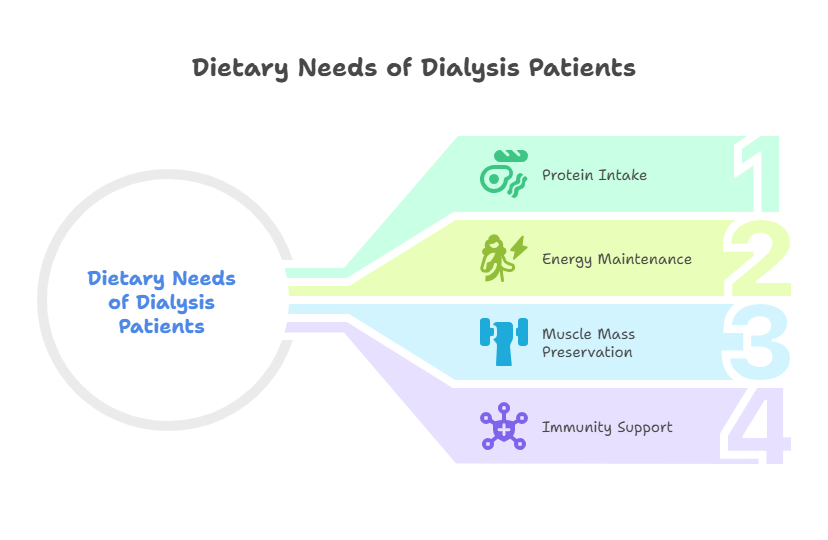
Once a patient begins dialysis, the scenario changes. During each dialysis session, not only toxins but also small amounts of protein are lost from the blood. To maintain energy, muscle mass, and immunity, dialysis patients require higher protein intake compared to healthy individuals. High-quality protein sources such as eggs, chicken, fish, paneer, and pulses become essential in their daily diet.

Striking the Right Balance

The key message is clear: protein can be both friend and foe, depending on the stage of kidney health. For some, restriction is necessary; for others, increased intake is life-saving. In today’s fitness culture, protein shakes and supplements are promoted heavily in gyms. But unlike healthy individuals, people with kidney issues must be extra cautious. Only a doctor or dietitian can guide the right amount of protein based on medical reports and treatment status.


Conclusion

Protein is not the villain, nor is it always the hero—it is about balance. By understanding the connection between protein and kidneys, and by following professional guidance, patients can protect their health while getting the benefits of this essential nutrient.

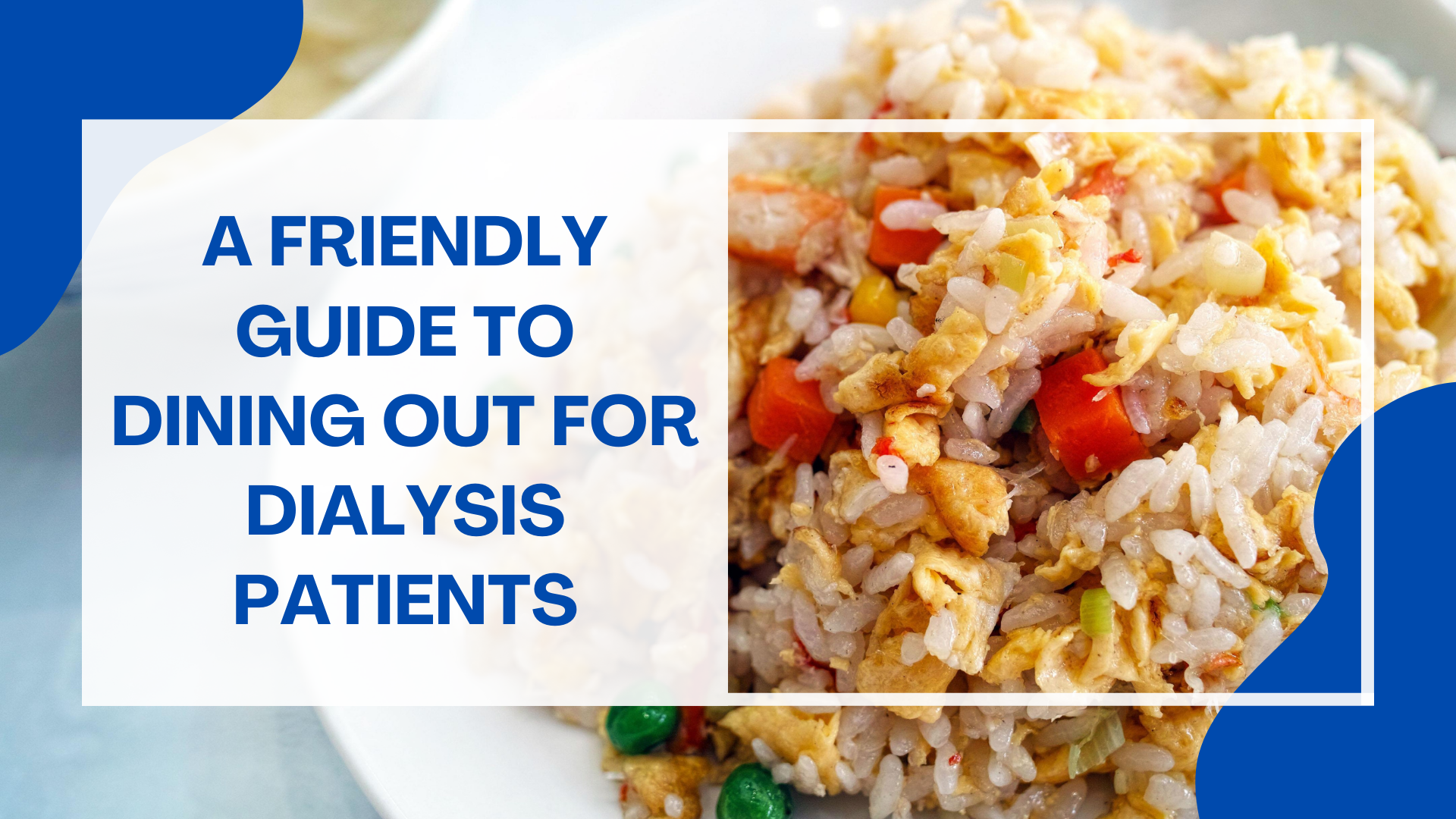
A Friendly Guide to Dining Out for Dialysis Patients

Dining out while on dialysis doesn’t mean you have to give up your favorite restaurants or social gatherings. With a bit of planning and awareness, you can enjoy meals out with friends and family—without compromising your health. Here’s a simple guide to help you dine out with confidence while managing your dialysis diet.

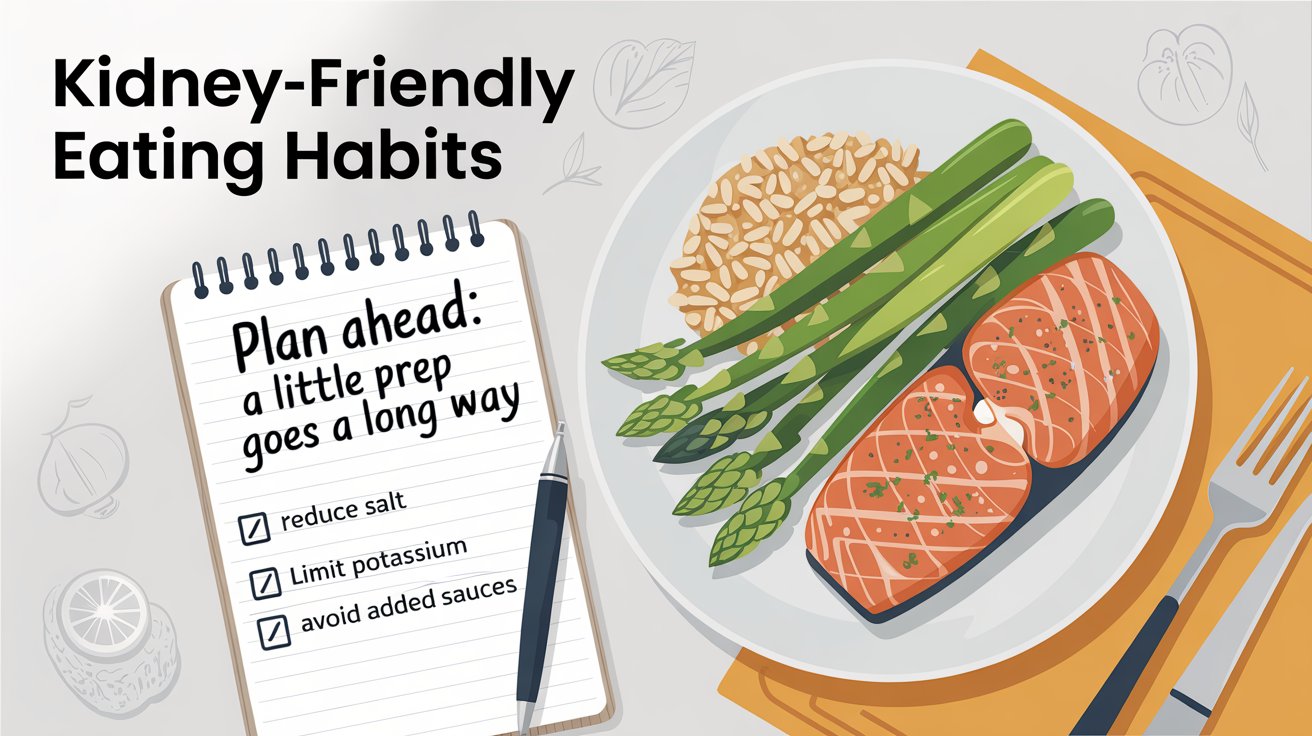
Plan Ahead: A Little Prep Goes a Long Way

Before heading out, follow your renal diet a bit more strictly during the day. Reduce your intake of salt, potassium, phosphorus, and fluids. If possible, choose restaurants that offer fresh, made-to-order meals and where staff are open to customizing dishes. Don’t hesitate to request meals without added salt or sauces.

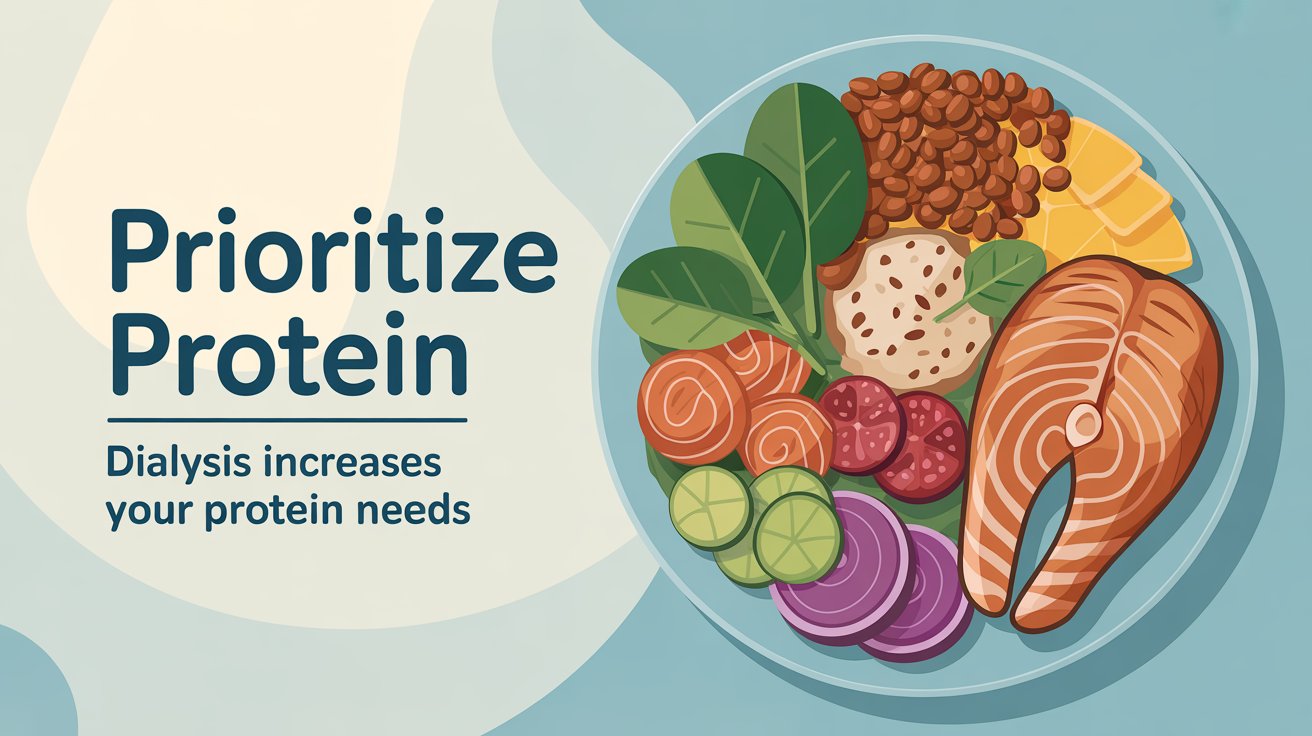
Prioritize Protein

Dialysis increases your protein needs. Both animal and plant-based proteins play a key role in maintaining muscle mass, fighting infections, and keeping your albumin levels healthy—which also helps with fluid balance.

When dining out, choose:

  • Grilled, boiled, or steamed lean meats like chicken, fish, or eggs (skip the fried or spicy versions).
  • Plant-based options such as fresh paneer, tofu, soya chunks, or simple lentil preparations (ask if preservatives have been added to avoid extra sodium or phosphorus).

Be Mindful of Salt, Potassium, Phosphorus, and Fluids

These elements can quickly add up in restaurant food, especially in processed or packaged items.

Sodium (Salt) Tips

  • Ask for dishes made without added salt or MSG.
  • Skip salty sides like papads, pickles, soy sauce, chutneys, and sauces.
  • Opt for steamed veggies like carrots, corn, or green beans instead of fries or salty snacks.

Phosphorus Management

  • Avoid processed cheeses, milk-based sauces, and packaged foods.
  • Choose freshly cooked meals without additives.
  • Always carry your phosphate binders and take them with your meal.

Control Potassium

Too much potassium can cause heart rhythm issues in dialysis patients.

Avoid foods like:

  • Tomato-based sauces, tropical fruits (banana, melon, orange juice)
  • Potatoes (white and sweet), sesame seeds, groundnuts, coconut, cashews
  • Coriander and mint garnishes in gravies

Watch Your Fluids

If you’re on a fluid-restricted plan, consider your full day’s intake before ordering drinks. Even foods like soup, ice cream, and gelatin count as fluids.

Safer drink choices (in moderation):

  • Vanilla milkshake, cold coffee, apple smoothie, or strawberry shake

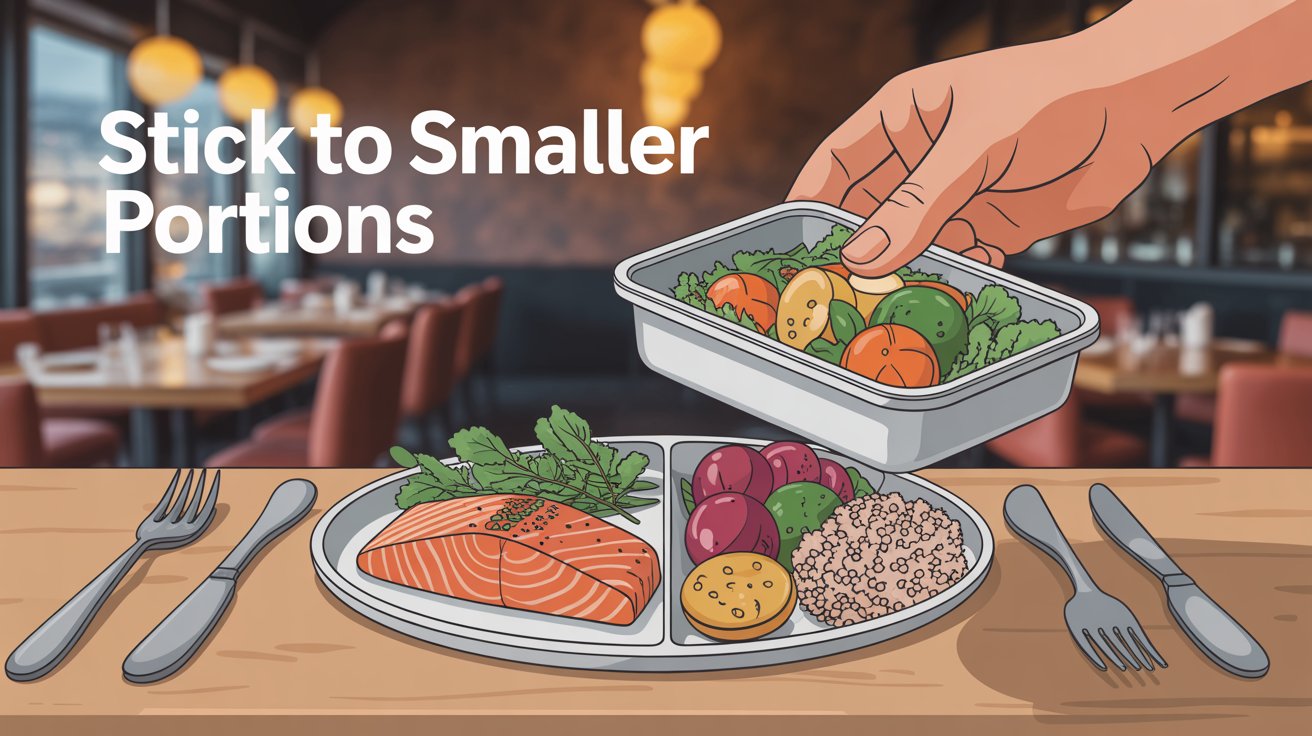
Stick to Smaller Portions

Portion sizes at restaurants are often larger than necessary. To manage your intake:

  • Avoid ordering combo or “super-sized” meals.
  • Ask for a takeaway box right away and pack half your meal before eating.
  • Focus on enjoying the experience, not just finishing the plate.

Consult Your Dietitian Beforehand

Everyone’s dietary needs vary, especially with dialysis. Talk to your renal dietitian about your plans to dine out. They can help you make safe choices and give tips specific to your treatment and health.


Conclusion

Dining out doesn’t have to be off the table. With a bit of knowledge and preparation, you can enjoy a satisfying meal while staying on track with your health goals. Remember—your well-being is worth the effort.

Regain Your Appetite: A Food Guide for Dialysis Patients

Dialysis changes many aspects of life — especially how you eat. If you’ve lost your appetite or feel tired of the same foods, you’re not alone. But the right diet can help you regain strength, maintain energy, and enjoy meals again.
Whether you’re a vegetarian or non-vegetarian, this guide is packed with simple, local, and healthy options to help you eat well while keeping your kidney health in check.

Why Appetite Drops in Dialysis

Many dialysis patients feel less hungry or start disliking food due to:

  • Uremia (toxin buildup): Causes nausea or bad taste in the mouth.
  • Strict diet limits: Less salt, potassium, and fluid can make meals feel boring.
  • Taste changes: Common with dialysis — food tastes dull or different.
  • Medication side effects: Can reduce appetite.
  • Stress or depression: Can also kill your interest in food.
  • Fullness from water/fluid retention: Makes eating harder.

But don’t worry — small changes can bring back the joy of eating!

Eat Right: High-Protein, Low-Potassium, Low-Salt

✅ Why Protein is Important

Dialysis removes protein from your body. You need extra to stay strong, maintain muscle, and fight infections.

🥦 High-Protein Vegetarian Options (Easily Available in India)

Paneer (Cottage Cheese): Grilled, sautéed, or used in curries (low-salt)
Soya Chunks/Tofu: Make cutlets, dry sabzi, parathas, or tikkis
Moong Dal/Chana Dal (Well Soaked & Boiled): Low in potassium and high in protein
Boiled Kala Chana or Rajma (Occasionally): In small portions
Besan (Gram Flour): Cheela, ladoos, or pakoras with less oil
Roasted Makhana (Fox Nuts): Light, crunchy, and protein-rich
Greek Yogurt / Hung Curd: Thick, creamy and packed with protein (check phosphorus levels with dietitian)

📝 Note: Soak dals and discard the water before cooking to reduce potassium. Limit high-phosphorus dals like urad.

🍗 High-Protein Non-Vegetarian Options

Eggs: Boiled, scrambled, or in sandwiches — an excellent, affordable protein source
Chicken: Grilled, boiled, or lightly spiced home-cooked curry (avoid store-bought masala)
Fish: Freshwater fish like rohu or catla (boiled or baked), 1–2 times a week
Mutton (Occasional): Prefer lean pieces, grilled or home-cooked in limited quantity

📝 Avoid salted/smoked meats and processed items like sausages or salami.

🌿 Flavor Without Salt: Indian Style

Instead of salt, use natural flavors to bring taste back:

Spices: Turmeric, coriander, cumin, jeera powder, fennel
Herbs: Fresh coriander, mint, curry leaves
Flavors: Lemon juice, dry mango powder (amchur), tamarind water (in limits)
Garlic & Ginger Paste: For taste and health

Avoid:
Commercial spice mixes (contain hidden salt and preservatives)
Pickles, papads, chutneys with salt

🥬 Low-Potassium Fruits & Vegetables

Safe to Eat (after leaching if needed):
Vegetables: Bottle gourd (lauki), ridge gourd (tori), cabbage, cauliflower, capsicum, onion
Fruits: Apple, papaya, pear, guava (in limit), pineapple
Grains: White rice, poha, suji, white bread, wheat roti

Limit or Avoid:
Fruits: Banana, mango, custard apple, orange, dry fruits
Vegetables: Tomato, spinach, sweet potato, beetroot, potato

📝 Leaching means soaking chopped veggies in water for 2 hours, then cooking — it helps reduce potassium.

Easy Meal Tips to Fight Food Fatigue

🕓 Small & Frequent Meals

  • Instead of 3 big meals, aim for 5–6 small ones throughout the day.
  • Prevents nausea and ensures better nutrition absorption.

🥪 Healthy Snack Options

  • Paneer sandwich (no butter, less salt)
  • Besan cheela with curd
  • Egg or tofu rolls
  • Hung curd with fruit
  • Roasted makhana or murmura mix

🔄 Change Cooking Styles

  • Don’t just boil everything!
  • Try roasting, sautéing, baking, or grilling for better texture and flavor.

👨‍👩‍👧‍👦 Eat with Others

  • Sharing meals with family or friends, even on video calls, makes food feel less like a chore.

😁 Mouth Care = Taste Care

  • Brush twice a day and rinse your mouth after every meal.
  • A clean mouth enhances taste and desire to eat.

🧃 Protein-Rich Indian Smoothie Ideas (Low Potassium)

  • Apple + Curd + Cinnamon
  • Papaya + Hung Curd + Roasted Flaxseed
  • Pear + Soya Milk + Honey

(Blend small portions, avoid ice cubes, and always check with your dietitian for suitability.)

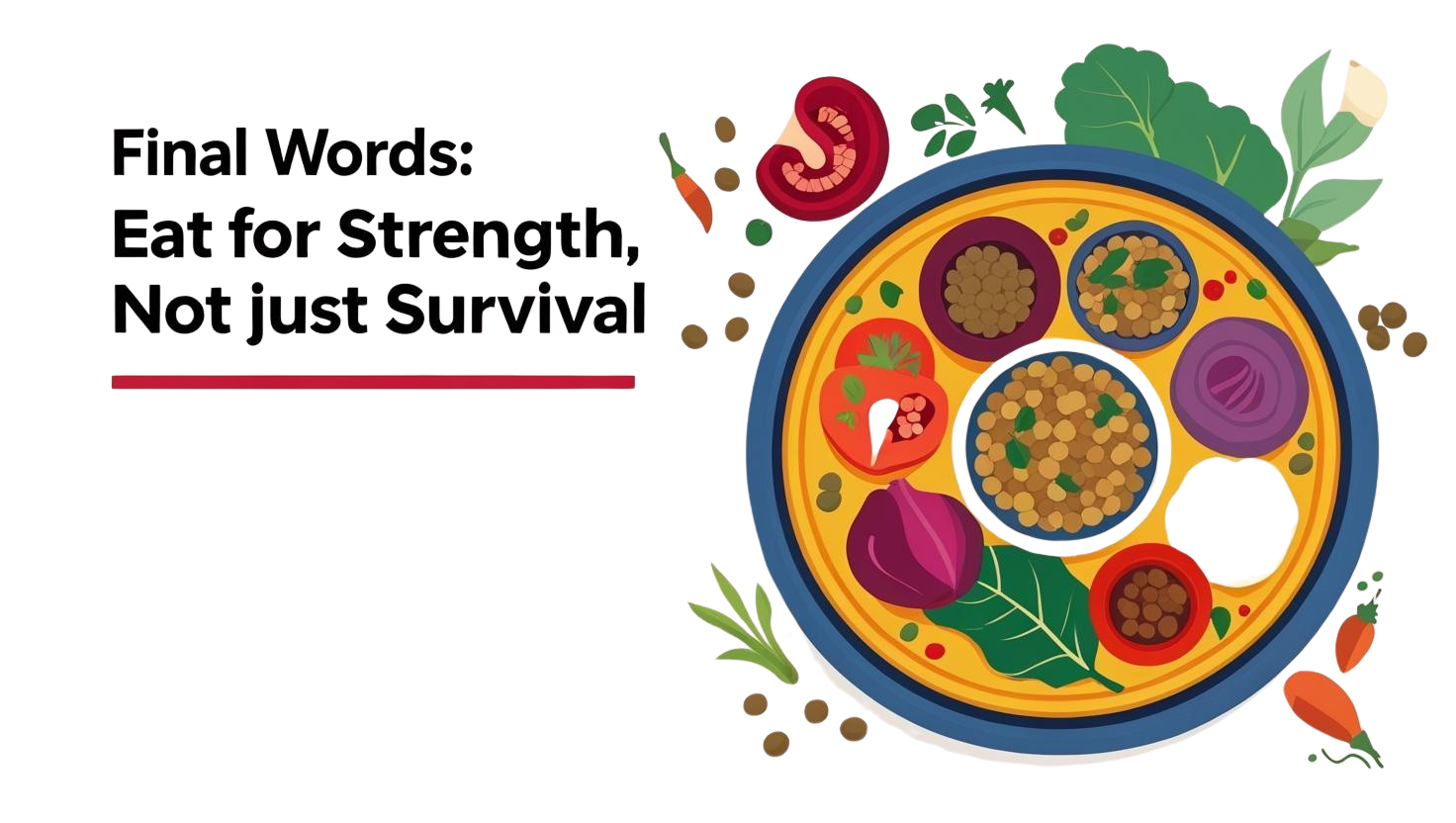
Final Words: Eat for Strength, Not Just Survival

Dialysis may limit your food choices, but it doesn’t have to take away your love for food. With a high-protein, low-potassium, and low-salt diet — based on everyday Indian ingredients — you can feel healthier, stronger, and happier.

👩‍⚕️ Stay in touch with your dietitian for personalized plans.
🌟 And remember: every nutritious bite is a step toward better health.

Eat mindfully. Eat joyfully. One bite at a time. 💚🍽️


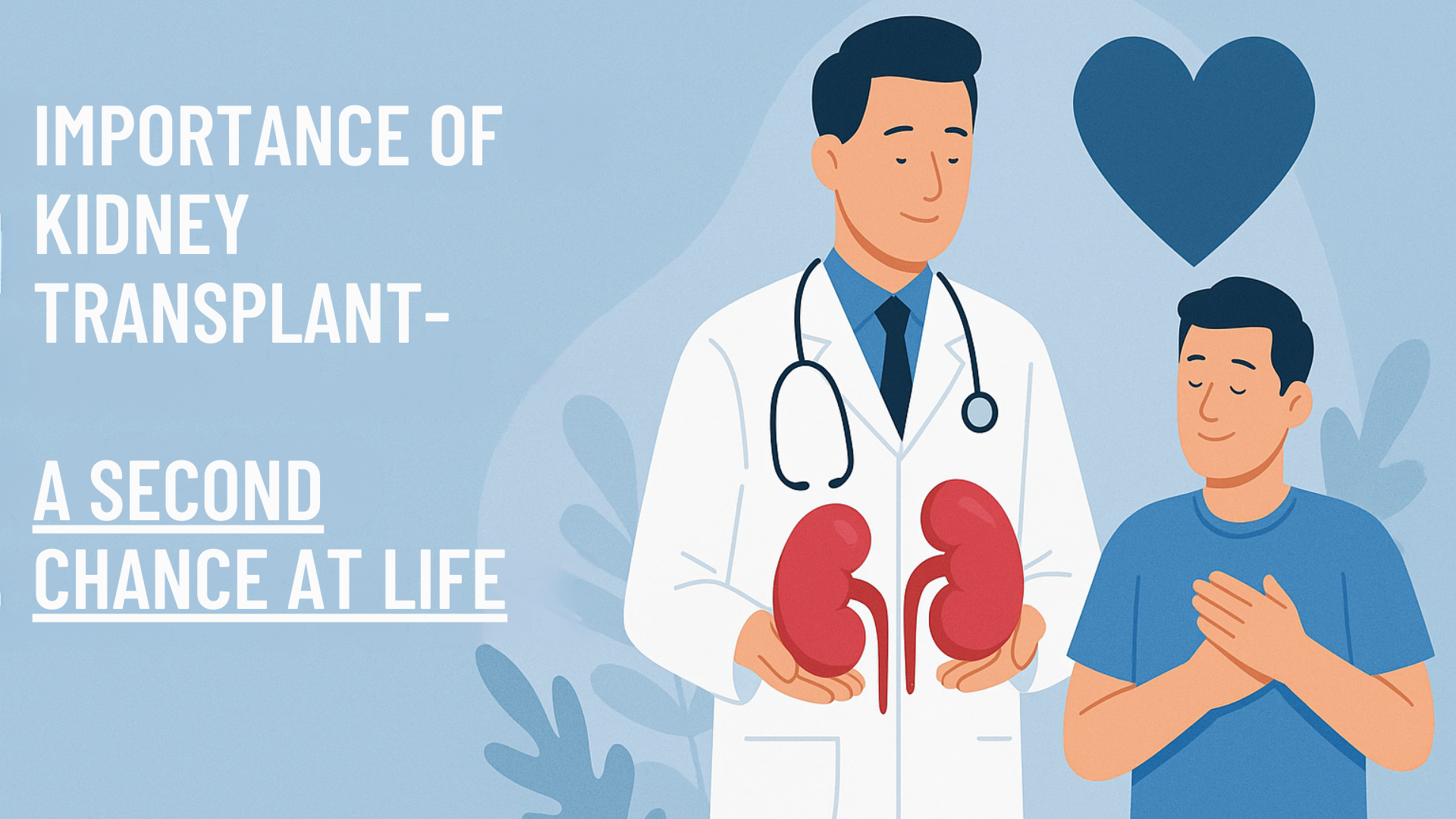
Importance of Kidney Transplant – A Second Chance at Life

Kidneys are vital organs that clean the blood, balance fluids, and support overall health. When kidneys stop working properly, a kidney transplant becomes a life-saving solution. At DCDC Kidney Care, we believe that a kidney transplant is not just a treatment—it’s a new beginning.

What is a Kidney Transplant?
A kidney transplant is a surgery where a healthy kidney from a donor is placed into a person whose kidneys no longer function well. This new kidney takes over the job of filtering blood and keeping the body in balance.

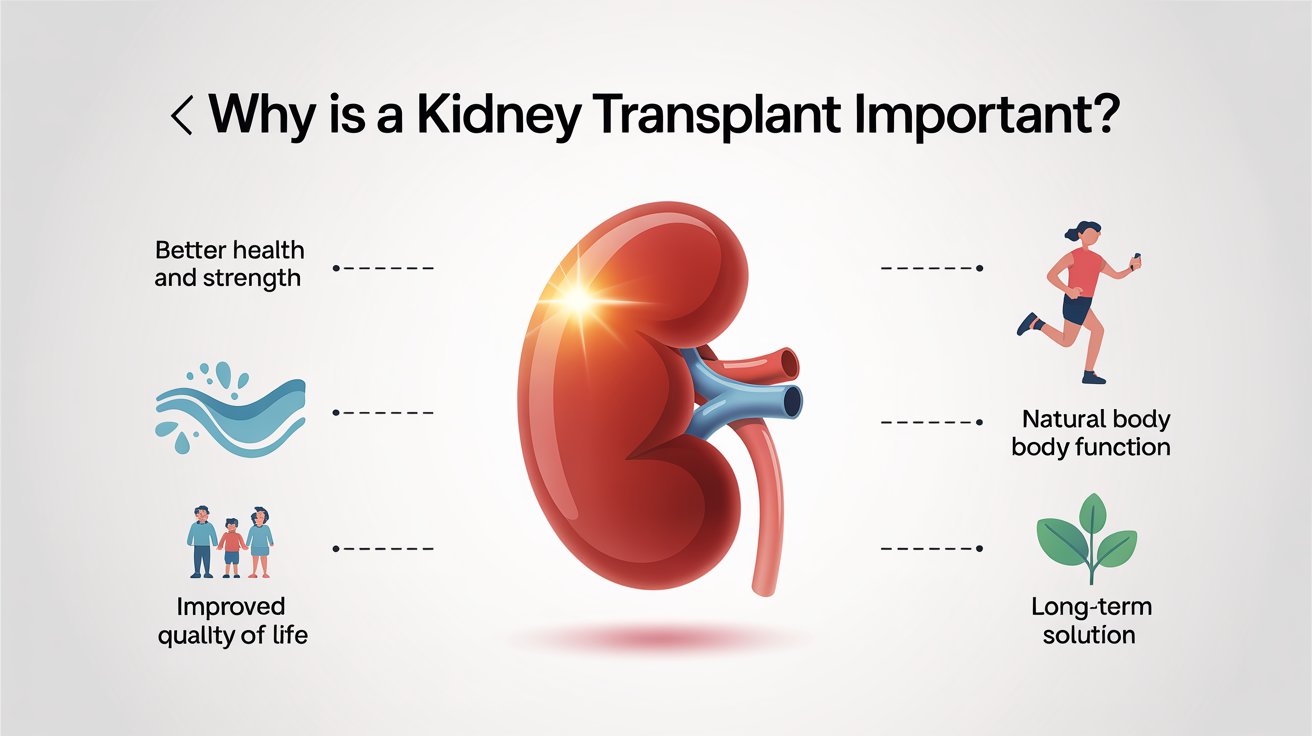
Why is a Kidney Transplant Important?

✔️ Better Health and Strength
A working kidney helps restore energy, improve sleep, and support overall physical and mental well-being.

✔️ Natural Body Function
The transplanted kidney functions like a natural kidney, helping the body remove waste and extra fluids.

✔️ Improved Quality of Life
Patients can enjoy normal routines, including work, travel, social activities, and more freedom in daily life.

✔️ Long-Term Solution
With proper care, a transplanted kidney can work well for many years, offering a stable and healthy future.

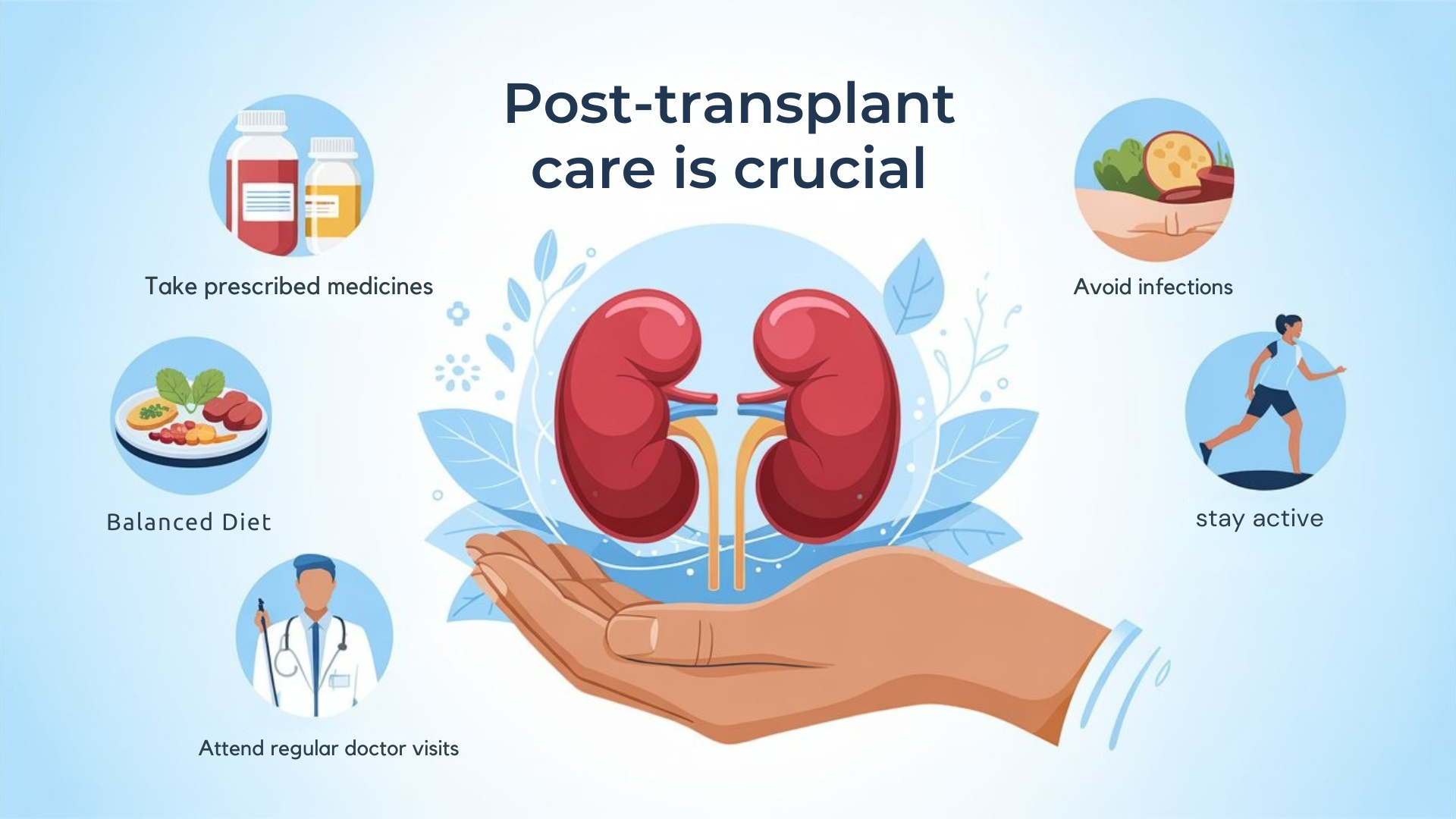
Post-Transplant Care is Crucial

  • Take prescribed medicines every day to protect the new kidney
  • Eat a healthy, balanced diet
  • Attend regular doctor visits and follow up tests
  • Avoid infections and stay active

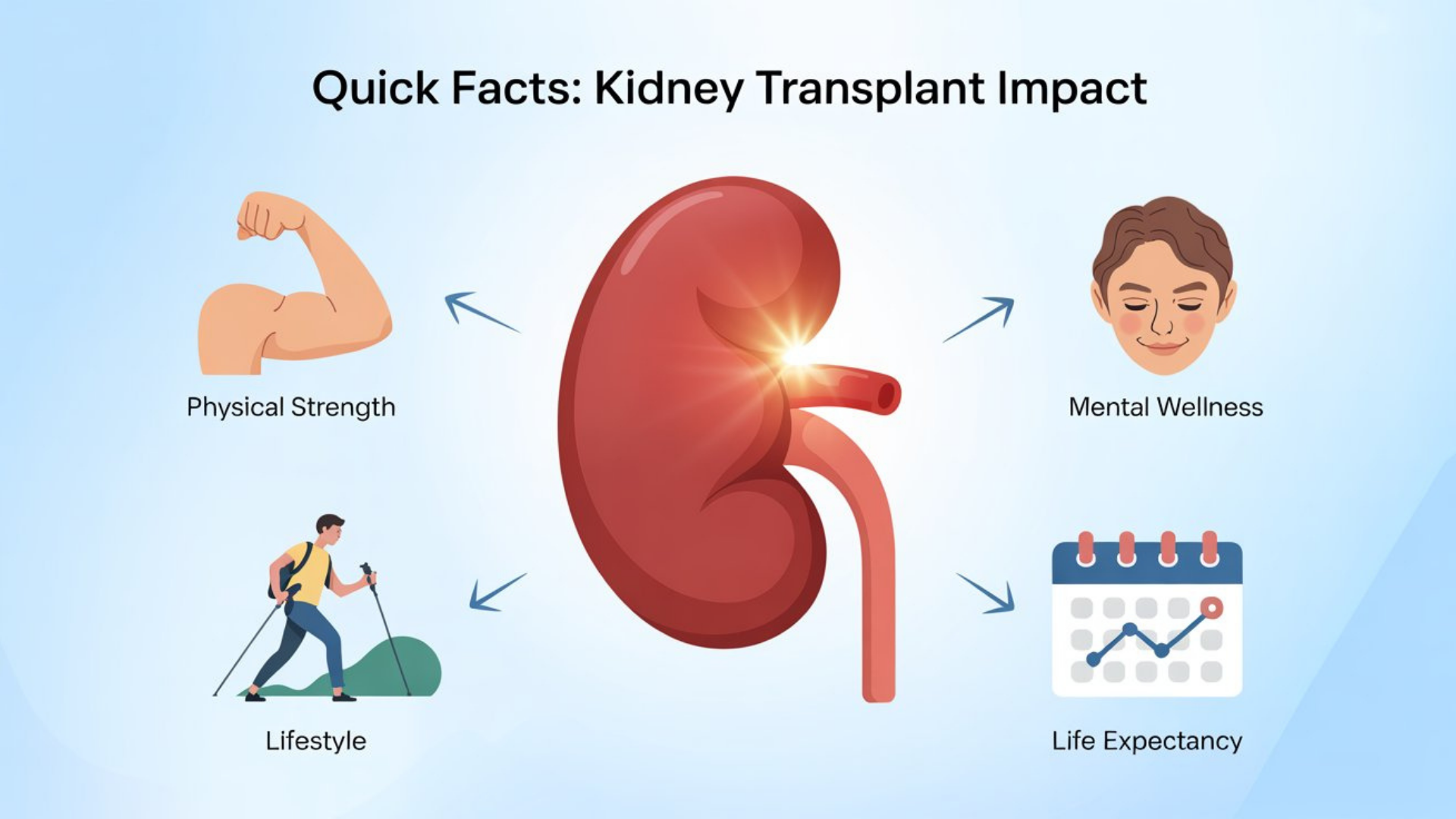
Quick Facts: Kidney Transplant Impact

Benefit

Description

Physical Strength

Increases and stabilizes

Mental Wellness

Improves significantly

Lifestyle

Becomes more active and independent

Life Expectancy

May increase with good care

At DCDC Kidney Care, we’re committed to guiding every patient through all types of possibilities throughout the journey—with compassion, care, and confidence in a better tomorrow.

Conclusion

A kidney transplant offers more than just medical relief—it provides a renewed sense of life, energy, and independence. It allows patients to reclaim their everyday routines and look forward to a healthier, more fulfilling future. At DCDC Kidney Care, we understand that this journey requires expert care, consistent support, and compassionate guidance. That’s why we stand beside every patient, every step of the way—helping them embrace their second chance at life with confidence and hope.
A Superfood in the Renal Diet: Onions

When managing kidney disease, diet plays a crucial role in maintaining overall health. Certain foods can help protect kidney function while providing essential nutrients. One such superfood in the renal diet is the onion—a flavorful and nutritious ingredient that offers numerous benefits for individuals with kidney issues.

Why Are Onions Beneficial for Kidney Health?

Onions are a powerhouse of antioxidants, vitamins, and minerals, making them an excellent choice for a kidney-friendly diet. Here’s why they stand out:

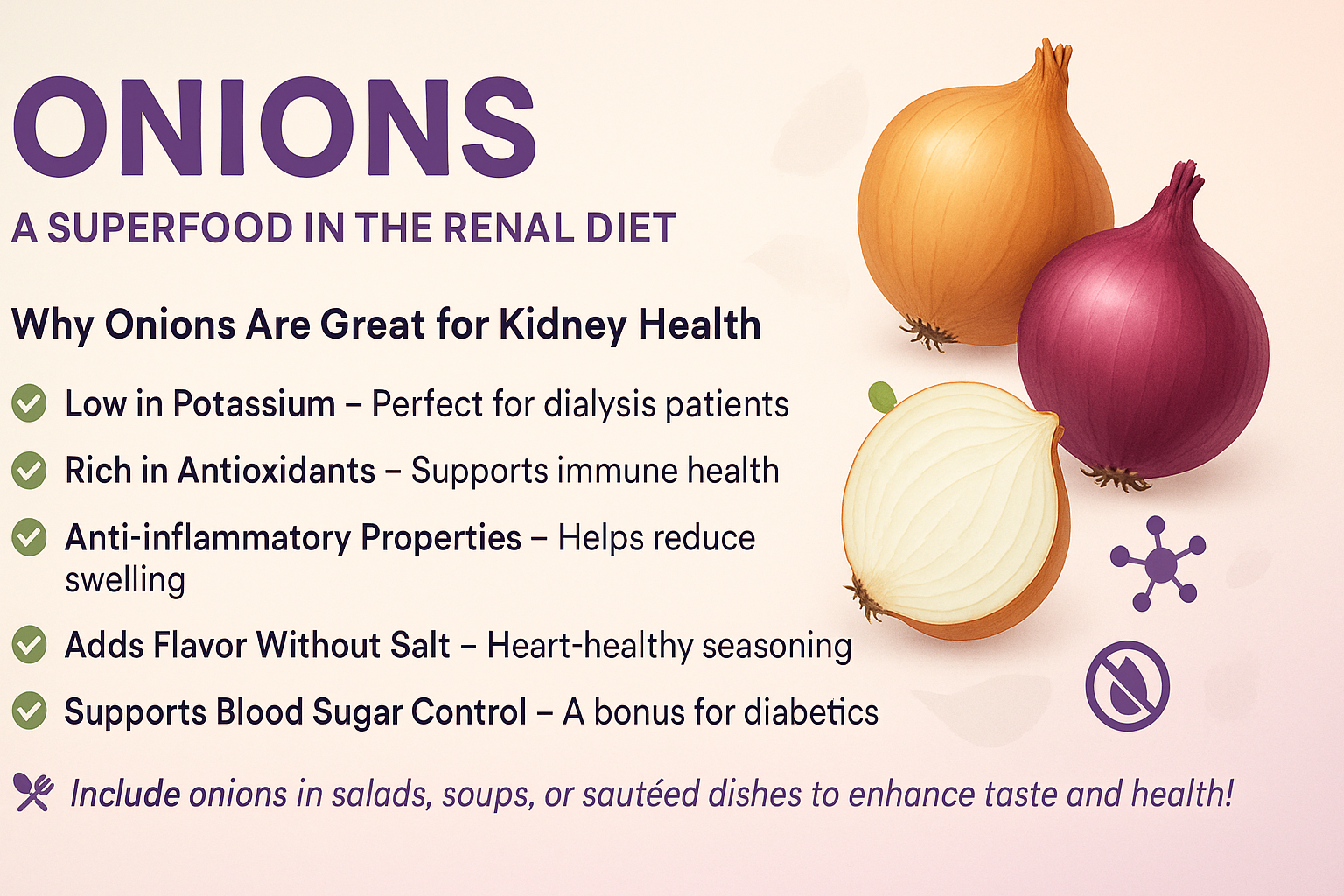
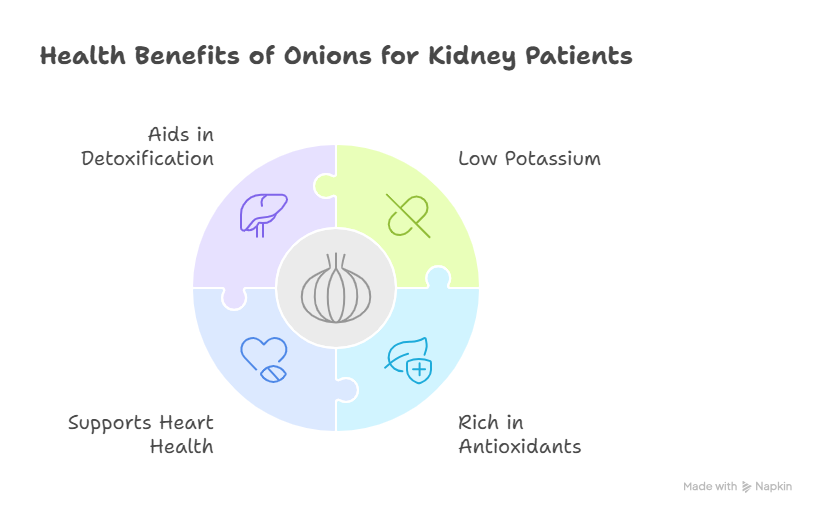
  1. Low in Potassium – One of the key dietary restrictions for kidney patients is limiting potassium intake. Onions are naturally low in potassium, making them a safe option compared to other vegetables like tomatoes and potatoes.
  2. Rich in Antioxidants – Onions contain quercetin, a powerful antioxidant that helps reduce inflammation and protect cells from damage. This is especially beneficial for kidney patients, as inflammation is a common issue in chronic kidney disease (CKD).
  3. Supports Heart Health – Kidney disease often increases the risk of cardiovascular problems. Onions have sulfur compounds that help lower blood pressure and improve circulation, reducing the strain on the kidneys and heart.
  4. Aids in Detoxification – Onions contain compounds that support liver function, helping the body eliminate toxins more effectively. Since kidney disease affects the body’s ability to remove waste, consuming detoxifying foods like onions can be beneficial.

Nutritional Comparison of Onions and Other Vegetables

Nutritional Comparison of Onions and Other Vegetables

Nutrient (per 100g)

Onions

Tomatoes

Potatoes

Calories (kcal)

40

18

87

Protein(g)

1.1

0.9

1.9

Carbs (g)

9.3

3.9

20.1

Fiber (g)

1.7

1.2

1.8

How to Include Onions in a Renal Diet

Incorporating onions into your diet is easy. Here are some kidney-friendly ways to enjoy them:

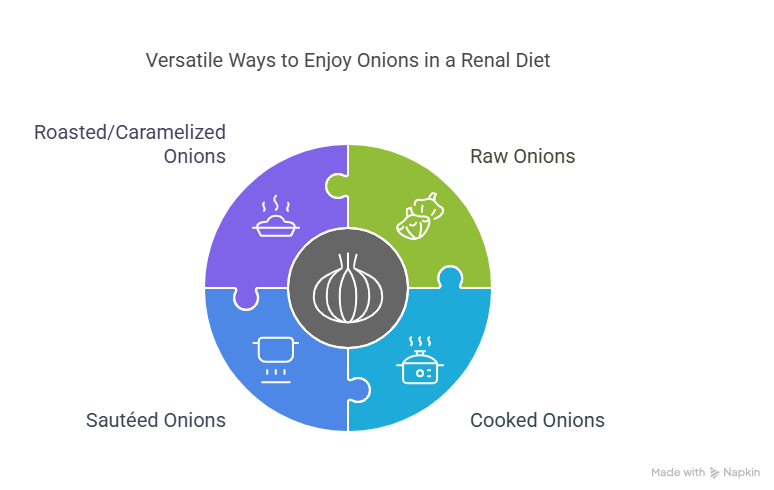
  • Add raw onions to salads for a crunchy texture and mild spice.
  • Use cooked onions as a base for soups, stews, and stir-fries.
  • Sauté onions with garlic and herbs to enhance the flavor of kidney-friendly dishes.
  • Roast or caramelize onions to bring out their natural sweetness without adding unhealthy ingredients.

Conclusion

Onions are a versatile and nutritious addition to the renal diet. Their low potassium content, antioxidant properties, and cardiovascular benefits make them an ideal choice for individuals managing kidney disease. By including onions in daily meals, kidney patients can enjoy both flavor and health benefits while supporting their overall well-being.

Dialysis Technician Diploma Course – 2 Years

DCDC Academy of Healthcare: Your Gateway to a Rewarding Career in Dialysis Technology

In a country where the demand for qualified dialysis professionals is growing exponentially, DCDC Academy of Healthcare emerges as a transformative force, committed to shaping the future of healthcare. Powered by the legacy of DCDC Kidney Care — a trusted network of 200+ dialysis centers across India — the Academy offers a 2-Year Diploma in Dialysis Technology that is not only affordable but also life-changing.

🌟 Why DCDC Academy? Because You Deserve More Than Just a Course

✔️ 100% Job Guarantee – Secure placement upon course completion

✔️ Minimal Fees – ₹75,000 only for Offline & ₹50,000 only for Online Students

✔️ On-the-Job Training (OJT) – 12 months of real-world clinical exposure

✔️ National Recognition – Affiliated with AHPI & IMA

✔️ Offline, Online & Hybrid Modes – Learn from anywhere, anytime

✔️ Easy Instalments – Upto 3 Instalments in initial quarter.

✔️ Special Female Discounts – Uplifting women in healthcare

Diploma in Dialysis Technology: Course Overview

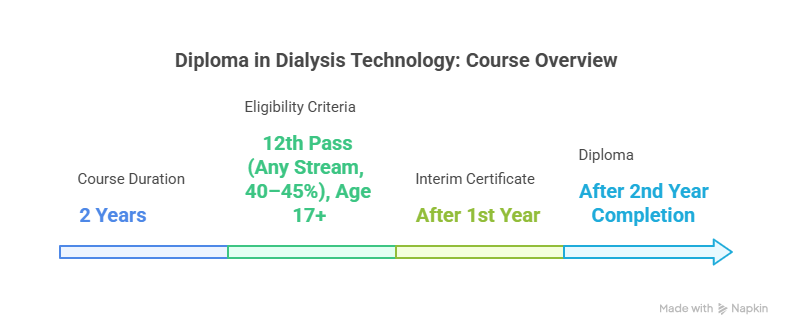
  • Duration: 2 Years
  • Eligibility: 12th Pass (Any Stream, 40–45%), Age 17+
  • Certification:
    📝 Interim Certificate after 1st Year (for internal purpose)
    🎓 Diploma after 2nd Year Completion 

Course Structure:

Phase

Duration

Key Focus Areas

🧩 Phase 1 –

Foundation Learning

6 Months

– Human Biology, Anatomy & Physiology
– Biochemistry, Microbiology, Medical Terminology
– Dialysis Basics, Pharmacology, General Anesthesia
– Smart Classes + Written Exams

🔬 Phase 2 –

Practical Immersion

6 Months

– Dialysis Lab Training & Equipment Handling
– Pathology, Emergency Tools, Infection Control
– Soft Skills, Hospital Management, Entrepreneurship
– VIVA + Practical Exams

🏥 Phase 3 –

On-the-Job Training

12 Months

– Real Patient Exposure in DCDC Centers
– Dialysis Machine Setup & Monitoring

– Vitals Signs Monitoring
– Assignments, Final Exams, Interview Prep
– 100% Placement Assistance

But what truly sets DCDC Academy apart?


🎯 Our Vision: 360° Healthcare Education for the Real World

At DCDC Academy, education is not just about textbooks. Our vision is to provide students a 360-degree learning experience, preparing them not only as dialysis technicians but as multi-skilled healthcare professionals ready to excel on global platforms.

🧠 Subjects like Soft Skills, Microsoft Office (Word, Excel, PowerPoint)
🦾 AI in Healthcare
💉 BLS & ACLS Training
🍽️ Renal Diet Management
💧 Water Treatment & RO Plant Operations
🩺 Kidney Transplant Coordination & Infection Control

This all-encompassing curriculum gives students a competitive advantage that very few institutes in India offer — and that too at such minimal cost.


💬 Hear it from Our Students

“This course gave me more than just a job—it gave me confidence, real skills, and a purpose. I’m now job-ready, thanks to the expert guidance and practical exposure at DCDC.”
Sahil Saini, Batch 2

“The curriculum covered everything from patient care to digital tools. I feel confident not just as a technician, but as a true healthcare professional.”
Aditi Chauhan, Batch 2

Beyond Classrooms: Life at DCDC Academy

DCDC believes that education should be experiential. From lab simulations, hands-on practice, convocation ceremonies, guest lectures to national celebrations — the Academy provides a holistic campus experience that shapes both personality and professionalism.

🌏 Affordable. Flexible. Empowering.

Whether you’re just out of school, looking for a new career path, or dreaming of a stable future in healthcare — DCDC Academy opens the door for all. With both offline and online learning options, special support for female students, and an industry-integrated program, your journey from learner to leader starts right here.

📞 Admissions Open – Join Now!

📍 B-22, Basement, Opp. Metro Pillar No. 225, New Multan Nagar, Paschim Vihar, Delhi – 110056
🌐 academy.dcdc.co.in
📲 Call/WhatsApp: 011-4555 2688 | 89290 67521
📧 Email: academy@dcdc.co.in

🚨 Limited Seats | Career-Ready Curriculum | 100% Job Guarantee

DCDC Academy of Healthcare isn’t just building careers.
It’s building confident, future-ready professionals—Every Student counts.

World Health Day 2025: Preventive Health Checkups – A Necessity, Not a Choice

Every year, 7th April marks World Health Day, a reminder for individuals and communities to prioritize their health. This year’s theme urges us to rethink our approach to well-being—not just treating illness but preventing it before it begins. One of the most powerful tools in this direction is preventive health checkups.

Unfortunately, in India, many diseases go undetected until they reach a critical stage. This silent progression turns manageable conditions into life-threatening illnesses, especially in the case of kidney disease.


The Danger of Undiagnosed Illnesses

In our country, millions of people live with chronic conditions without knowing it. Diseases like diabetes, hypertension, and kidney disease often show no early symptoms, yet they silently damage organs over time

Why this happens:

  • Low awareness of preventive care
  • Irregular or no routine health checkups
  • Financial or geographical barriers to healthcare access
  • Cultural stigma or fear around diagnosis

The result? Patients often seek care only when the disease has advanced, making treatment more complex and costly.

Kidney Disease: A Prime Example of Missed Detection

Kidney disease is among the fastest-growing non-communicable diseases in India. According to the Indian Society of Nephrology:

  • 1 in 7 Indians may suffer from chronic kidney disease (CKD)
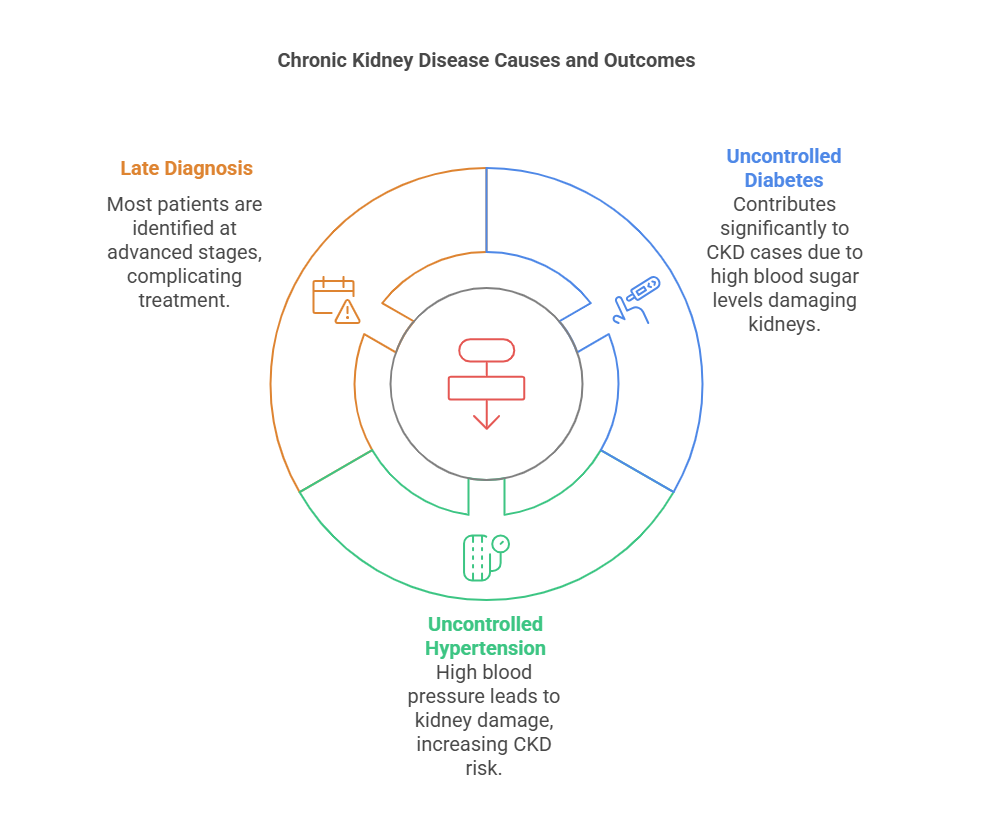
  • Over 60% of these cases are caused by uncontrolled diabetes and hypertension
  • Most patients are diagnosed at Stage 4 or 5, when kidneys are already severely damaged

Had these patients undergone annual kidney function tests (KFT) or routine blood pressure checks, many could have delayed or completely avoided dialysis or kidney failure.

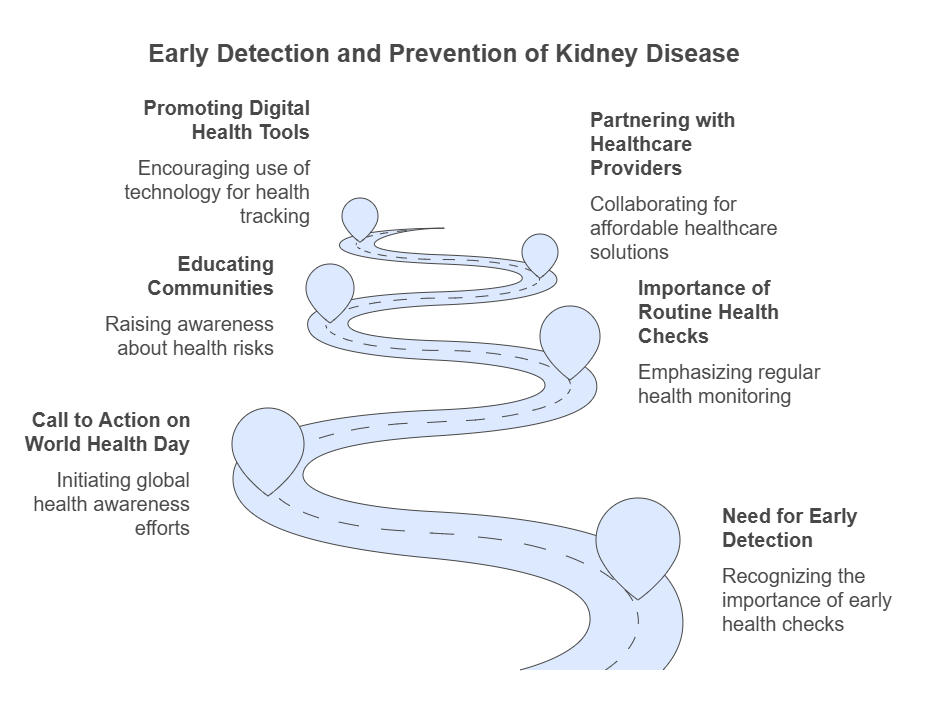
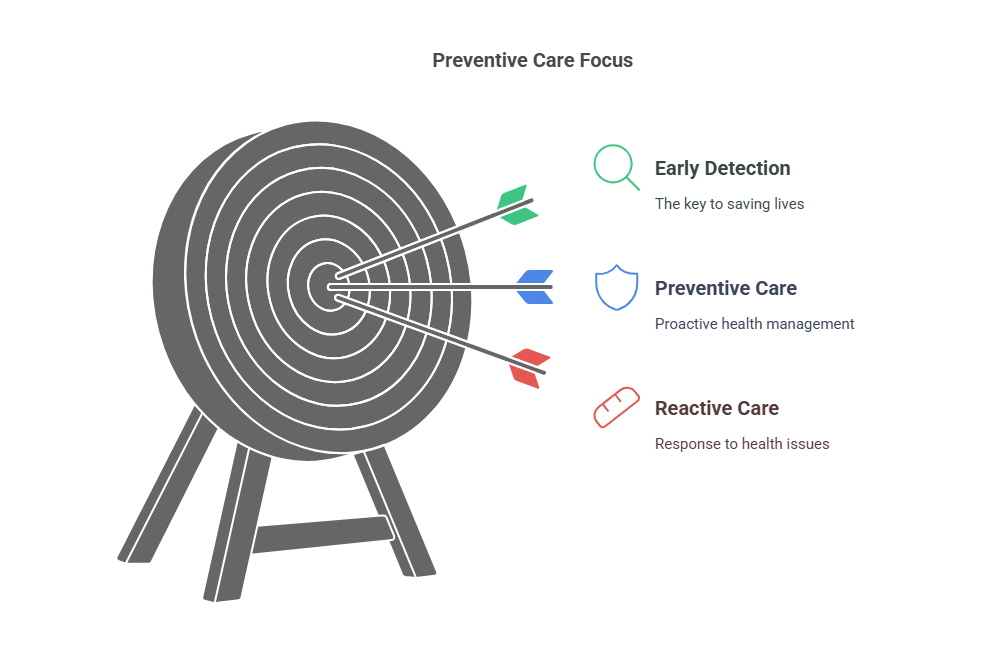
This World Health Day, let’s not wait for symptoms to appear. Early detection can prevent suffering and save lives. Especially in underserved communities, health awareness camps and screenings can bring life-saving interventions within reach.
Steps we must take:

  • Encourage routine health checkups, especially for those above 30
  • Educate communities on common silent killers like CKD
  • Partner with healthcare providers for affordable screening camps
  • Promote digital tools for tracking health records and reminders

Conclusion

On this World Health Day, let’s pledge to move from reactive care to preventive care. A simple test today could save a life tomorrow. In the battle for a healthier India, early detection is our strongest weapon.
Author: Dr. Deepak Agarwal

VP- Clinical 

DCDC Kidney Care

Understanding the Types of Kidney Failure and Diseases

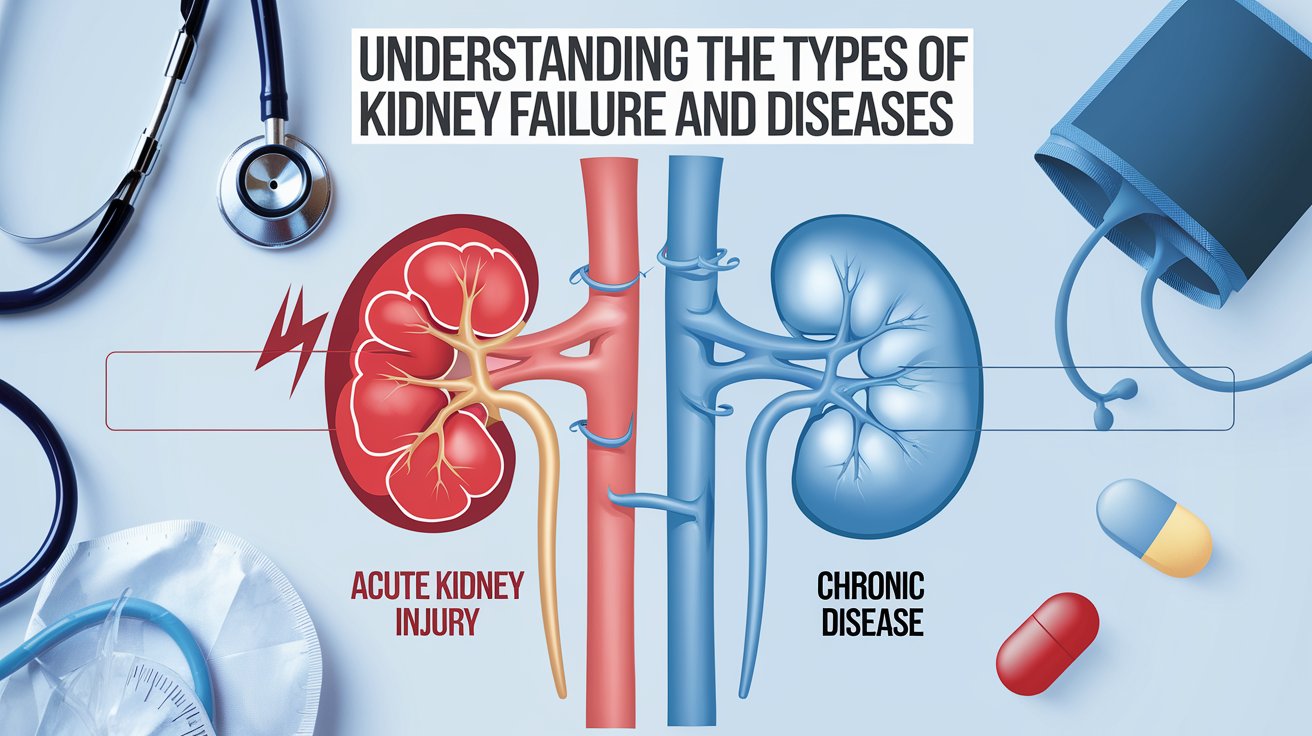
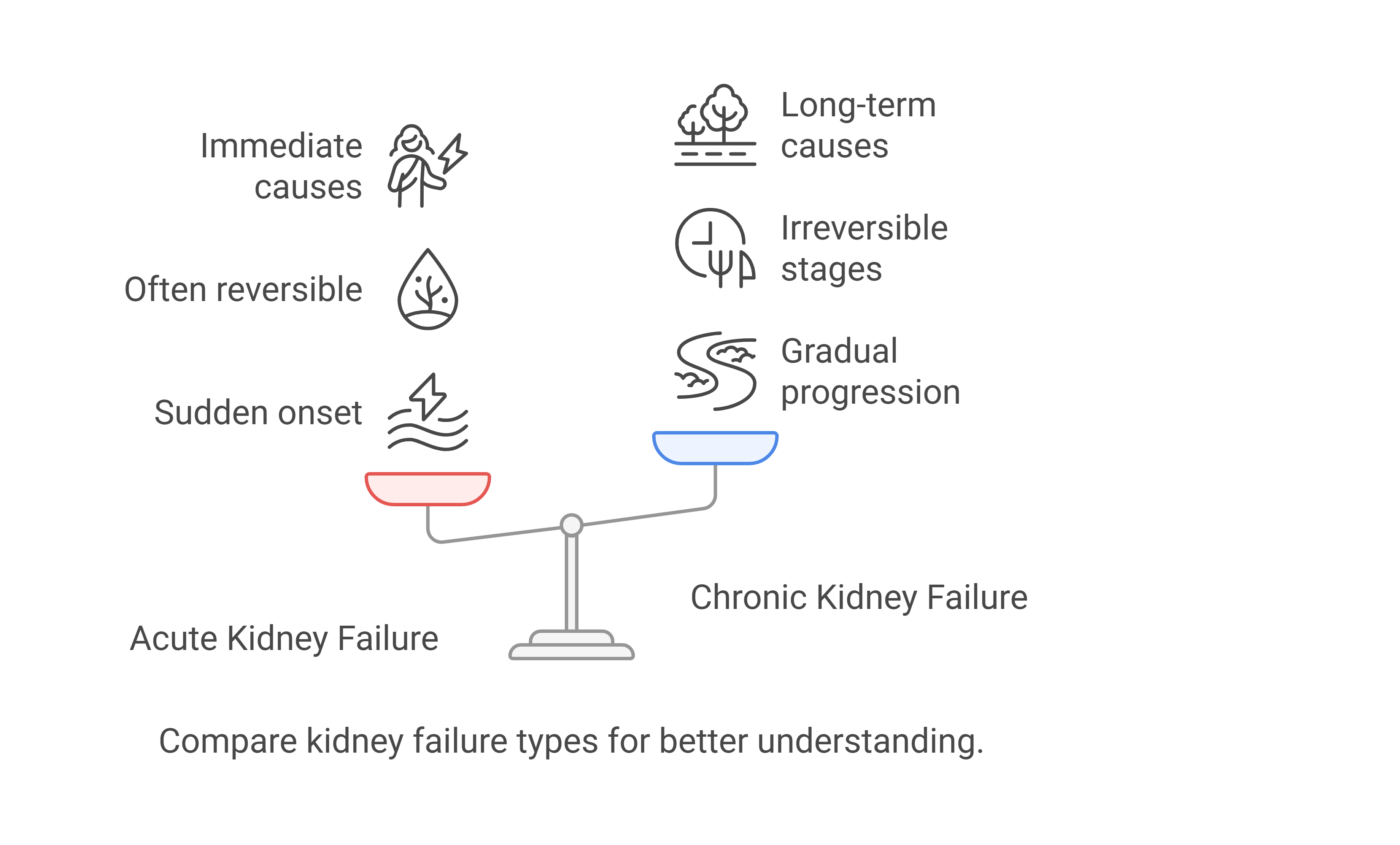
The kidneys play a vital role in filtering waste, balancing fluids, and regulating blood pressure. When they fail to function properly, it leads to serious health complications. Kidney diseases can be categorized into acute and chronic conditions, each requiring different approaches to treatment.

Types of Kidney Failure

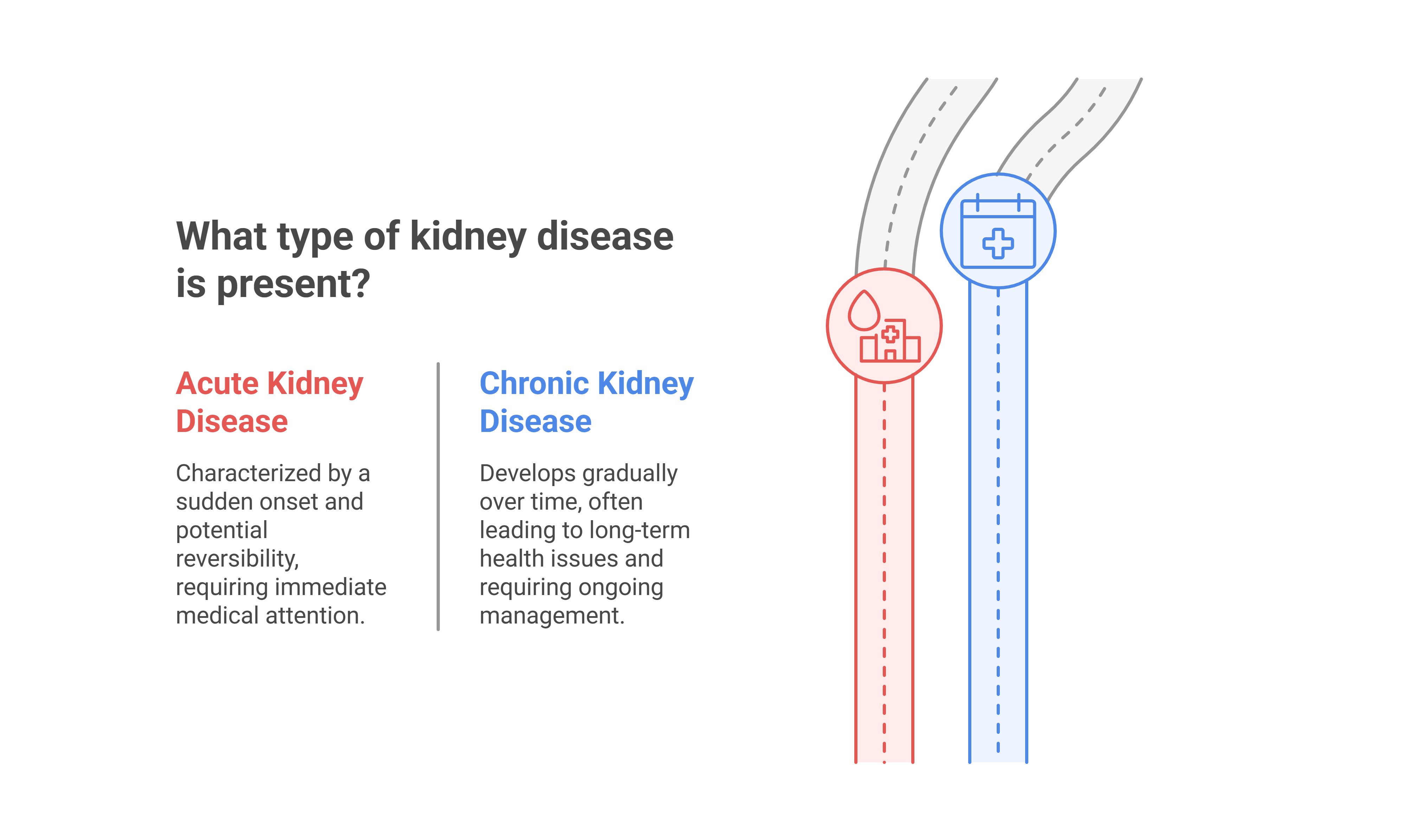
Acute Kidney Failure (Acute Kidney Injury - AKI)

Acute kidney failure occurs suddenly and is often reversible if treated promptly. It can result from severe infections, dehydration, certain medications, or kidney trauma. Symptoms include reduced urine output, swelling, confusion, and fatigue.

Chronic Kidney Failure (Chronic Kidney Disease - CKD)

Chronic kidney disease develops gradually over time due to conditions like diabetes, high blood pressure, or genetic disorders. CKD progresses in stages, ultimately leading to end-stage renal disease (ESRD) if left untreated. Common symptoms include high blood pressure, nausea, loss of appetite, and fluid retention.

Common Kidney Diseases

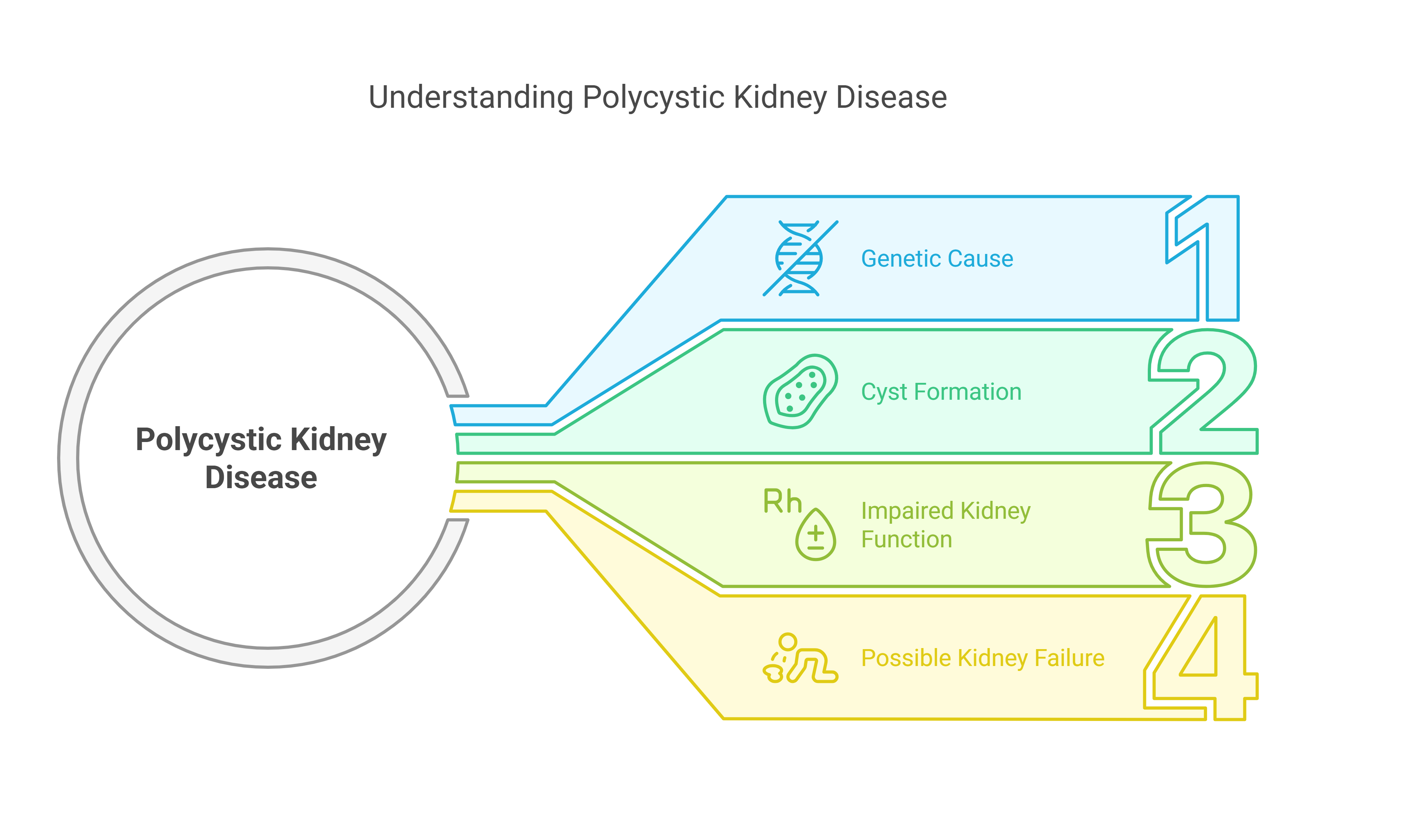
Polycystic Kidney Disease (PKD)

A genetic disorder causing fluid-filled cysts to develop in the kidneys, leading to impaired function and possible kidney failure.

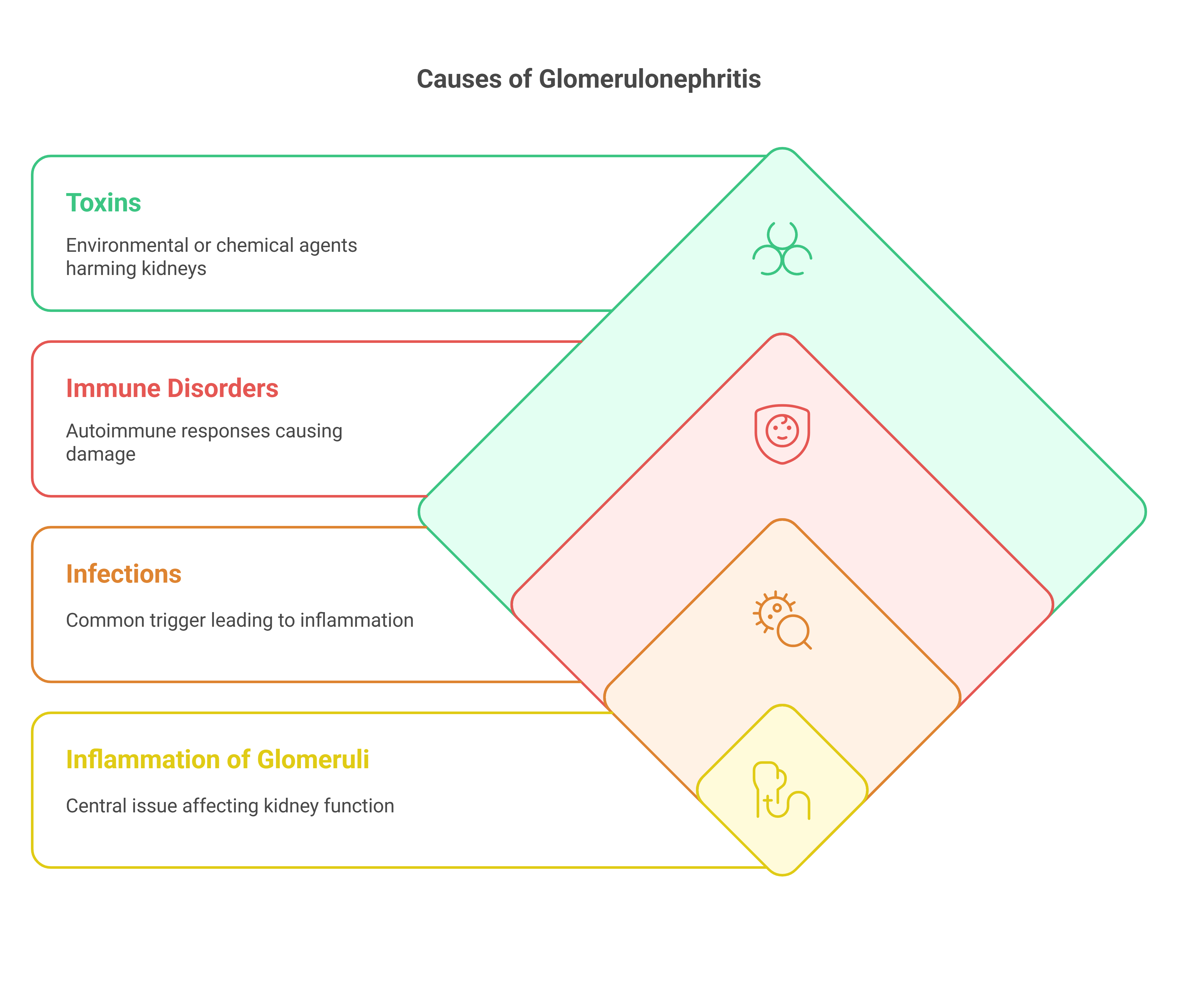
Glomerulonephritis

Inflammation of the kidney’s filtering units (glomeruli), often triggered by infections, immune disorders, or toxins.

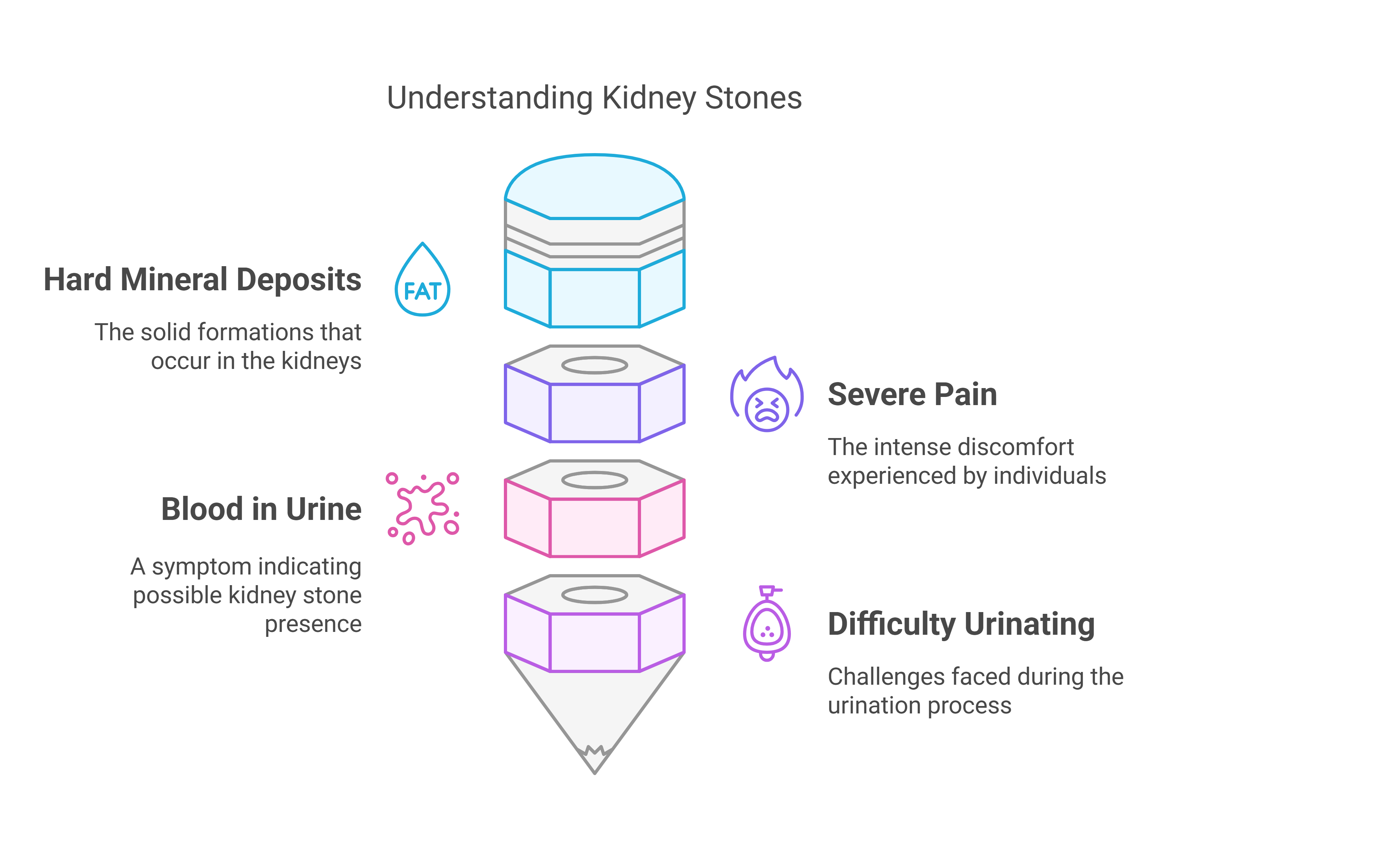
Kidney Stones

Hard mineral deposits that form in the kidneys and cause severe pain, blood in urine, and difficulty urinating.

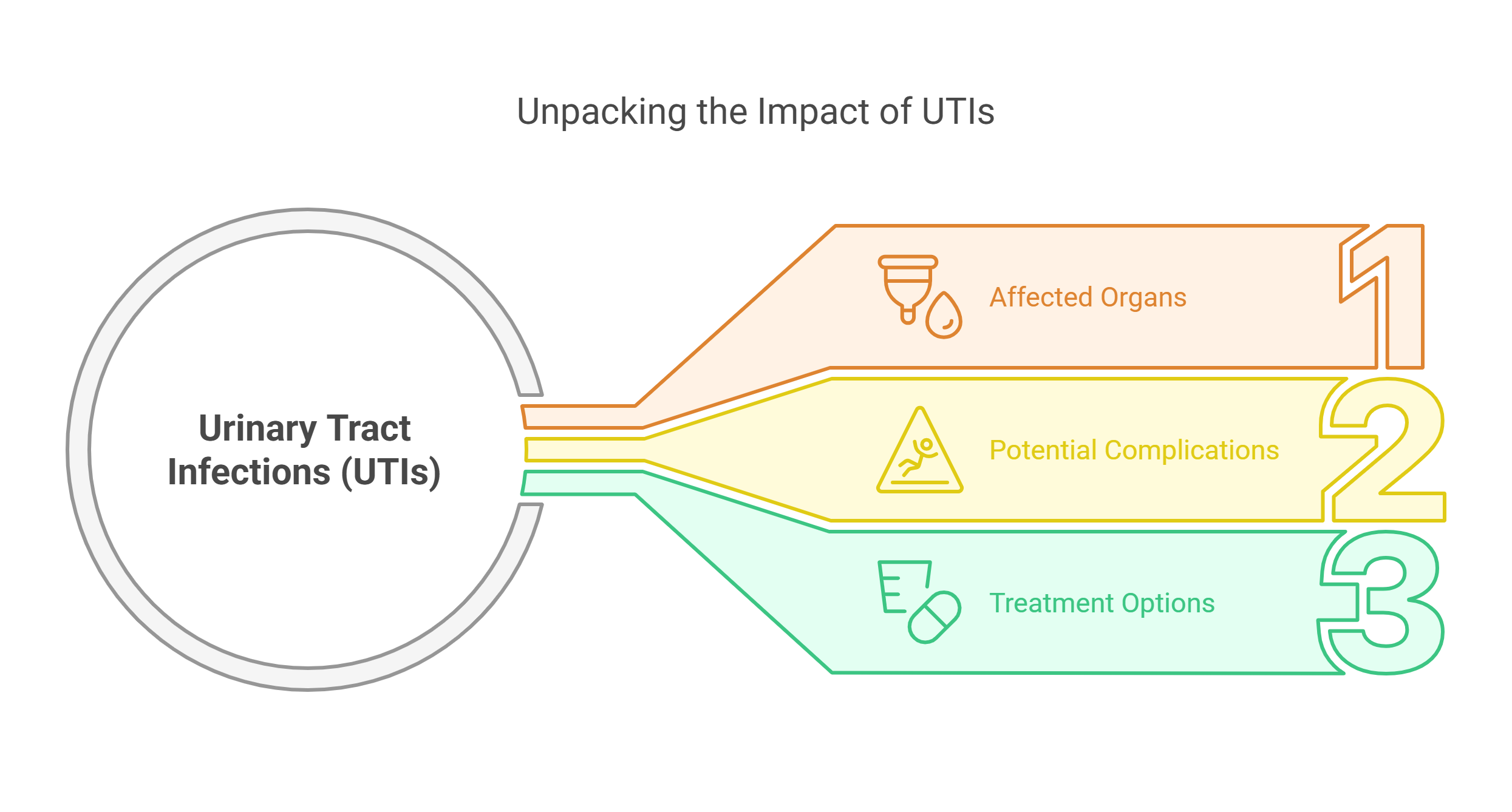
Urinary Tract Infections (UTIs)

Bacterial infections affecting the kidneys, bladder, or urethra, which can lead to kidney damage if untreated.

Conclusion

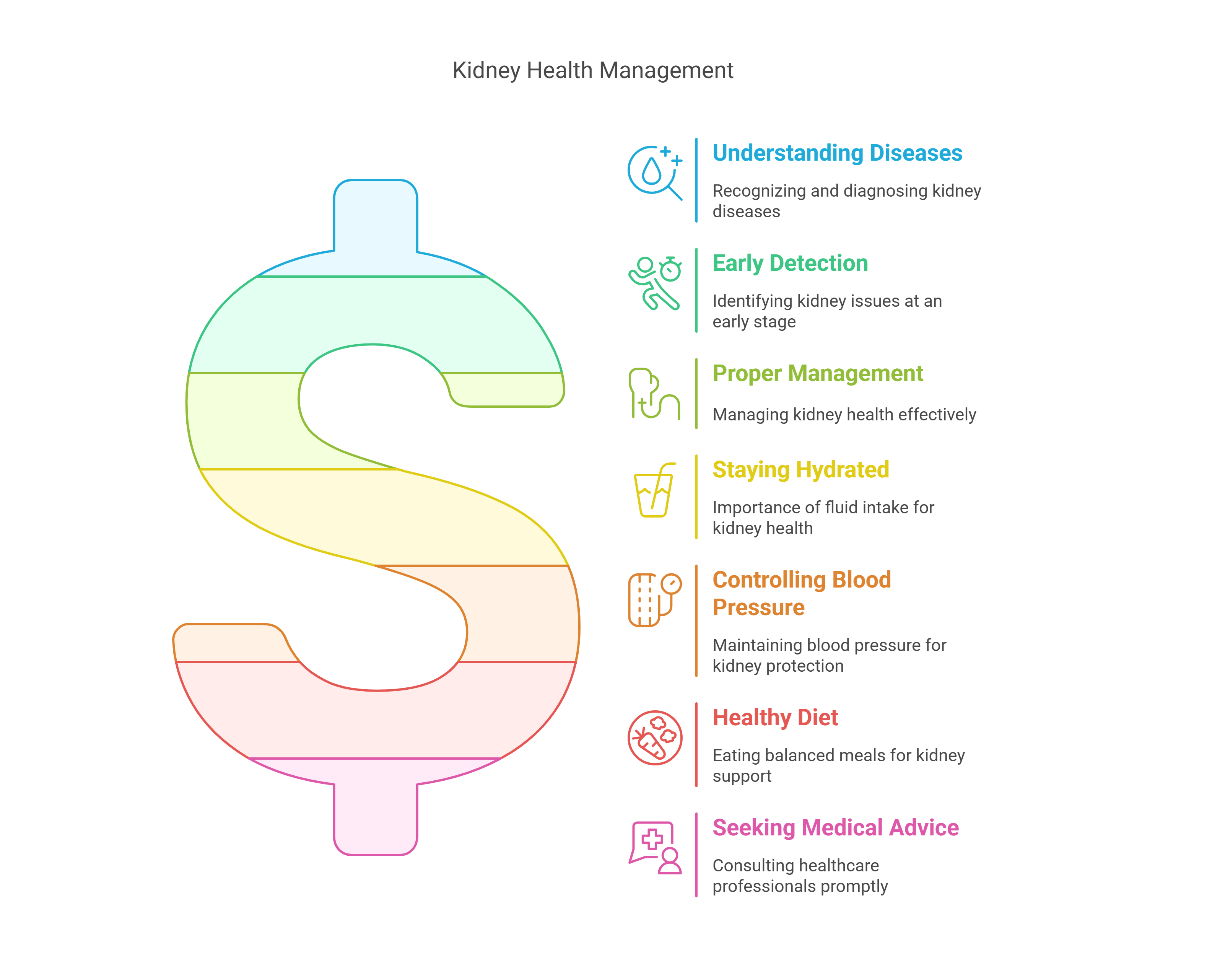
Understanding kidney diseases and their causes helps in early detection and proper management. Staying hydrated, controlling blood pressure, and following a healthy diet can reduce the risk of kidney-related complications. If you experience any symptoms, seek medical advice promptly to prevent further damage.

The Importance of Breakfast for Dialysis Patients

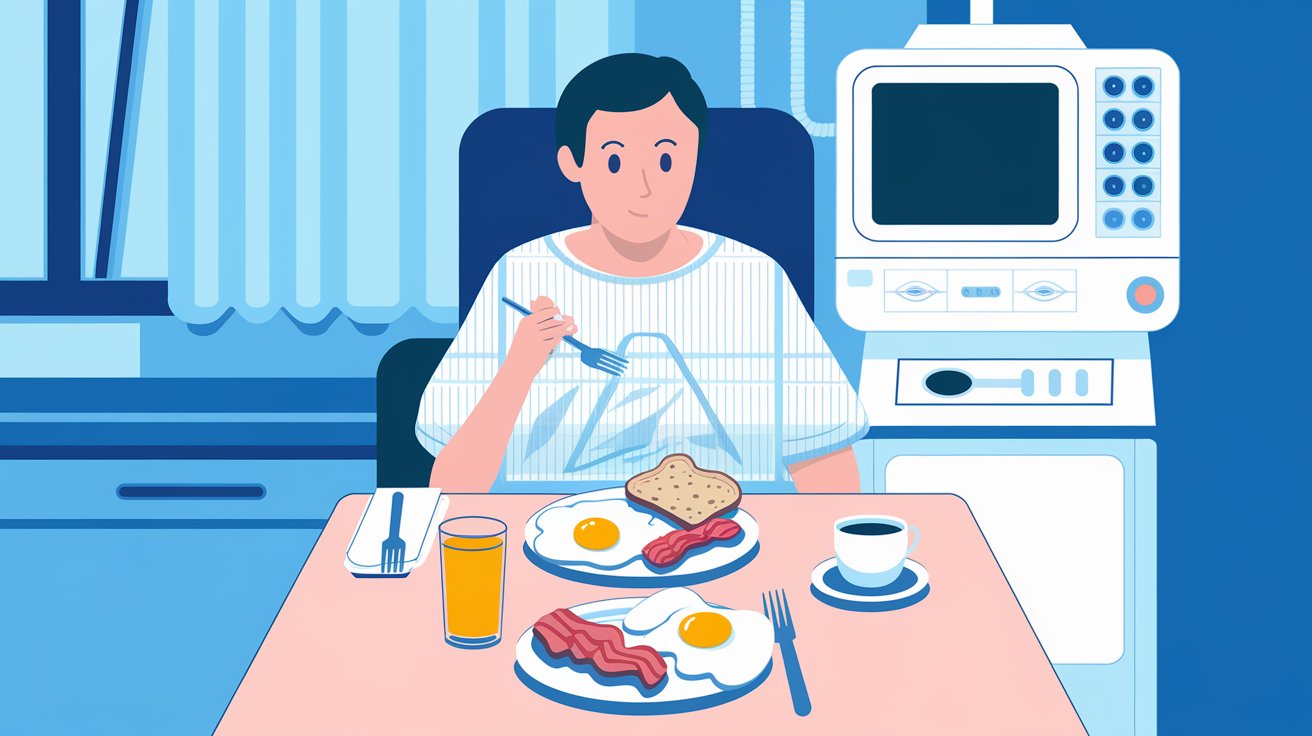
Breakfast is often called the most important meal of the day, and this is especially true for dialysis patients. We at DCDC Kidney Care believe that starting the day with a nutritious meal can provide the energy needed to go through dialysis treatments while maintaining overall health. Since dialysis patients have specific dietary restrictions, choosing the right breakfast foods to support kidney function and overall well-being is crucial. 

Why Breakfast Matters for Dialysis Patients?

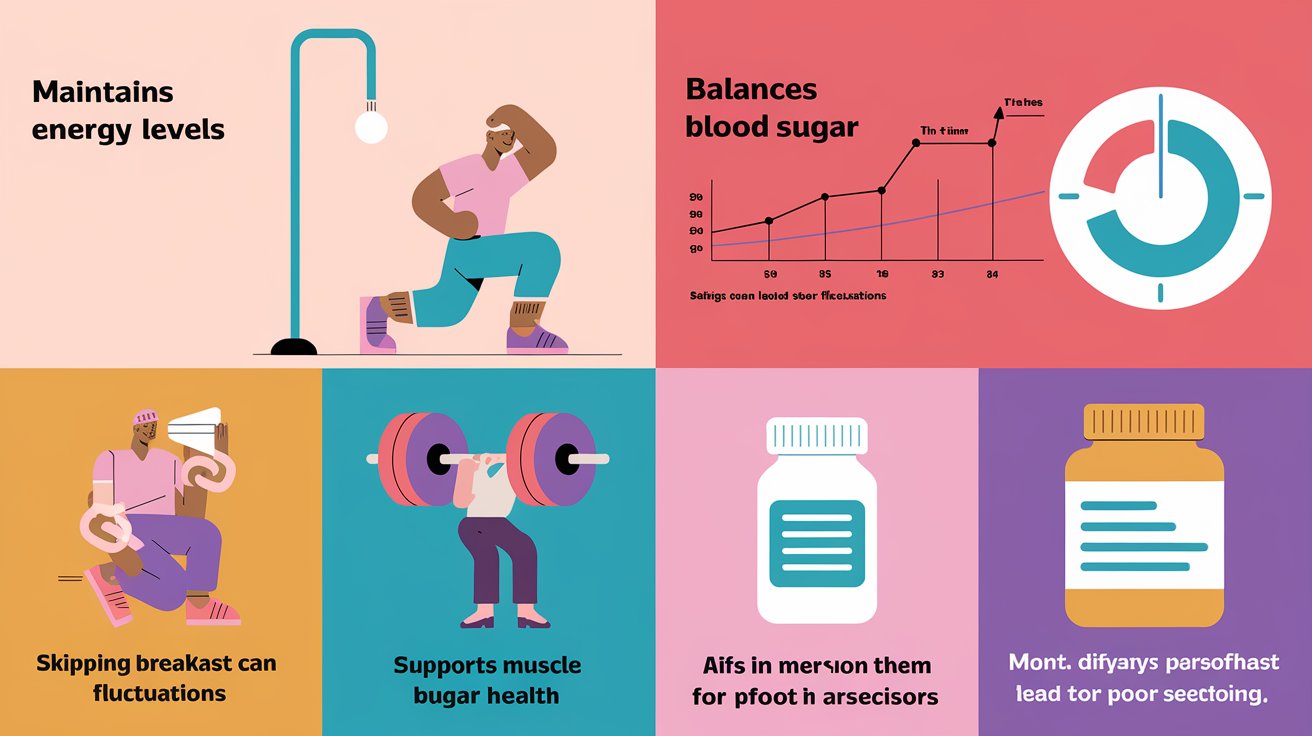
  1. Maintains Energy Levels
    Dialysis can be physically draining, making it essential to fuel the body with the right nutrients. A balanced breakfast helps maintain energy levels, preventing fatigue and weakness throughout the day.
  2. Balances Blood Sugar
    Skipping breakfast can lead to blood sugar fluctuations, especially for those with diabetes, which is common among dialysis patients. Eating a well-balanced meal in the morning helps stabilize blood sugar levels and prevents sudden drops or spikes.
  3. Supports Muscle Health
    Protein intake is vital for dialysis patients to maintain muscle mass. Since dialysis can remove some protein from the body, starting the day with a protein-rich breakfast helps replenish these essential nutrients.
  4. Aids in Medication Absorption
    Many dialysis patients take medications that require food for proper absorption. Eating breakfast ensures that the medications work effectively and reduces the risk of stomach discomfort.

Healthy Breakfast Choices for Dialysis Patients

  • Eggs Whites: A great source of high-quality protein with low phosphorus levels when eaten in moderation.
  • Oatmeal with Berries: A fiber-rich option that supports digestion while keeping potassium intake in check.
  • Low-Potassium Fruits: Apples, grapes, and berries are good choices.
  • White Toast with Butter or Jam: A simple yet effective way to add carbohydrates for energy.

Final Thoughts

A well-balanced breakfast sets the tone for the rest of the day, giving dialysis patients the strength and nutrition they need. By choosing kidney-friendly options, patients can maintain their energy, support muscle health, and manage their overall well-being. Always consult a healthcare provider or dietitian for personalized dietary recommendations.

Post-Dialysis Care: A Practical Guide for Indian Patients

Dialysis is a lifeline for those with kidney failure, but what you do after each session is just as important as the treatment itself. Proper post-dialysis care can help reduce fatigue, prevent complications, and improve overall health. Here’s a simple and practical guide tailored for Indian dialysis patients, especially those from middle and lower-middle-class backgrounds.

Allow Your Body to Recover

Dialysis can leave you feeling weak or tired. Take some time to rest but avoid excessive napping during the day to maintain a good sleep cycle at night. Engaging in light, non-strenuous activities such as deep breathing exercises, sitting in fresh air, or listening to music can help refresh your mind and body without overexertion.

Manage Your Fluid Intake

You might feel thirsty after dialysis, but drinking too much water can lead to swelling and breathing issues. Stick to the fluid limits set by your doctor. If you feel dry-mouthed, try sucking on ice chips (if allowed) or rinsing your mouth with cold water.

Watch Your Weight and Blood Pressure

After dialysis, weigh yourself and check your blood pressure regularly. Sudden weight gain or high blood pressure may indicate fluid buildup or other problems. Keep a small diary or use a mobile app to track these readings and share them with your doctor.

Eat Right for Recovery

Good nutrition helps your body recover. Follow a simple, affordable dialysis-friendly diet:

  • Proteins: Include dal, eggs, curd, or well-cooked chicken/fish to maintain strength.
  • Fruits & Vegetables: Choose low-potassium options like apples, guava, cabbage, and bottle gourd.
  • Salt & Spice: Reduce salt intake to avoid water retention and high BP. Use lemon, herbs, or homemade masala for taste.
  • Fluids: Avoid excess water, juices, or soft drinks. Instead, take small sips of allowed fluids throughout the day.

Recognize Warning Signs

Some patients may feel dizzy, have headaches, or experience muscle cramps after dialysis. If symptoms persist or worsen, inform your dialysis center immediately. Keeping a small symptom diary can help your doctor adjust your treatment.

Care for Your Dialysis Access Site

To prevent infection, keep your access site (fistula or catheter area) clean and dry:

  • Wash hands before touching the site.
  • Avoid scratching or rubbing the area.
  • If you notice redness, swelling, or pus, inform your doctor immediately.

Keep Your Body Moving

While resting is important, staying completely inactive can cause stiffness and weakness. Simple movements like stretching your arms, rotating your ankles, or taking a short walk at home can boost circulation and help recovery. Avoid heavy exercise and always check with your doctor before starting any new activity.

Take Medicines on Time

Your medicines are essential for managing blood pressure, bone health, and preventing complications. Never skip doses or stop taking any medicine without consulting your doctor. If you face difficulty affording medicines, ask your healthcare provider about government schemes or affordable alternatives.

Manage Stress and Mental Health

Dialysis can be emotionally draining but staying positive helps. Engage in relaxing activities like listening to bhajans, reading, or chatting with friends and family. Joining a local dialysis patient support group or talking to someone who understands your struggles can be helpful.

Plan Ahead for Your Next Session

Being prepared reduces stress. Keep your dialysis days organized:

  • Arrange transportation in advance.
  • Wear loose, comfortable clothes.
  • Carry a light snack (if permitted) to avoid feeling weak after treatment.

Conclusion

Post-dialysis care doesn’t have to be complicated or expensive. Simple lifestyle changes and careful monitoring can make a huge difference in your well-being. Follow these steps, stay in touch with your healthcare team, and take charge of your health to live a fuller, healthier life.

Author: Dr. Deepak Agarwal

VP- Clinical 

DCDC Kidney Care