

Understanding Dialysis
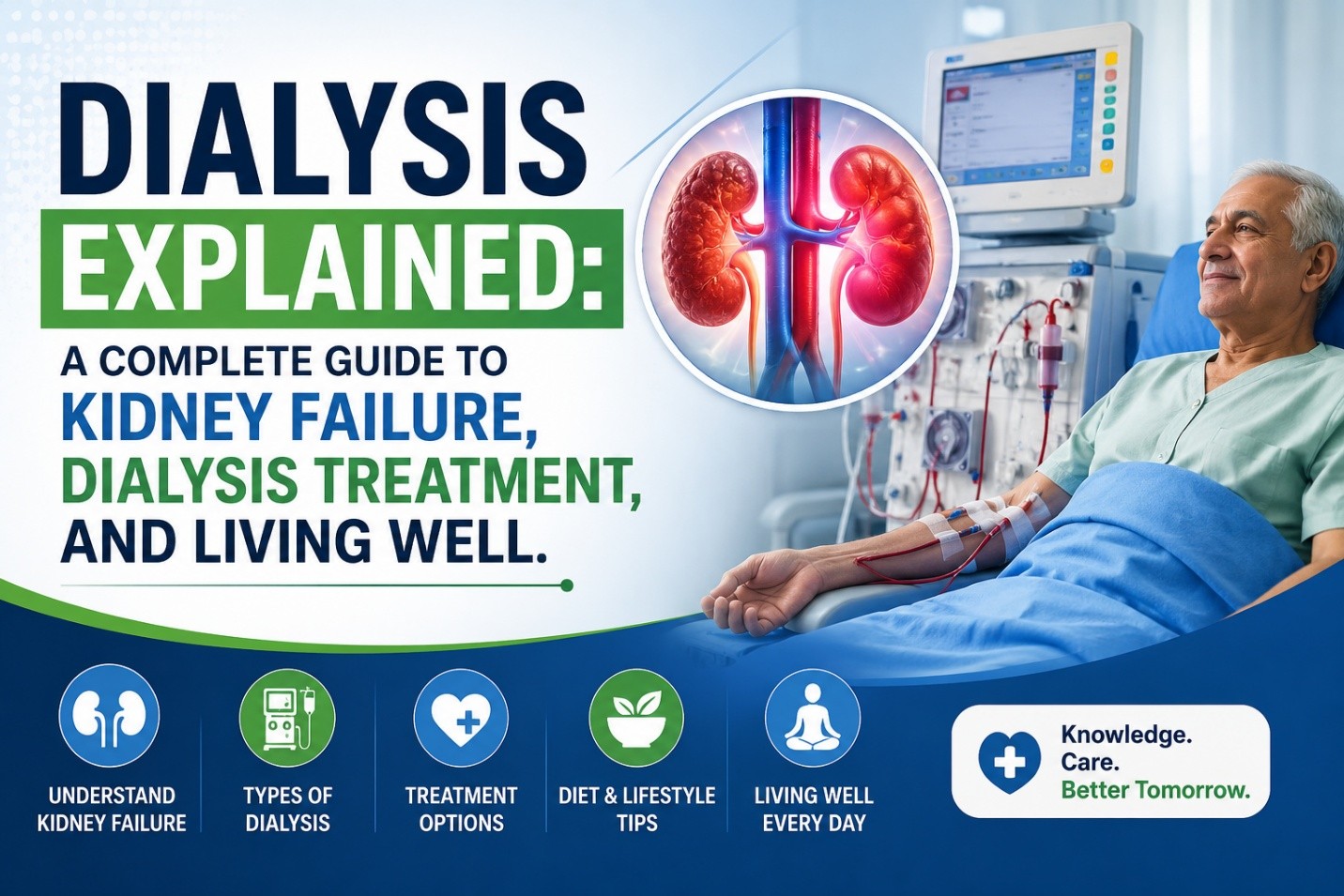
Our kidneys are among the hardest-working organs in the body. Every minute, they filter blood, remove waste, balance fluids, regulate electrolytes, support healthy blood pressure, and even help produce hormones that keep our bones strong and stimulate red blood cell production. Although we rarely think about them, healthy kidneys are essential for overall well-being.
When the kidneys gradually lose their ability to perform these vital functions, waste products and excess fluids begin to build up in the body. If kidney function declines to a critical level, the body can no longer maintain its natural balance on its own. This is when dialysis becomes a life-saving treatment.
For many people, hearing the word “dialysis” can be frightening. It often raises questions about daily life, treatment, and the future. However, modern dialysis has helped millions of people continue living active, productive, and fulfilling lives. Understanding how dialysis works can help patients and their families feel more confident and prepared.
In this guide, we’ll explain everything you need to know about dialysis, including why it’s needed, the different treatment options, what to expect during treatment, and how patients can maintain a good quality of life.
Dialysis is a medical treatment that performs many of the important jobs normally carried out by healthy kidneys. When the kidneys can no longer filter the blood effectively, dialysis removes waste products, toxins, and excess fluid while helping maintain a healthy balance of minerals such as sodium, potassium, and calcium.
Although dialysis cannot restore damaged kidneys or cure chronic kidney disease, it can effectively replace many of their essential functions. For people living with advanced kidney disease, dialysis is often the treatment that keeps the body functioning properly and prevents serious, life-threatening complications.
Why Do Kidneys Fail?
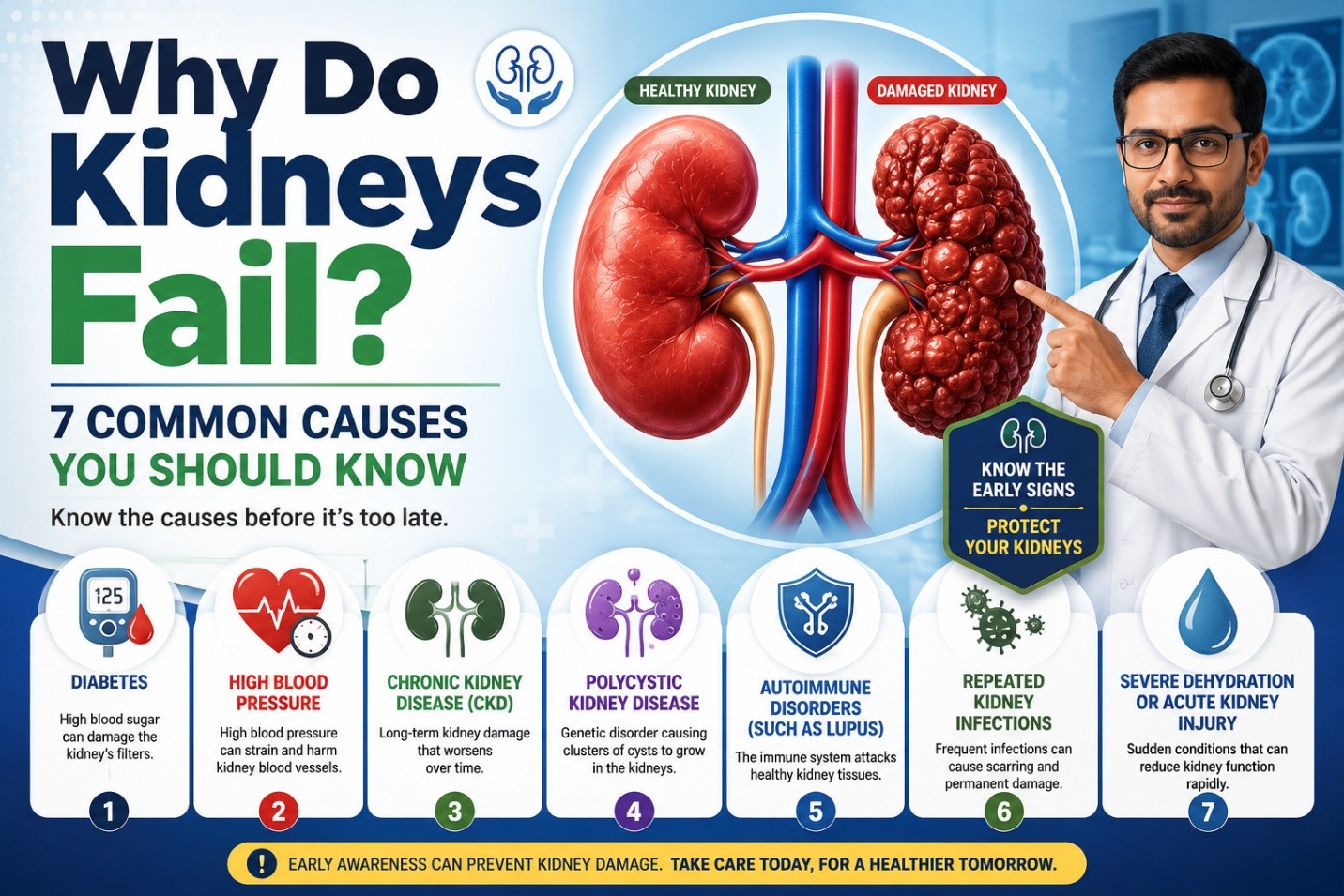
Kidney failure usually develops gradually over several years as a result of long-term damage to the kidneys. In some cases, it can occur suddenly due to severe illness or injury.
Some of the most common causes of kidney failure include:
- Diabetes
- High blood pressure (hypertension)
- Chronic kidney disease (CKD)
- Polycystic kidney disease
- Autoimmune disorders such as lupus
- Repeated kidney infections
- Severe dehydration or acute kidney injury
- Certain inherited kidney conditions
Among these, diabetes and uncontrolled high blood pressure remain the leading causes of chronic kidney disease worldwide.
As kidney function declines, harmful waste products such as urea and creatinine begin accumulating in the bloodstream. Excess water also remains in the body instead of being removed through urine. Without treatment, this buildup affects almost every organ and can become life-threatening.
When Is Dialysis Needed?
Doctors do not recommend dialysis based on a single laboratory number alone. Instead, they consider several factors, including kidney function, blood test results, symptoms, and the patient’s overall health.
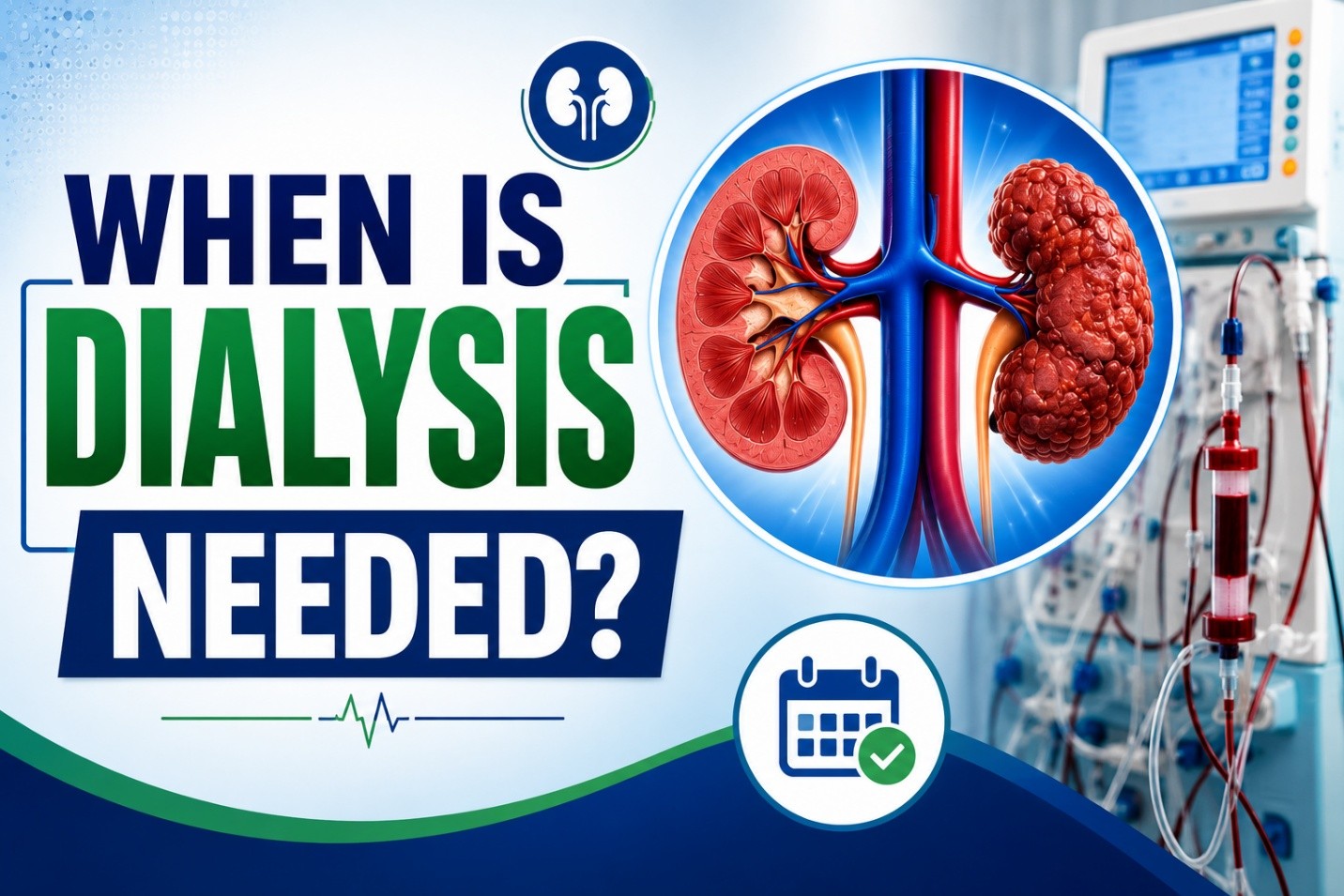
In most cases, dialysis becomes necessary when kidney function falls below approximately 10–15% of normal and symptoms begin affecting daily life.
Some warning signs that may indicate advanced kidney failure include:
- Constant tiredness or weakness
- Swelling in the legs, ankles, feet, or face
- Shortness of breath
- Nausea or vomiting
- Poor appetite
- Difficulty sleeping
- Muscle cramps
- Persistent itching
- Reduced urine output
- Difficulty concentrating or confusion
- High blood pressure that becomes difficult to control
These symptoms occur because the kidneys are no longer able to remove waste and maintain the body’s natural balance.
Types of Dialysis
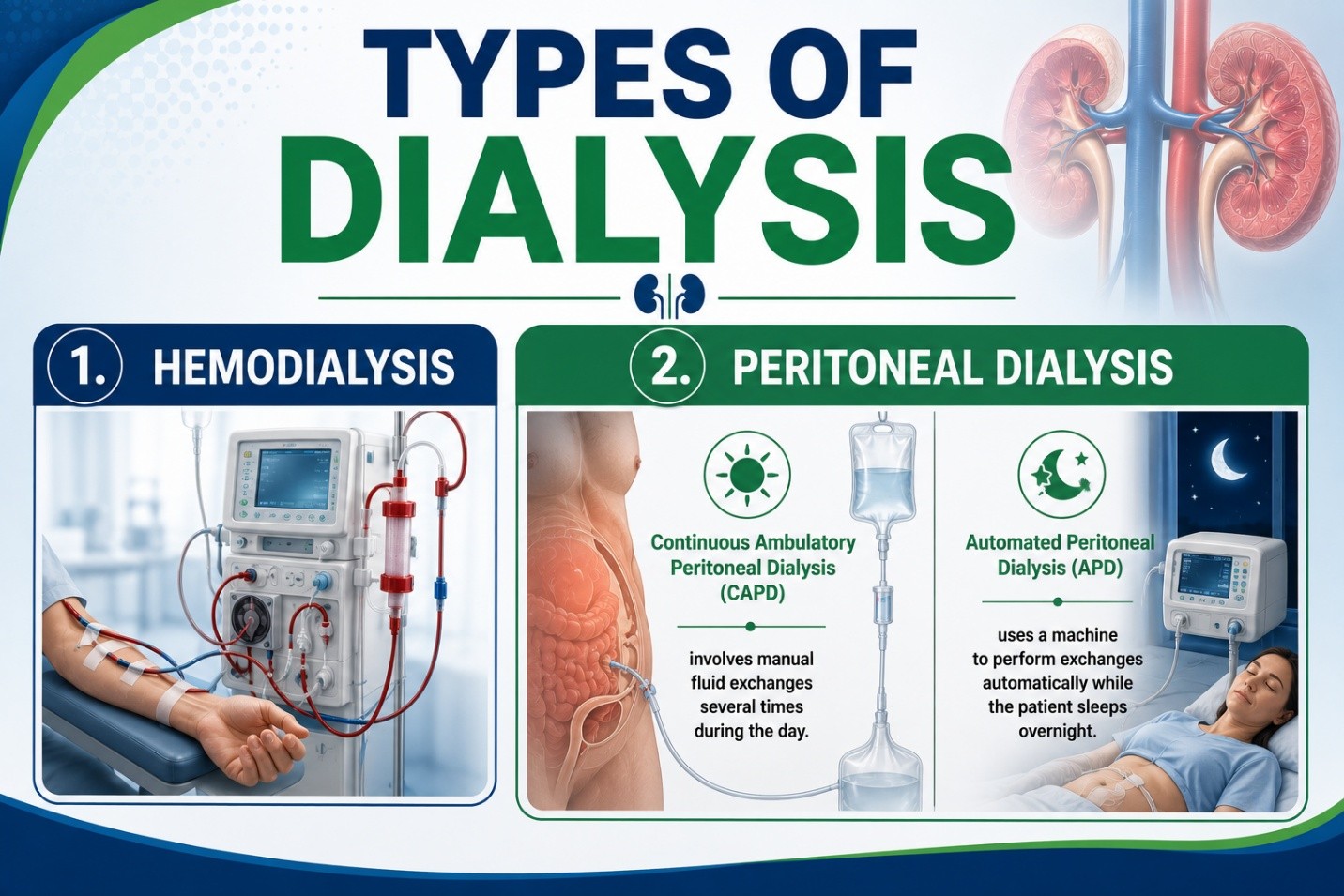
There are two main types of dialysis. Both perform similar functions, but they work in different ways. Your nephrologist will recommend the most suitable option based on your medical condition, lifestyle, and personal preferences.
- Hemodialysis
Hemodialysis is the most commonly used dialysis treatment.
During each session, blood is taken from the body through a specially created vascular access. The blood passes through a dialyzer, often called an artificial kidney, where it is cleaned before being safely returned to the body.
Most patients receive hemodialysis three times a week, with each treatment lasting about four hours. However, treatment schedules may vary depending on individual medical needs.
Hemodialysis can be performed:
- At a dialysis centre under the supervision of trained healthcare professionals
- At home after receiving specialized training and equipment
In-centre dialysis allows patients to receive continuous monitoring and support from experienced dialysis staff.
- Peritoneal Dialysis
Peritoneal dialysis works differently. Instead of using a dialysis machine to filter blood, it uses the body’s own abdominal lining, known as the peritoneum, as a natural filter.
A soft catheter is surgically placed into the abdomen. A specially prepared dialysis solution is then introduced into the abdominal cavity. Waste products and excess fluid pass from the blood vessels into the solution, which is later drained and replaced with fresh fluid.
There are two primary forms of peritoneal dialysis:
Continuous Ambulatory Peritoneal Dialysis (CAPD) involves manual fluid exchanges several times during the day.
Automated Peritoneal Dialysis (APD) uses a machine to perform exchanges automatically while the patient sleeps overnight.
Many patients appreciate the flexibility and independence that peritoneal dialysis offers, especially those who wish to maintain work or travel schedules.
How Does Dialysis Help the Body?
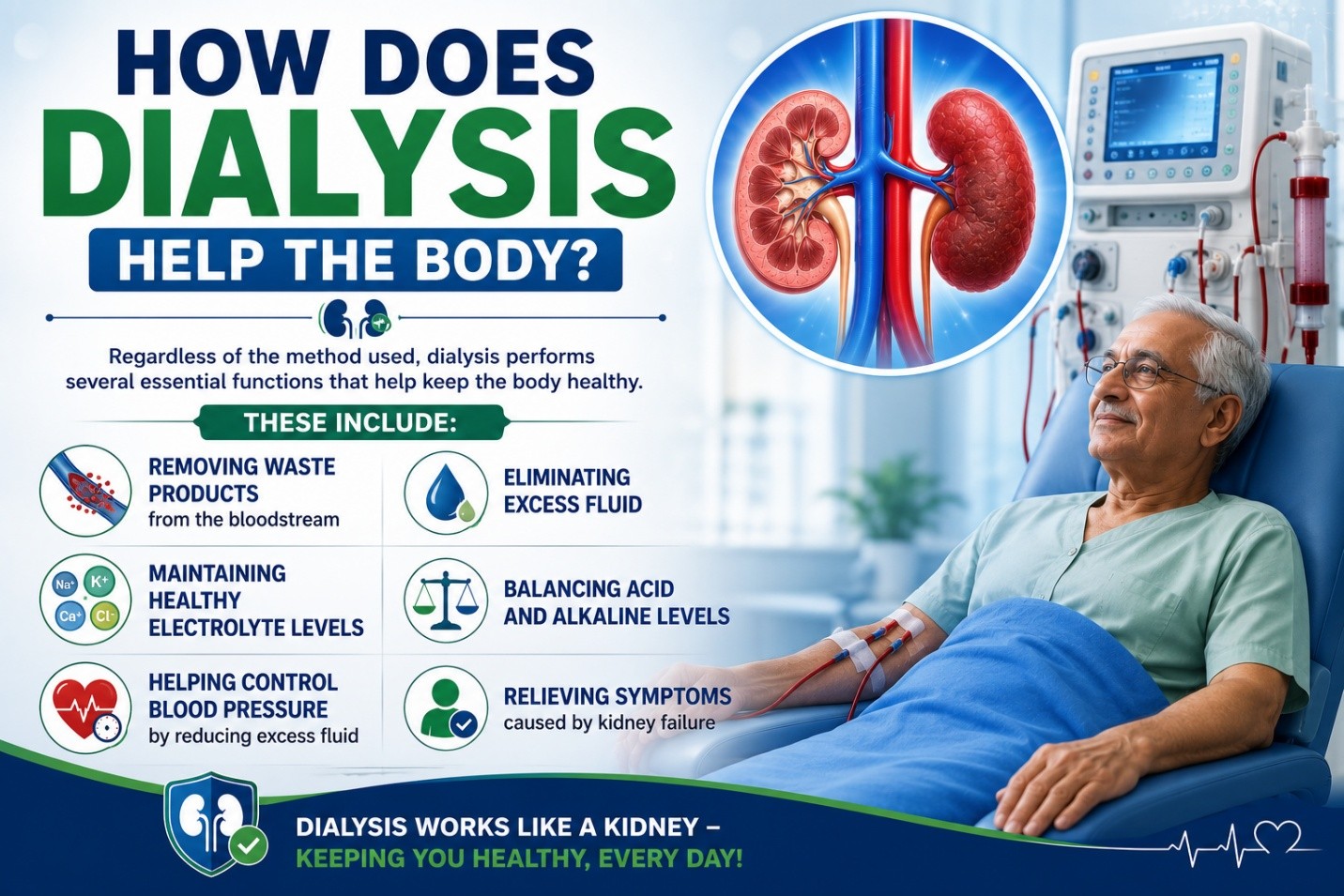
Regardless of the method used, dialysis performs several essential functions that help keep the body healthy.
These include:
- Removing waste products from the bloodstream
- Eliminating excess fluid
- Maintaining healthy electrolyte levels
- Balancing acid and alkaline levels
- Helping control blood pressure by reducing excess fluid
- Relieving symptoms caused by kidney failure
Although dialysis replaces many kidney functions, it cannot completely duplicate everything healthy kidneys do. This is why ongoing medical care, medication, and lifestyle changes remain important.
Preparing for Dialysis Treatment
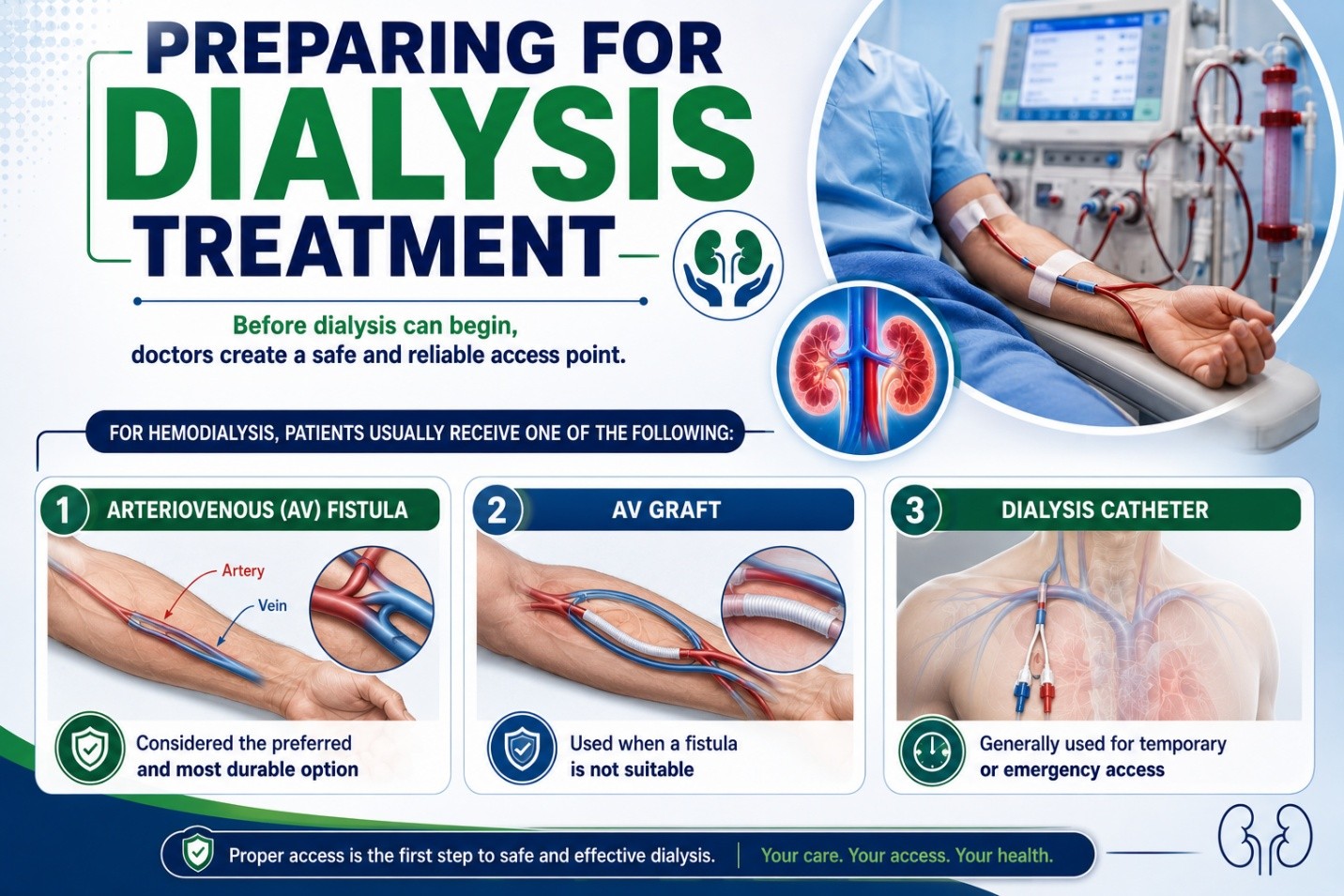
Before dialysis can begin, doctors create a safe and reliable access point.
For hemodialysis, patients usually receive one of the following:
- Arteriovenous (AV) fistula – considered the preferred and most durable option
- AV graft – used when a fistula is not suitable
- Dialysis catheter – generally used for temporary or emergency access
For peritoneal dialysis, a soft catheter is surgically inserted into the abdomen.
Keeping the access site clean and following your healthcare team’s instructions are essential for preventing infection and ensuring effective treatment.
What Happens During a Dialysis Session?
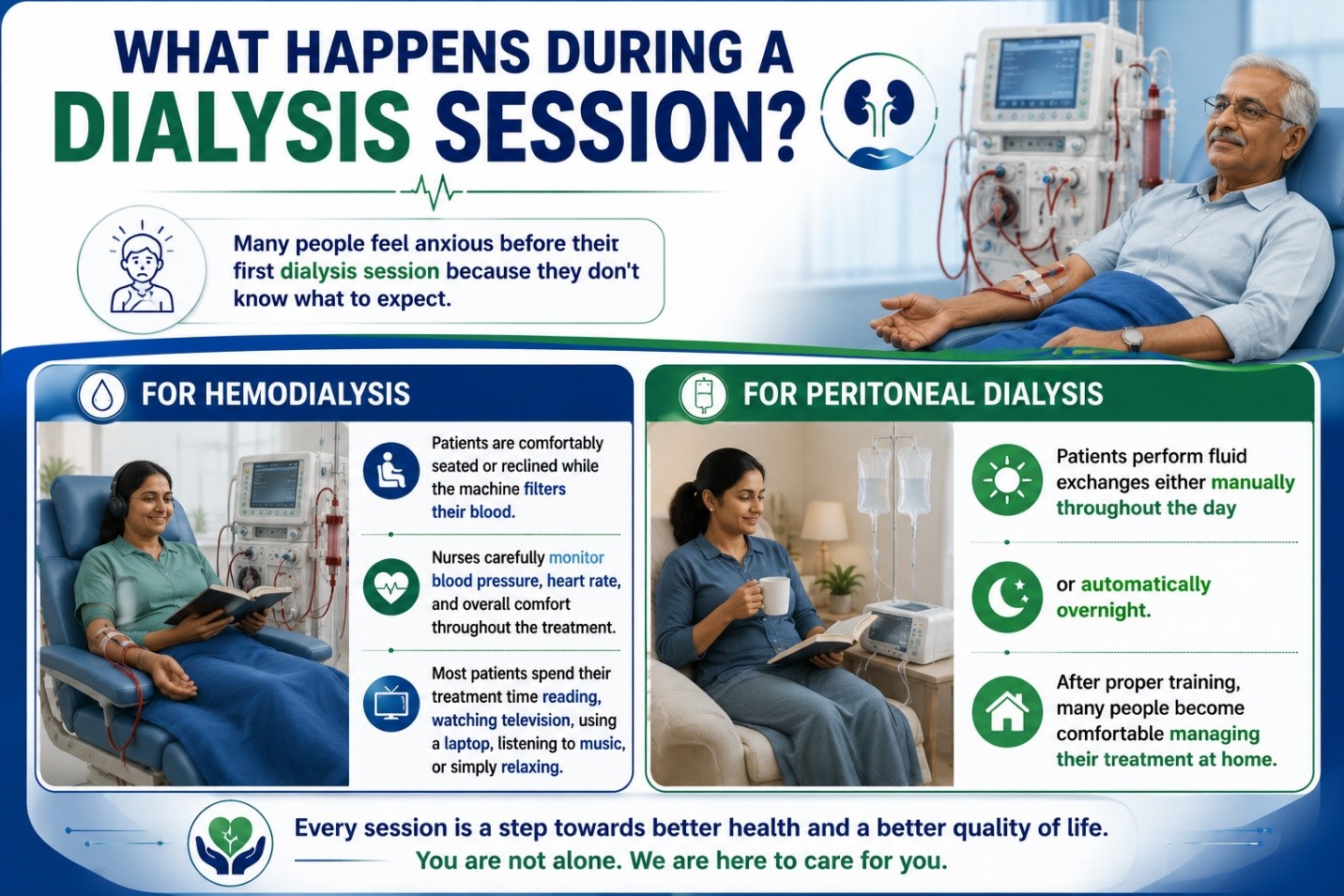
Many people feel anxious before their first dialysis session because they don’t know what to expect.
For hemodialysis, patients are comfortably seated or reclined while the machine filters their blood. Throughout the treatment, nurses carefully monitor blood pressure, heart rate, and overall comfort.
Most patients spend their treatment time reading, watching television, using a laptop, listening to music, or simply relaxing.
Patients receiving peritoneal dialysis perform fluid exchanges either manually throughout the day or automatically overnight. After proper training, many people become comfortable managing their treatment at home.
Is Dialysis Painful?
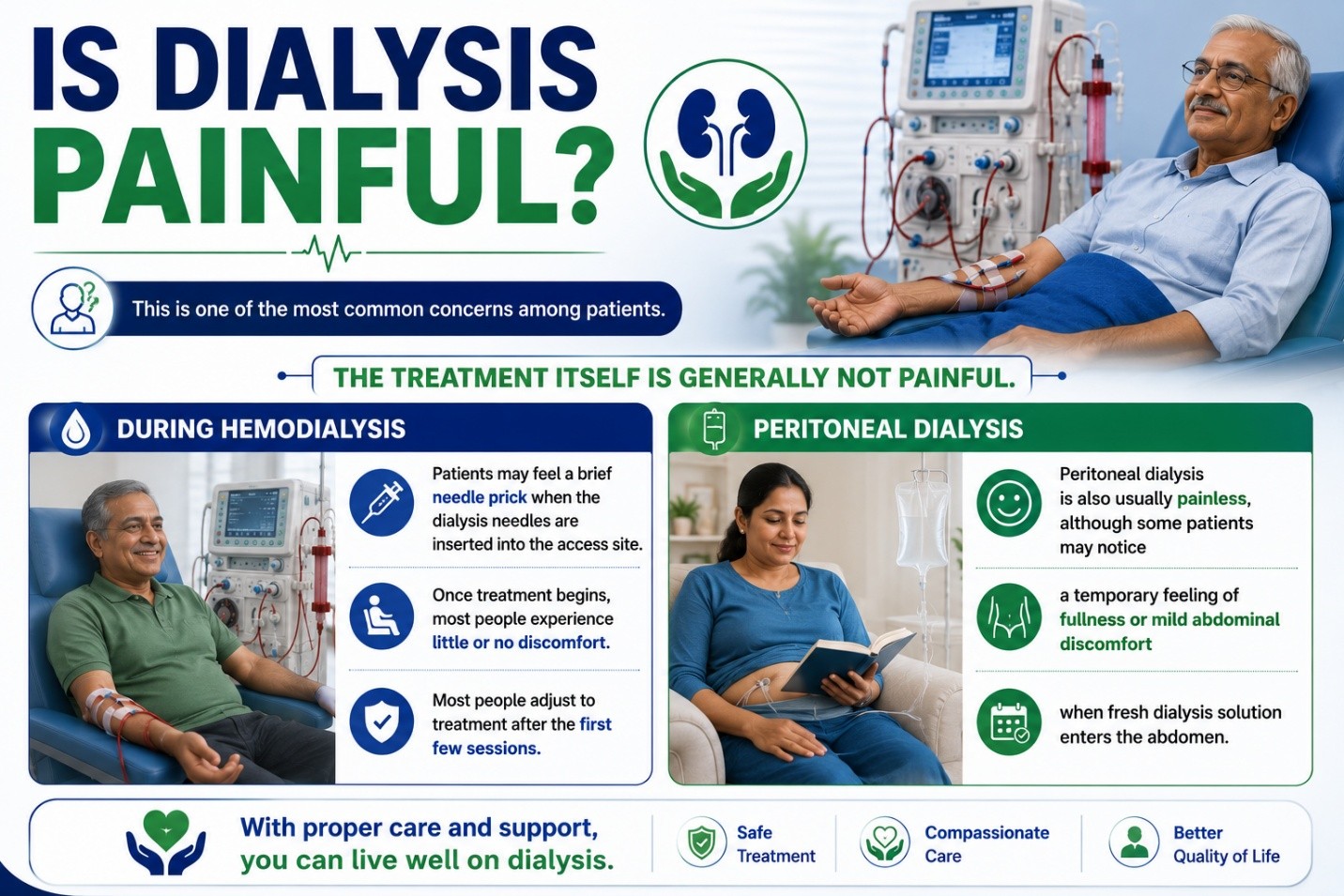
This is one of the most common concerns among patients.
The treatment itself is generally not painful.
During hemodialysis, patients may feel a brief needle prick when the dialysis needles are inserted into the access site. Once treatment begins, most people experience little or no discomfort.
Peritoneal dialysis is also usually painless, although some patients may notice a temporary feeling of fullness or mild abdominal discomfort when fresh dialysis solution enters the abdomen.
Most people adjust to treatment after the first few sessions.
Possible Risks and Complications
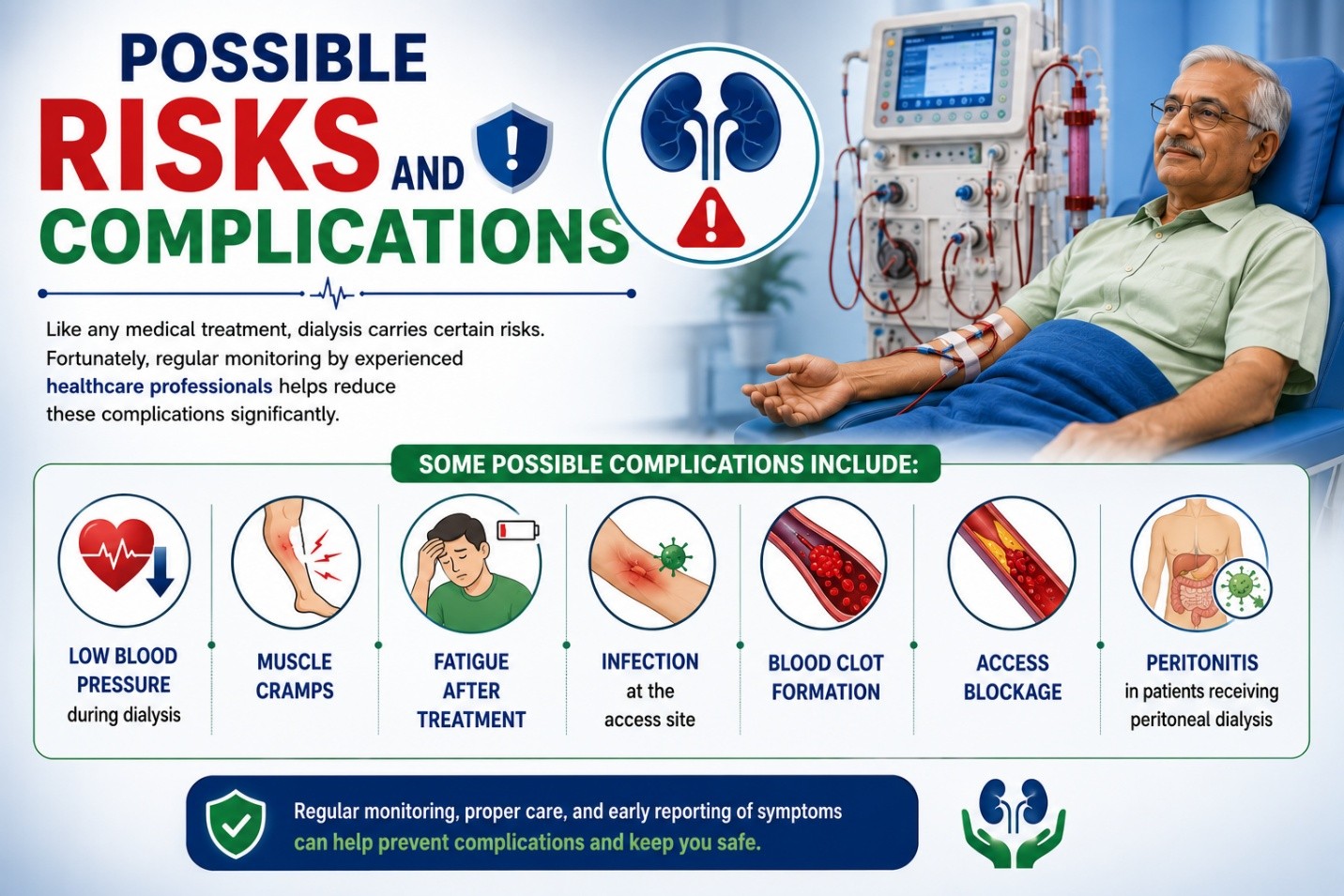
Like any medical treatment, dialysis carries certain risks. Fortunately, regular monitoring by experienced healthcare professionals helps reduce these complications significantly.
Some possible complications include:
- Low blood pressure during dialysis
- Muscle cramps
- Fatigue after treatment
- Infection at the access site
- Blood clot formation
- Access blockage
- Peritonitis in patients receiving peritoneal dialysis
Following hygiene guidelines, attending scheduled appointments, and reporting any unusual symptoms early can help prevent serious complications.
Living a Healthy Life While on Dialysis

Dialysis is not the end of an active life. Many patients continue working, travelling, exercising, pursuing hobbies, and spending meaningful time with family and friends.
To stay as healthy as possible, patients should:
- Attend every scheduled dialysis session
- Follow a kidney-friendly meal plan recommended by a dietitian
- Limit fluid intake when advised
- Take medications exactly as prescribed
- Keep diabetes and blood pressure under control
- Stay physically active within recommended limits
- Attend regular follow-up appointments with a nephrologist
- Avoid smoking and excessive alcohol consumption
A positive attitude, healthy habits, and a supportive healthcare team can make a significant difference in long-term health and quality of life.
Is Dialysis a Lifelong Treatment?
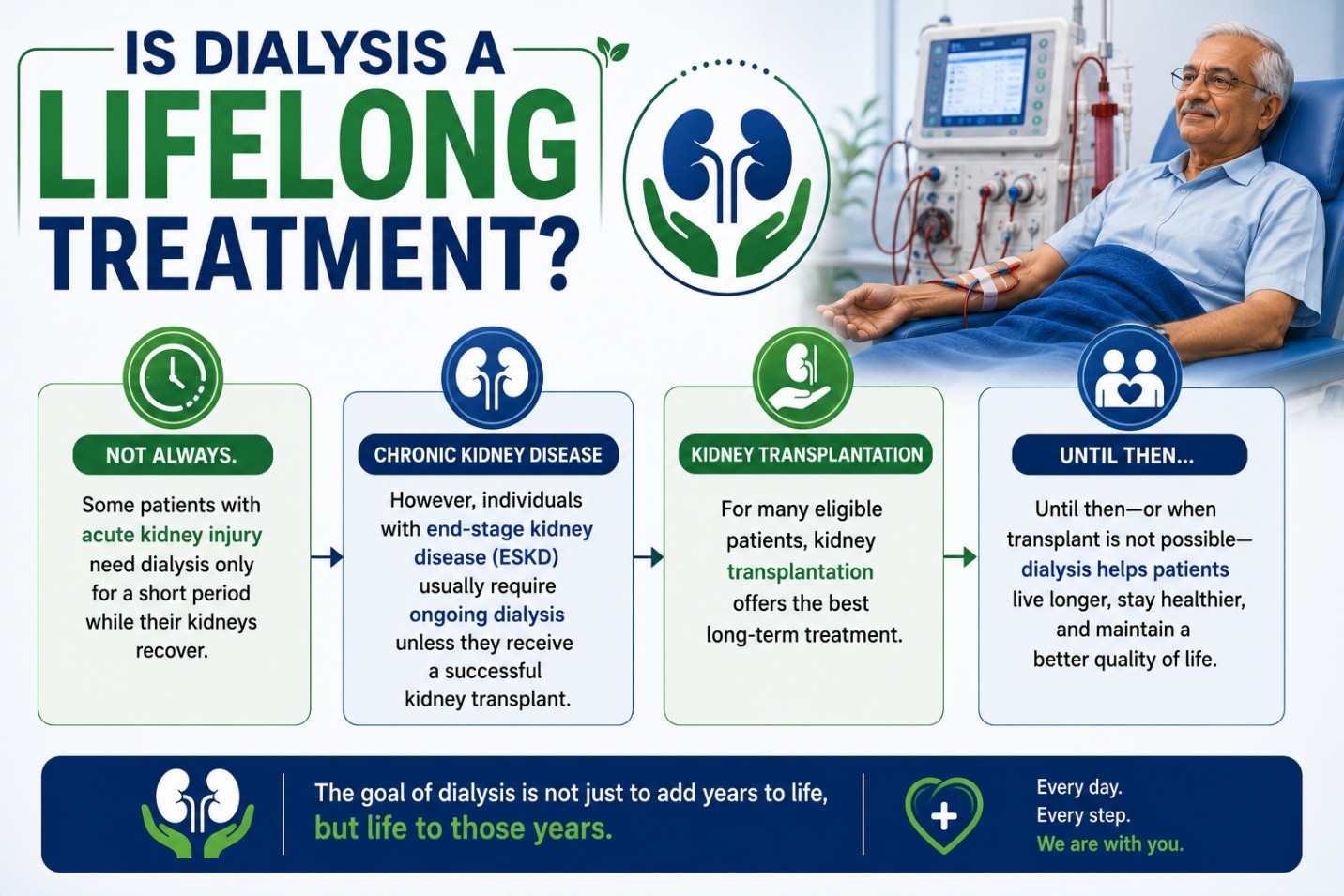
Not always.
Some patients with acute kidney injury need dialysis only for a short period while their kidneys recover.
However, individuals with end-stage kidney disease (ESKD) usually require ongoing dialysis unless they receive a successful kidney transplant.
For many eligible patients, kidney transplantation offers the best long-term treatment. Until then—or when transplantation is not an option—dialysis provides essential, life-sustaining support.
How Family Members Can Help

Living with kidney disease can be physically and emotionally challenging. Family members and caregivers play an important role in supporting patients throughout their treatment journey.
You can help by:
- Encouraging medication adherence
- Preparing kidney-friendly meals
- Assisting with transportation to dialysis sessions
- Providing emotional support and motivation
- Encouraging light physical activity when appropriate
- Watching for signs of infection or treatment-related complications
- Helping patients maintain a positive daily routine
A caring support system often improves confidence, treatment adherence, and overall well-being.
Why Choose DCDC Kidney Care for Dialysis?
When it comes to managing kidney failure, choosing the right dialysis provider can make a significant difference in both treatment outcomes and quality of life. At DCDC Kidney Care, we are committed to delivering safe, affordable, and patient-centric dialysis services through standardized clinical protocols and advanced medical technology. Founded in 2009, DCDC has grown into one of India’s leading dialysis care providers, helping thousands of patients receive quality treatment closer to home. (DCDC Kidney Care)
With 250+ dialysis centres across India, DCDC is expanding access to life-saving kidney care in both metropolitan cities and remote regions, ensuring that patients don’t have to travel long distances for regular dialysis. Our mission is to provide high-quality dialysis at affordable prices while maintaining the highest standards of safety and clinical excellence. (DCDC Kidney Care)
You can help by:
- Encouraging medication adherence
- Preparing kidney-friendly meals
- Assisting with transportation to dialysis sessions
- Providing emotional support and motivation
- Encouraging light physical activity when appropriate
- Watching for signs of infection or treatment-related complications
- Helping patients maintain a positive daily routine
A caring support system often improves confidence, treatment adherence, and overall well-being.
Comprehensive Kidney Care Under One Roof
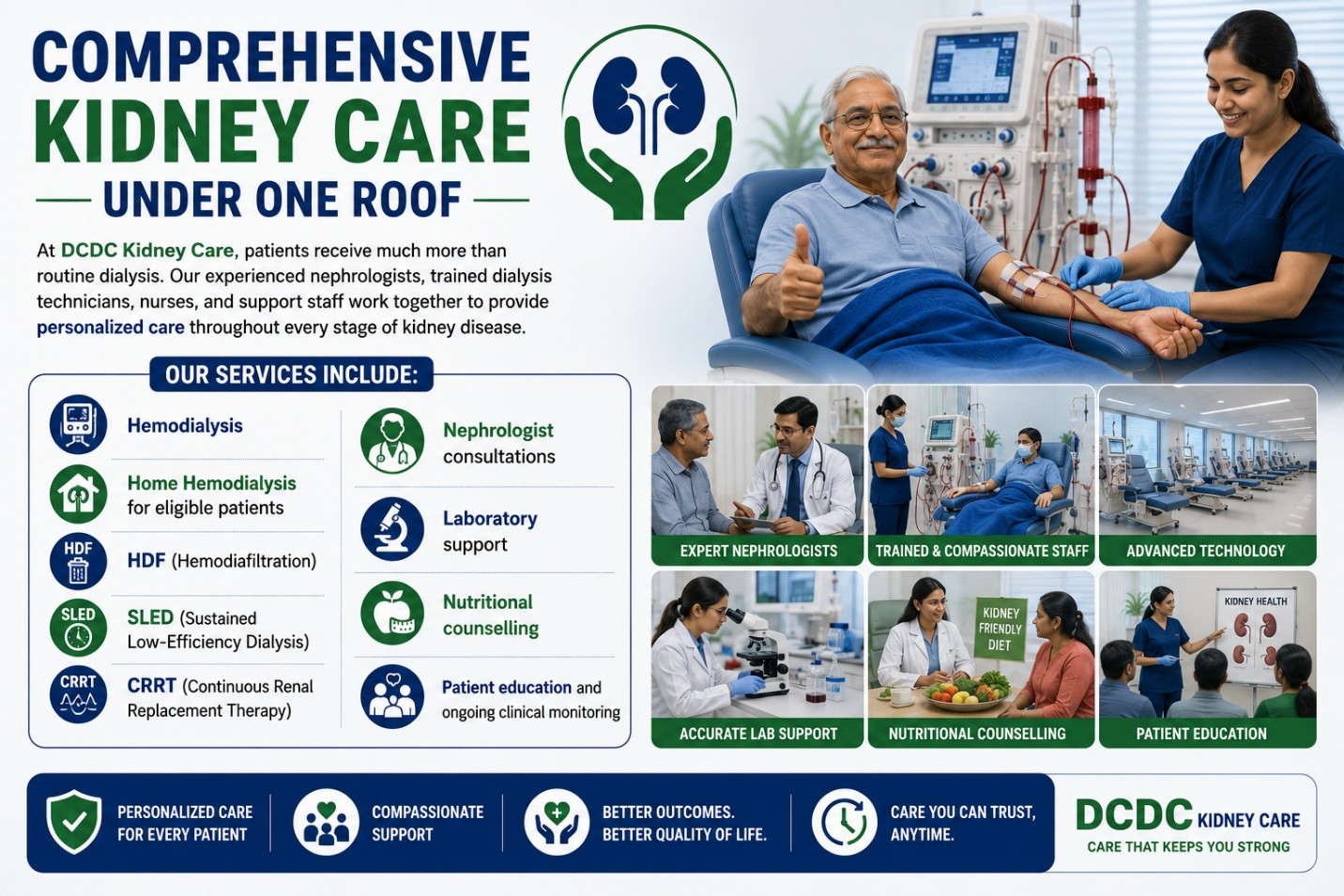
At DCDC Kidney Care, patients receive much more than routine dialysis. Our experienced nephrologists, trained dialysis technicians, nurses, and support staff work together to provide personalized care throughout every stage of kidney disease.
Our services include:
- Hemodialysis
- Home Hemodialysis for eligible patients
- HDF (Hemodiafiltration)
- SLED (Sustained Low-Efficiency Dialysis)
- CRRT (Continuous Renal Replacement Therapy)
- Nephrologist consultations
- Laboratory support
- Nutritional counselling
- Patient education and ongoing clinical monitoring (enquiry.dcdc.co.in)
Every dialysis centre is equipped with advanced dialysis machines, modern RO water purification systems, and follows stringent infection-control protocols to provide a safe and comfortable treatment environment. (DCDC Kidney Care)
Patient-Centred Care That Goes Beyond Treatment
Living with kidney disease requires continuous medical care, emotional support, and lifestyle guidance. At DCDC Kidney Care, we believe that every patient deserves compassionate care that extends beyond dialysis sessions.
Our dedicated teams focus on:
- Individualized treatment plans
- Strict infection prevention measures
- Comfortable and hygienic dialysis environments
- Flexible dialysis scheduling, including night dialysis at selected centres
- Continuous monitoring by experienced healthcare professionals
- Support for patients and caregivers throughout their treatment journey (DCDC Kidney Care)
Find a DCDC Kidney Care Centre Near You
Whether you’re newly diagnosed with chronic kidney disease or looking for a trusted dialysis provider, DCDC Kidney Care is here to support you every step of the way. With an extensive network of dialysis centres across India, expert clinical teams, and a patient-first approach, we are dedicated to helping people with kidney disease live healthier and more fulfilling lives.
To learn more about our services, locate your nearest dialysis centre, or book a consultation, visit DCDC Kidney Care. You can also explore our nationwide network of centres through the Find a DCDC Centre page.
Conclusion
A diagnosis of kidney failure can feel overwhelming, but it is not the end of the road. With timely treatment, expert medical care, and the right lifestyle choices, many people on dialysis continue to lead meaningful, active, and rewarding lives.
Modern dialysis technology has transformed kidney care, making treatment safer, more effective, and more accessible than ever before. The key is recognizing kidney disease early, seeking guidance from a qualified nephrologist, and starting treatment at the right time.
If you or someone you care about has been diagnosed with chronic kidney disease or is experiencing symptoms of kidney failure, don’t delay seeking medical advice. Early intervention can help prevent complications, improve quality of life, and provide the best possible path toward long-term kidney health.