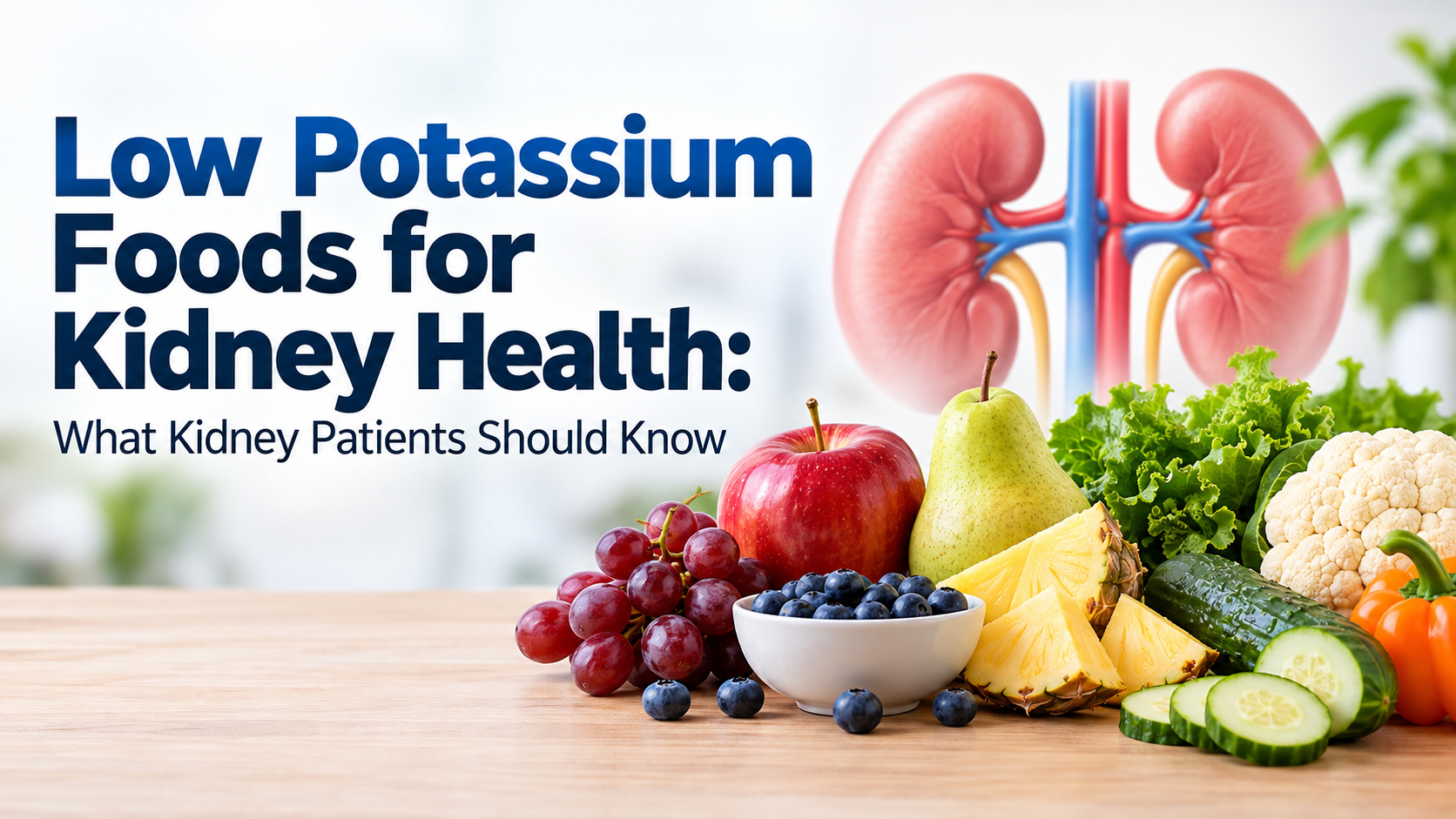
Low Potassium Foods for Kidney Health: What Kidney Patients Should Know
For people living with kidney disease, diet is an important part of staying healthy. One nutrient that often needs attention is potassium. Healthy kidneys help remove extra potassium from the blood. When kidney function is reduced, potassium can build up in the body and may affect the heart and muscles.
This does not mean you have to eat a boring diet. There are many healthy, lower-potassium foods that can be included in your meals.
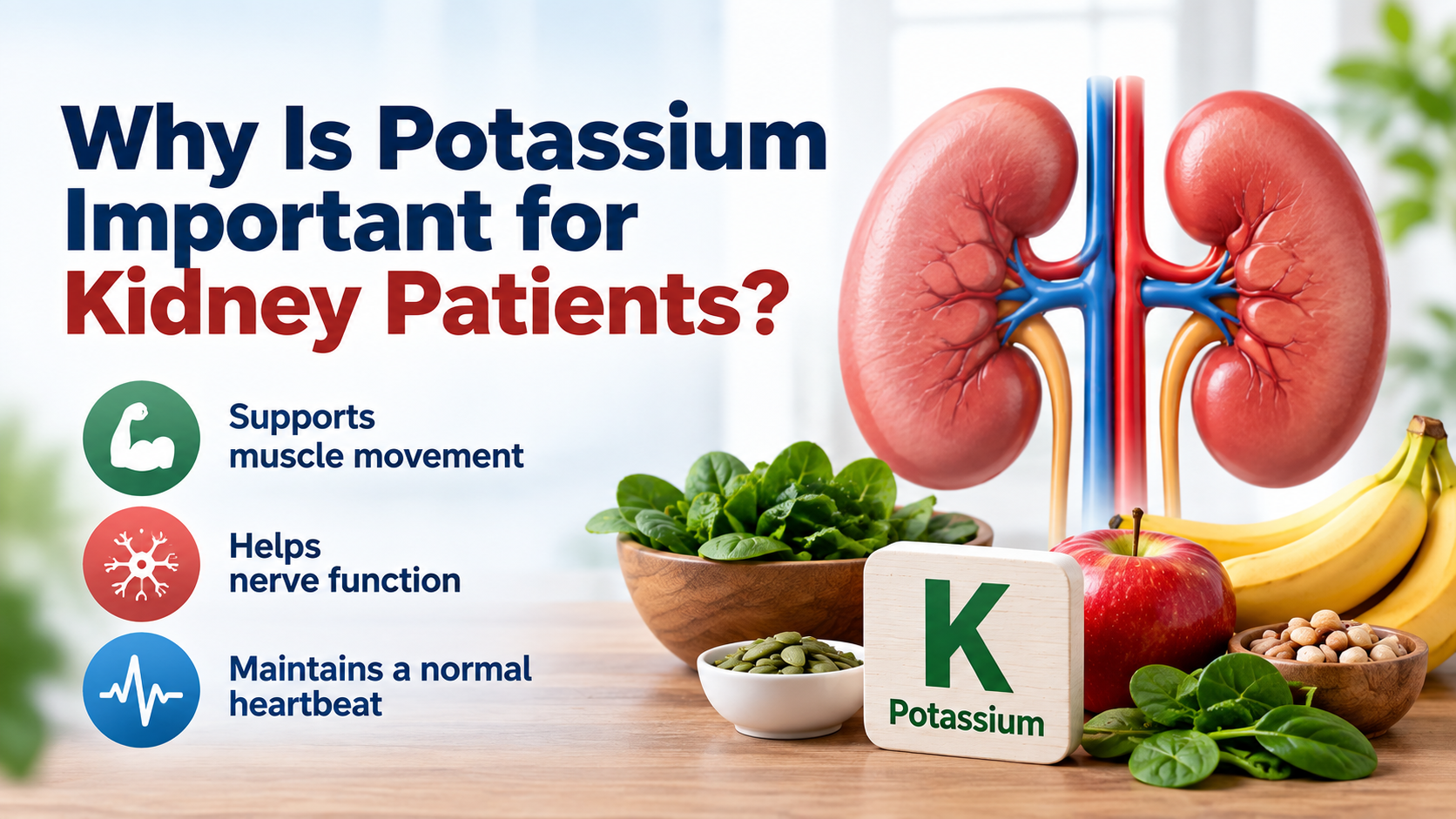
Why Is Potassium Important for Kidney Patients?
Potassium helps the body with muscle movement, nerve function, and maintaining a normal heartbeat. However, having too much potassium in the blood can be dangerous.
Your doctor may recommend limiting potassium if your blood tests show that your potassium level is high.
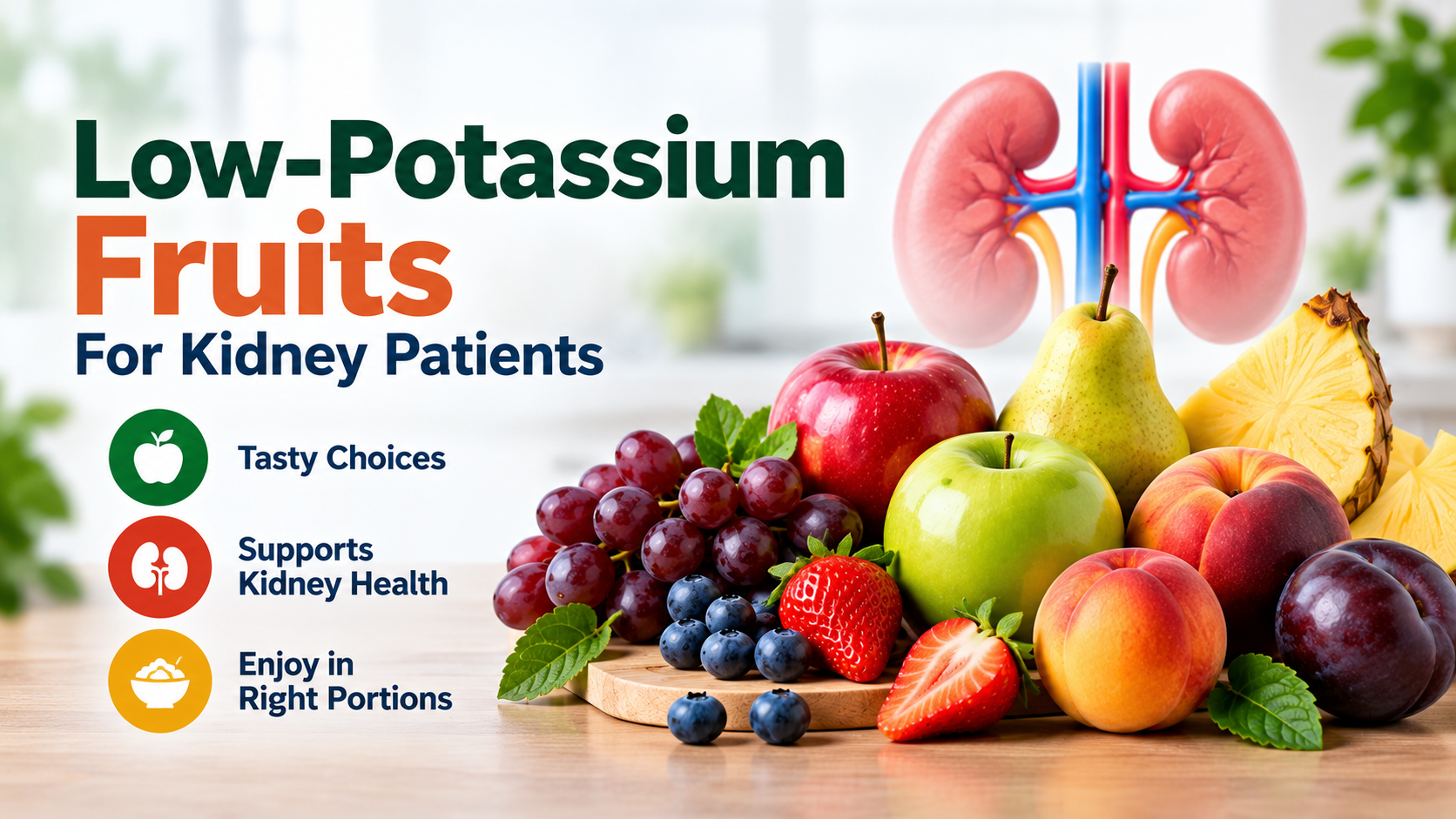
Low-Potassium Fruits
Fruit can still be part of a kidney-friendly diet. Some fruits that are generally lower in potassium include:
Apples
Grapes
Pears
Pineapple
Berries
Peaches
Plums
Portion size is important, even when choosing lower-potassium foods.
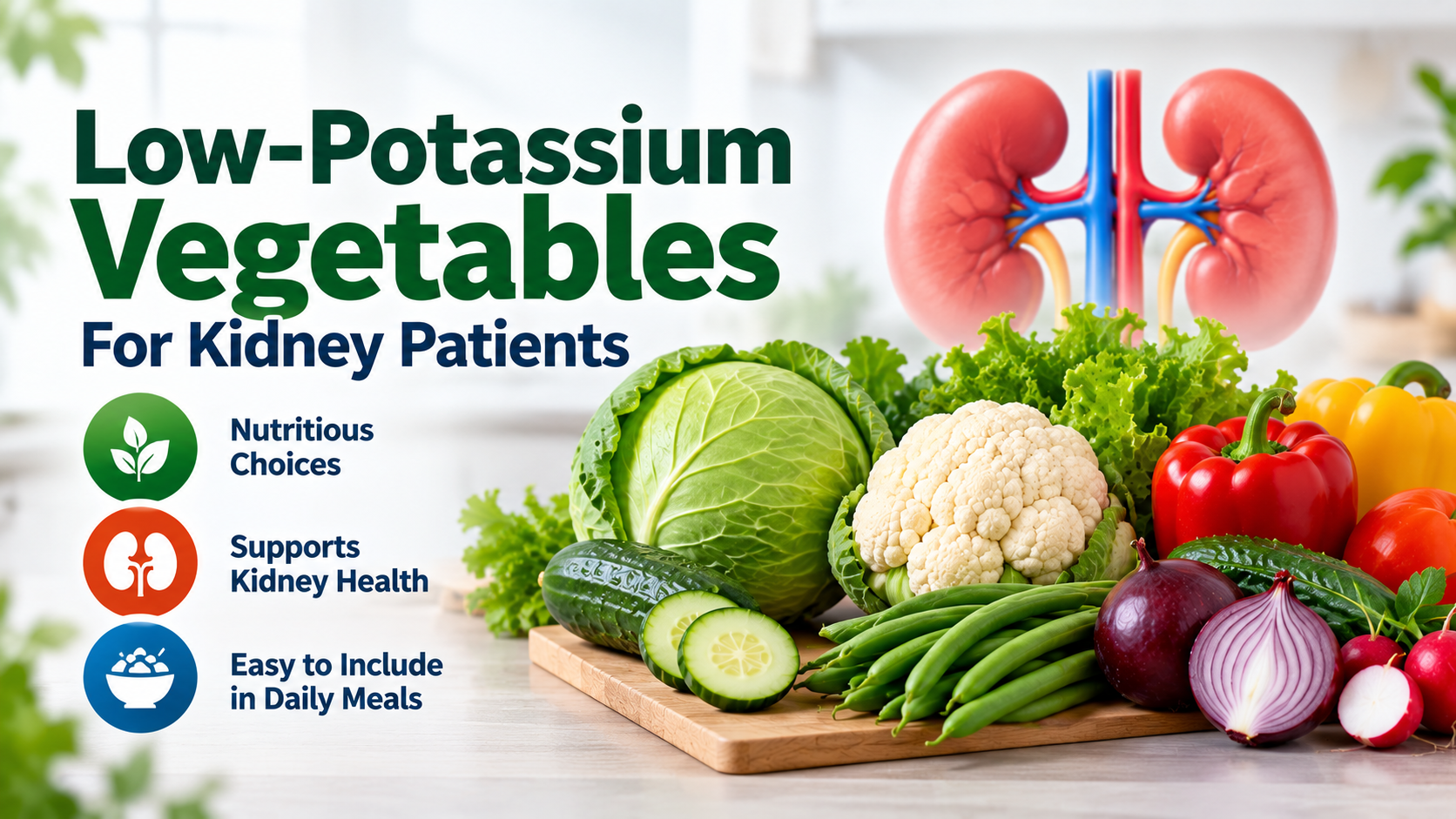
Low-Potassium Vegetables
Vegetables provide important vitamins and fiber. Some options that are generally lower in potassium include:
Cabbage
Cauliflower
Cucumber
Lettuce
Onions
Bell peppers
Green beans
Radish
Depending on your potassium restriction, these vegetables can be included in salads, soups, or cooked meals.
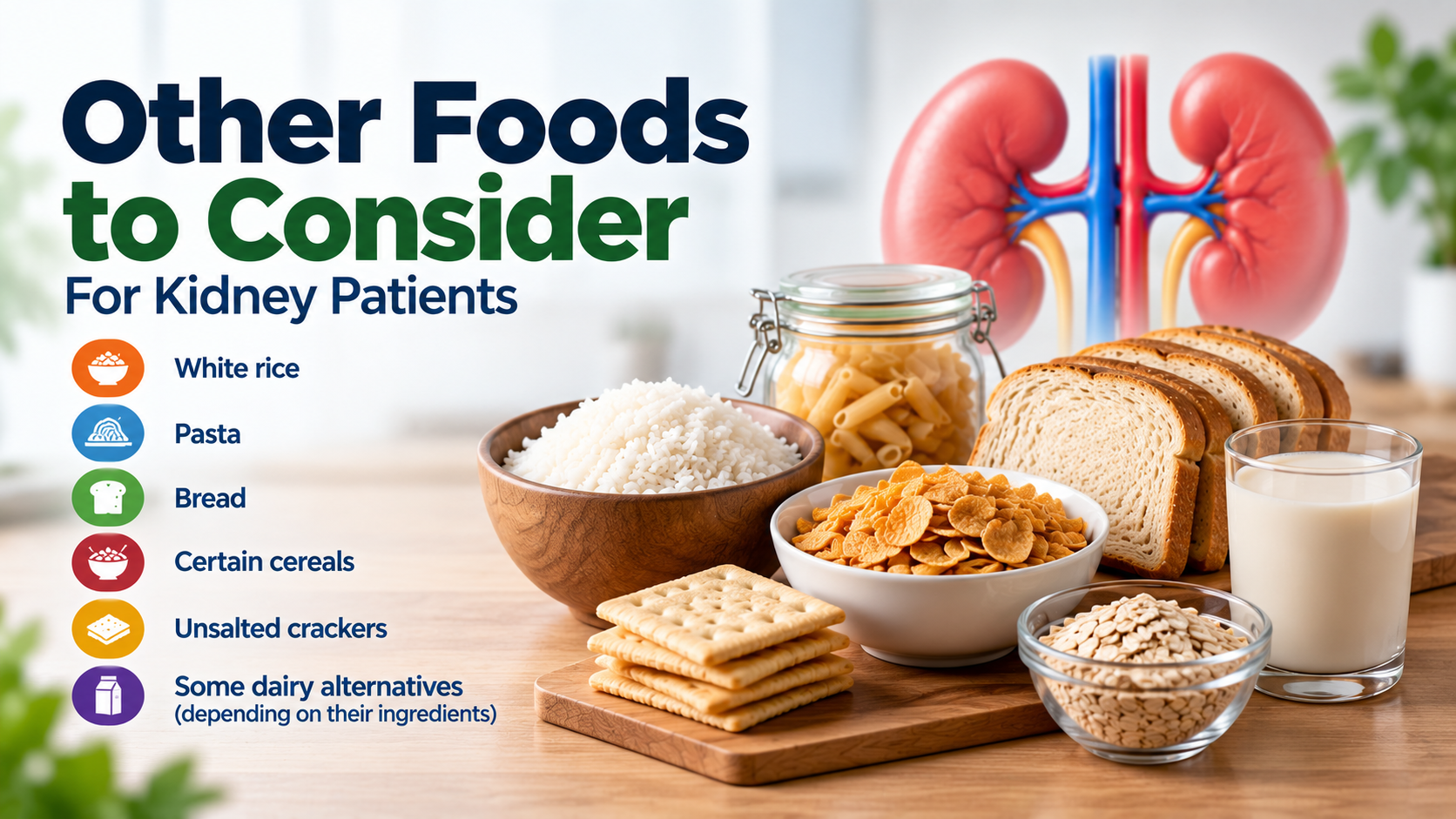
Other Foods to Consider
Some everyday foods can also fit into a lower-potassium meal plan, such as:
White rice
Pasta
Bread
Certain cereals
Unsalted crackers
Some dairy alternatives, depending on their ingredients
Always check food labels because potassium content can vary between products.
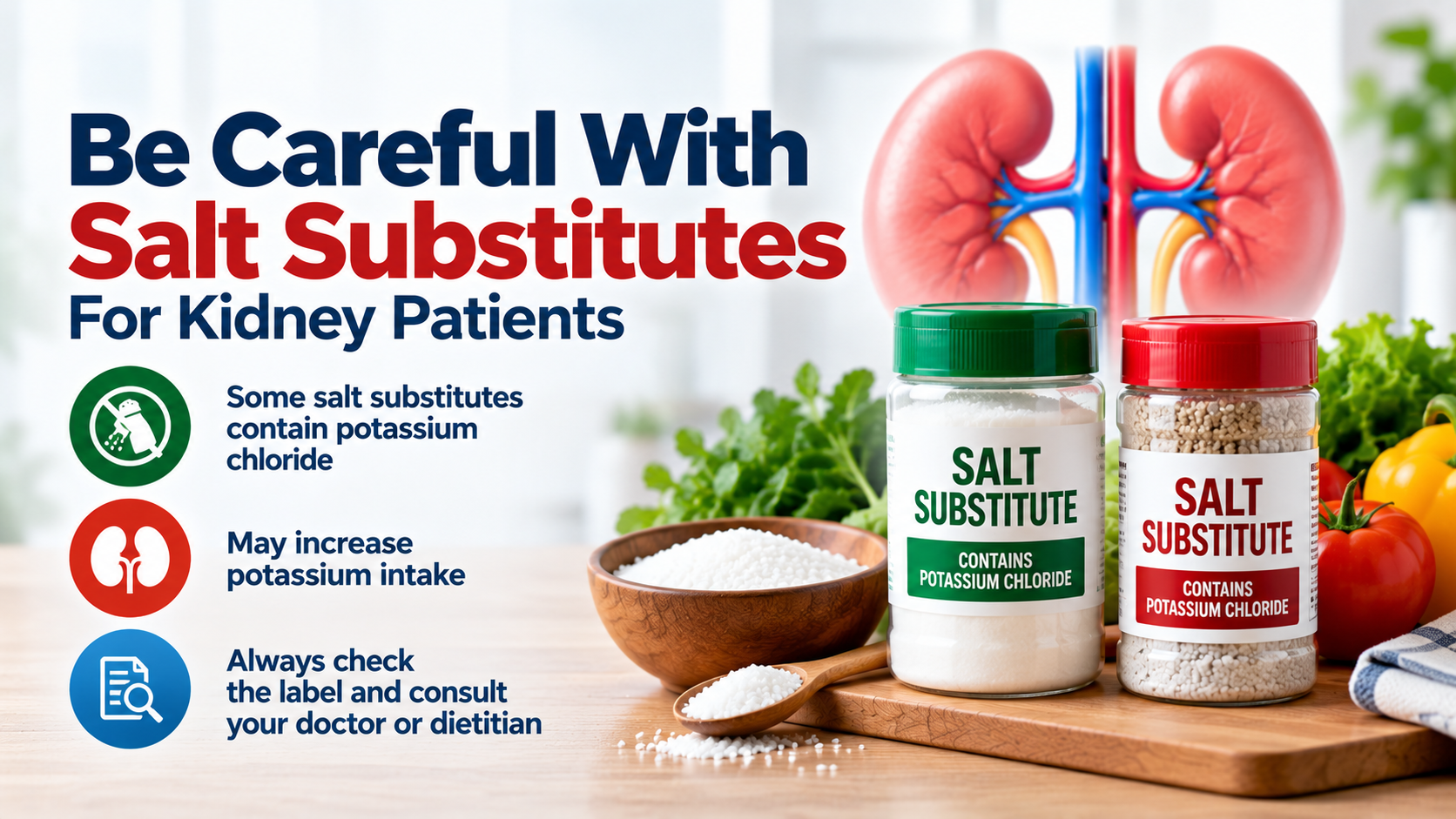
Be Careful With Salt Substitutes
Many people use salt substitutes to reduce sodium. However, some salt substitutes contain potassium chloride. For someone who needs to limit potassium, these products may increase potassium intake.
Always check the label and ask your doctor or dietitian before using a salt substitute.
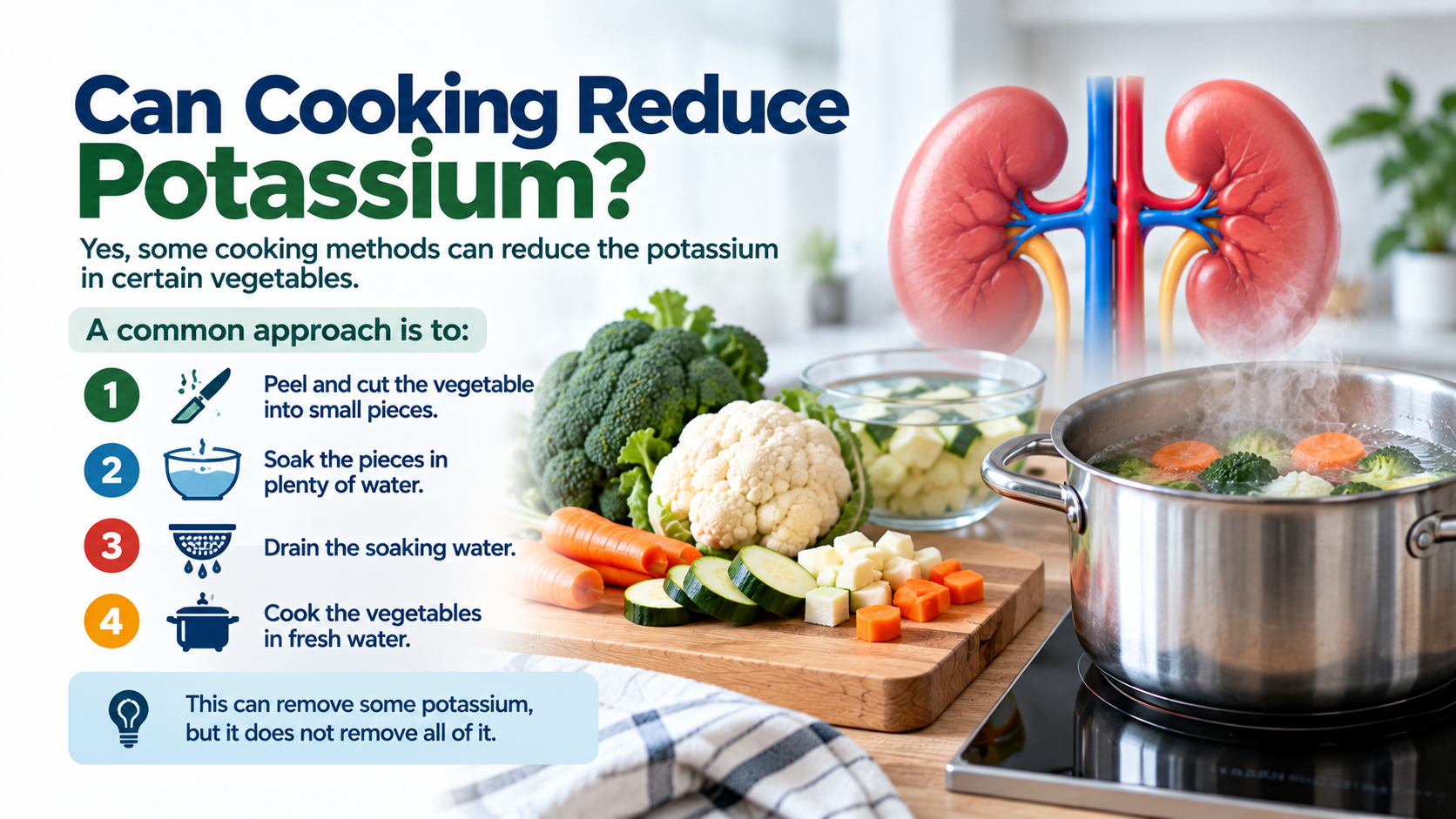
Can Cooking Reduce Potassium?
Yes, some cooking methods can reduce the potassium in certain vegetables. One method is called leaching.
A common approach is to:
Peel and cut the vegetable into small pieces.
Soak the pieces in plenty of water.
Drain the soaking water.
Cook the vegetables in fresh water.
This can remove some potassium, but it does not remove all of it.
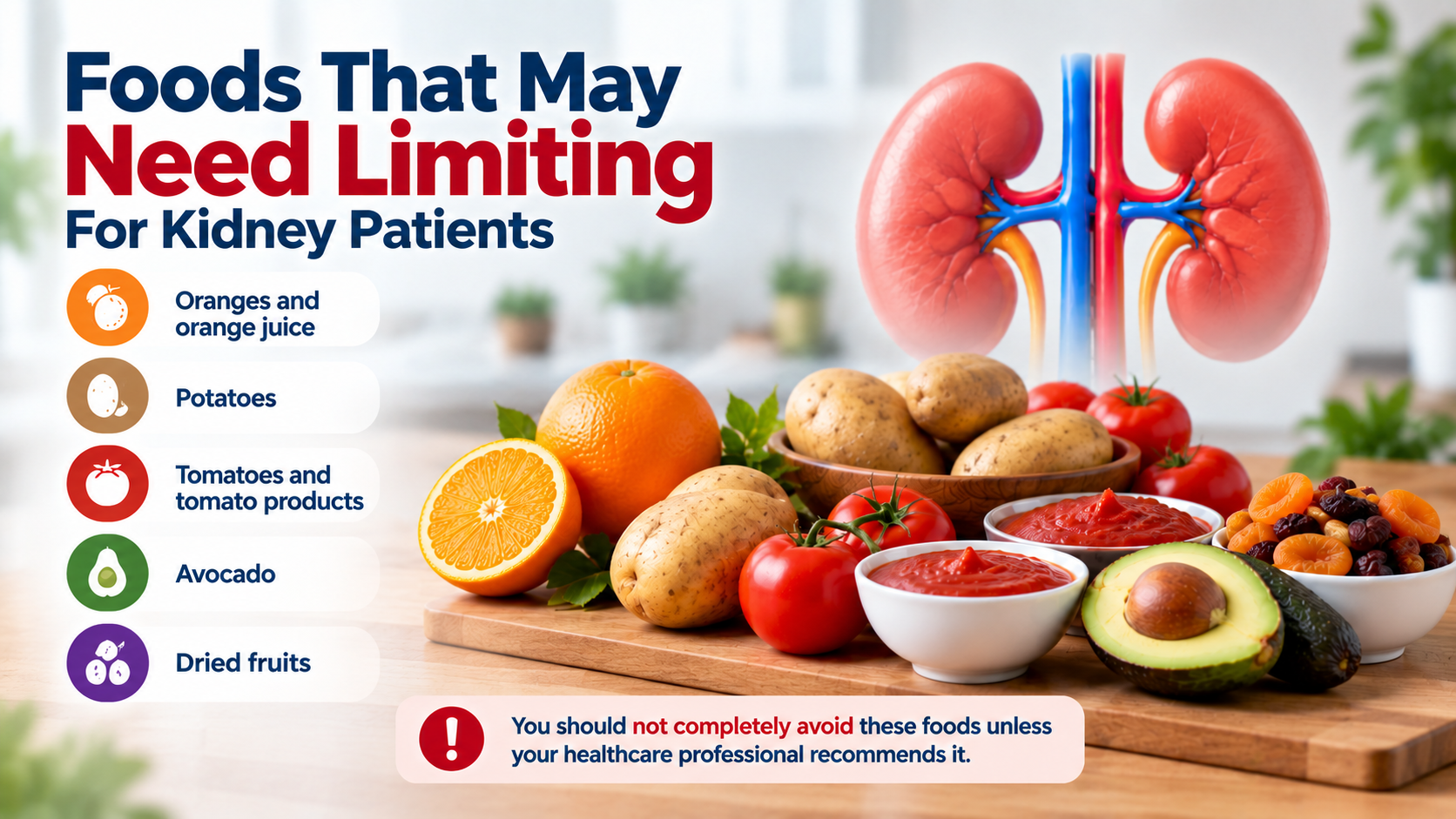
Foods That May Need Limiting
Depending on your individual potassium level, your healthcare provider may ask you to limit foods such as:
Oranges and orange juice
Potatoes
Tomatoes and tomato products
Avocado
Dried fruits
You should not completely avoid these foods unless your healthcare professional recommends it.
Final Thoughts
Managing potassium does not mean giving up good food. The right choices, suitable portions, and proper cooking methods can help you maintain a balanced diet.
Most importantly, every kidney patient has different nutritional needs. Your potassium limit should be based on your kidney function, blood test results, medications, and advice from your healthcare team. A renal dietitian can help create a meal plan that is safe and practical for you.
If you have kidney disease, speak with your doctor or renal dietitian before making major changes to your diet.